Blog

The Complete Bridal Jewelry Checklist: What Every Bride Needs

Blog

The Complete Bridal Jewelry Checklist: What Every Bride Needs

by Mousumi Saha on Nov 15 2026
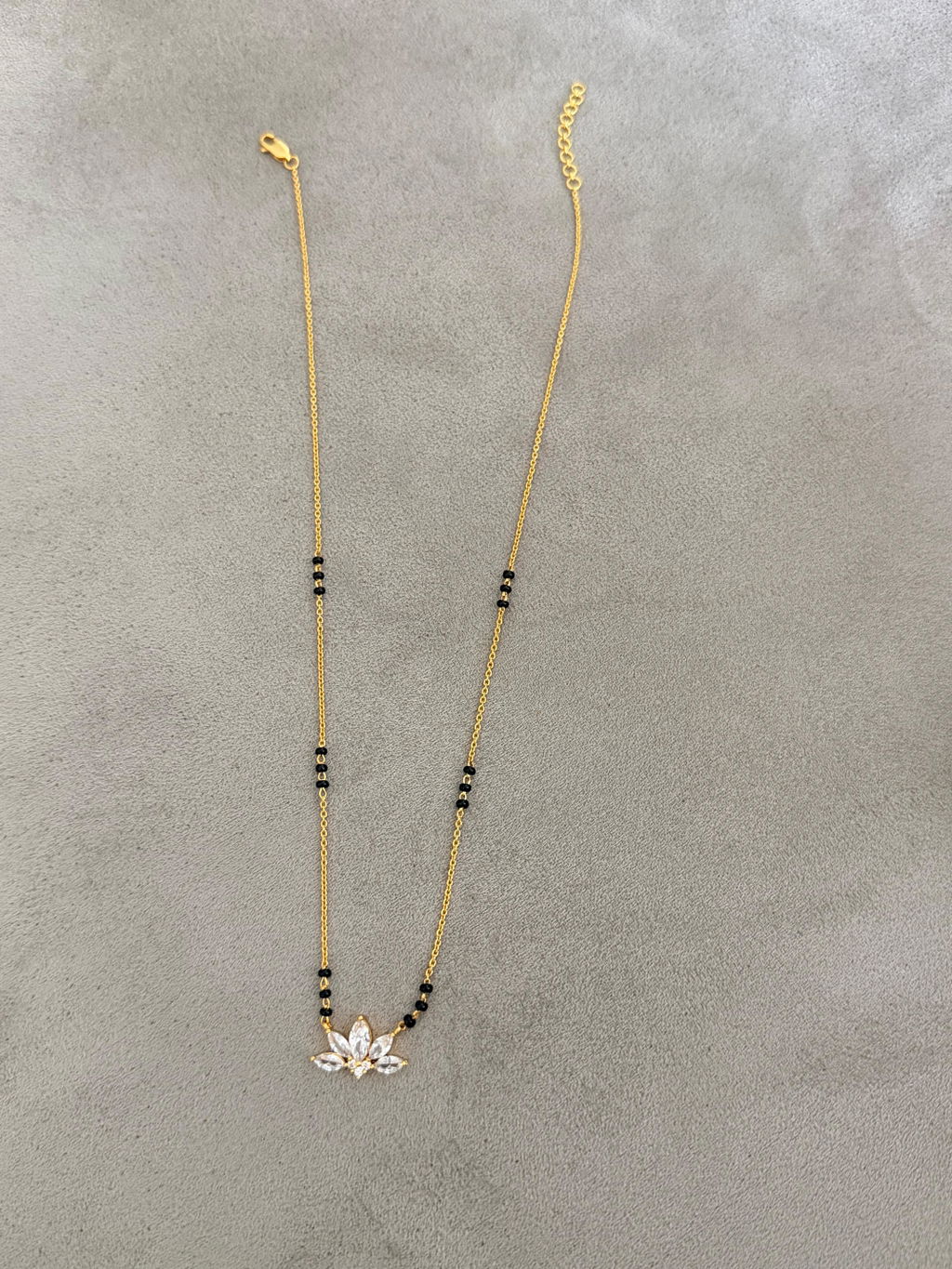
Planning your wedding jewelry can feel just as exciting as choosing your wedding outfit. From statement necklaces and traditional earrings to delicate anklets and maang tikka, the right pieces bring your bridal look together. This complete bridal jewelry checklist covers the essential pieces, styling tips, and shopping advice to help you prepare for every wedding function without missing a thing.  Why Does Every Bride Need a Bridal Jewelry Checklist?  Wedding jewelry does more than complement your bridal outfit. It adds personality, highlights traditional details, and helps you create a look that feels complete.  Indian weddings often include several ceremonies, and each occasion calls for a different jewelry style. You might choose elaborate temple jewelry for the wedding ceremony, lightweight floral designs for the mehendi, and elegant diamond-look pieces for the reception.  A bridal jewelry checklist helps you:  Identify essential jewelry pieces before you start shopping.  Match necklaces, earrings, and accessories with your bridal outfits.  Avoid buying duplicate designs that serve the same purpose.  Balance statement jewelry with comfortable everyday pieces.  Set a realistic jewelry budget before your wedding.  You do not need to buy every traditional jewelry piece. Focus on your wedding outfits, personal style, cultural traditions, and comfort when building your collection.  The Complete Indian Bridal Jewelry Checklist  Here is a head-to-toe breakdown of the jewelry pieces you can consider for your wedding celebrations.  1. Bridal Necklace Set  A bridal necklace usually becomes the centrepiece of your wedding jewelry. It frames your neckline, complements your blouse design, and brings attention to your overall bridal look.  Consider adding these necklace styles to your collection:  Choker necklace: A close-fitting necklace that works beautifully with deep-neck blouses and traditional silk sarees.  Long haram: A long necklace that adds dimension to layered bridal jewelry.  Temple necklace: A traditional design featuring motifs of Lakshmi, peacocks, and other cultural elements.  Kundan necklace: A statement piece that complements lehengas, sarees, and embroidered bridal outfits.  Antique necklace: A vintage-inspired design that adds an old-world touch to traditional wedding attire.  Styling tip: Pair a choker with a long haram if your blouse and neckline allow enough space. Choose necklaces with different lengths to create a balanced layered look.                                                                                                2. Bridal Earrings  Earrings frame your face and complement your hairstyle. They also help connect your necklace design with the rest of your bridal jewelry.  Popular bridal earring styles include:  Jhumkas: Traditional bell-shaped earrings that pair well with silk sarees and temple jewelry.  Chandbalis: Crescent-shaped earrings that complement lehengas and festive bridal outfits.  Kundan earrings: Elegant statement pieces that work with embellished wedding attire.  Temple earrings: Traditional designs with deity motifs, floral patterns, and intricate detailing.  Ear chains: Decorative chains that connect your earrings to your hair or braid.  Styling tip: Choose statement jhumkas when you wear a simple necklace. If your necklace already has elaborate detailing, opt for medium-sized earrings to avoid an overcrowded look.                                                                                                           3. Maang Tikka or Matha Patti  A maang tikka adds a traditional finishing touch to your bridal hairstyle. It draws attention to your forehead and creates a balanced look with your earrings and necklace.  You can choose from:  Maang tikka: A single decorative pendant that sits at the centre of your forehead.  Matha patti: A broader forehead ornament with decorative chains along the hairline.  Borla: A rounded forehead ornament popular in Rajasthani bridal jewelry.  Passa: A side-swept ornament that creates a distinctive look for traditional and Mughal-inspired bridal outfits.  Styling tip: Match the stonework or metal finish of your maang tikka with your earrings. Secure the chain with discreet hairpins so the ornament stays in place throughout the ceremony.  4. Bridal Nath or Nose Ring  A bridal nath brings cultural character to your wedding look. Different Indian regions feature different nose ring designs, from oversized Maharashtrian naths to delicate gold nose pins.  Popular options include:  Traditional gold nath  Kundan nose ring  Pearl-studded nath  Maharashtrian nath  Delicate bridal nose pin  Styling tip: Choose a larger nath for a traditional wedding ceremony if you feel comfortable wearing one. A smaller nose ring works well for your engagement, reception, and pre-wedding functions.                                                                                                            5. Bridal Bangles and Kadas  Bangles hold cultural and emotional significance in many Indian wedding traditions. They also add colour and detail to your hands.  Include these styles in your bridal jewelry checklist:  Chooda: Traditional red and ivory bridal bangles associated with Punjabi weddings.  Kadas: Thick statement bangles that add structure to your wrist styling.  Temple bangles: Traditional gold-tone designs with intricate motifs.  CZ bangles: Decorative pieces that complement embellished bridal outfits.  Vanki: Traditional armlet-style jewelry worn on the upper arm in South Indian bridal looks.  Styling tip: Combine slim bangles with one or two statement kadas to create a layered appearance. Match your bangle colours with your lehenga, saree, or wedding chooda.                                                                                                                                   6. Mangalsutra or Thali Chain  The mangalsutra or thali chain represents marriage in many Indian communities. Its design and wearing customs vary across regions and families.  Some popular styles include:  Traditional black-bead mangalsutra  Gold pendant mangalsutra  Diamond-look mangalsutra  South Indian thali chain  Minimal everyday mangalsutra  Styling tip: Discuss the design with your family and partner before purchasing. Choose a style that respects your wedding traditions and feels comfortable enough for regular wear.                                                                                            7. Waist Belt or Kamarbandh  A kamarbandh, also known as a vaddanam in South Indian bridal jewelry, sits around your waist and adds definition to your saree or lehenga.  You can explore:  Traditional temple waist belts  Lakshmi motif vaddanams  Kundan waist belts  Antique gold kamarbandhs  Lightweight decorative waist chains  Styling tip: A statement vaddanam pairs beautifully with Kanjeevaram sarees and traditional bridal lehengas. Choose a lightweight design if you plan to wear it for several hours.  8. Bridal Anklets or Payal  Anklets add a delicate finishing detail to your bridal look. They work particularly well with sarees and lehengas that reveal your ankles.  Consider these designs:  Traditional silver payal  Gold-tone anklets  Pearl-detail anklets  Stone-studded bridal anklets  Delicate chain anklets  Styling tip: Choose anklets  that sit comfortably around your ankles. Avoid heavy designs that catch on your footwear or bridal outfit.  9. Toe Rings or Bichiya  Toe rings form an important part of bridal adornment in several Indian communities. Brides often wear them as part of traditional post-wedding customs.  You can choose simple silver toe rings, decorative stone-studded designs, or traditional pairs with intricate detailing.  Styling tip: Prioritise fit over appearance. Your toe rings should sit comfortably without restricting movement or causing discomfort.  10. Hair Accessories and Bridal Ornaments  Your hairstyle deserves attention when you plan your bridal jewelry. Traditional hair ornaments can make a simple bun or braid look more elaborate.  Popular choices include:  Jada billalu: Decorative ornaments arranged along a bridal braid.  Jada nagam: A traditional serpent-inspired braid ornament.  Juda pins: Decorative accessories that embellish a bridal bun.  Floral hair accessories: Fresh flowers or jewelry-inspired floral pieces.  Hair chains: Delicate chains that complement a maang tikka or matha patti.  Styling tip: Coordinate your hair accessories with your maang tikka and earrings. Avoid adding too many heavy ornaments if your hairstyle already features elaborate detailing.  11. Bridal Rings and Hand Jewelry  Your hands feature prominently in wedding photographs, especially during the mehendi and ring ceremonies. The right  accessories  add detail without taking attention away from your engagement or wedding ring.  Add these pieces to your checklist:  Engagement ring  Wedding band  Statement cocktail ring  Hathphool or haath panja  Traditional finger rings  Styling tip: Wear a hathphool with simple bangles if you want the hand ornament to stand out. Keep your other rings minimal to avoid a crowded appearance.  12. Bridal Armlets or Vanki  A vanki, also known as an armlet, adds a traditional touch to South Indian bridal attire. Its distinctive V-shaped design sits on the upper arm and complements temple necklaces, bangles, and traditional silk sarees.  Popular bridal armlet designs include:  Gold temple vanki  Lakshmi motif armlets  Kundan armlets  Antique gold armlets  Stone-studded armlets  Styling tip: Wear a vanki with a sleeveless or short-sleeved blouse to highlight its design. Check the fit before your wedding day so the armlet stays comfortable throughout the ceremony.  13. Bridal Brooches and Saree Pins  A decorative brooch  or saree pin adds a finishing detail to your bridal outfit. It also helps secure your saree pallu and keeps the drape in place.  You can explore traditional gold-tone brooches, pearl-studded pins, Kundan brooches, and temple-inspired designs.  Styling tip: Choose a brooch that complements your blouse embroidery or necklace detailing. A small, elegant design often works better than an oversized brooch when you already wear statement jewelry.  Which Bridal Jewelry Should You Wear for Each Wedding Function?  You do not need to wear the same jewelry for every wedding event. Plan your accessories around the outfit, ceremony, and overall mood of each occasion.  Wedding function  Recommended jewelry  Engagement  Kundan necklace, statement earrings, maang tikka, rings  Mehendi  Floral jewelry, lightweight earrings, delicate bangles  Haldi  Lightweight gold-tone jewelry, floral accessories  Sangeet  Chandbalis, statement necklace, cocktail rings  Wedding ceremony  Bridal necklace set, jhumkas, nath, bangles, maang tikka  Reception  Diamond-look necklace, elegant earrings, bracelets  Post-wedding celebrations  Minimal necklaces, earrings, mangalsutra or thali chain  A useful planning tip: Keep a separate jewelry pouch for each function. This makes outfit changes easier and helps you avoid last-minute confusion.  How Should You Choose Bridal Jewelry for Your Wedding?  Shopping for bridal jewelry becomes easier when you follow a clear plan. Instead of buying individual pieces without considering your outfits, build your collection around your wedding wardrobe.  1. Start With Your Wedding Outfits  Select your wedding saree, lehenga, and reception outfit before you finalise your jewelry. Pay attention to their colours, necklines, embroidery, and embellishments.  For example:  Red bridal lehengas pair beautifully with traditional gold and Kundan jewelry.  Pastel outfits complement pearls, CZ stones, and delicate gold-tone designs.  Kanjeevaram sarees look beautiful with traditional temple jewelry.  Ivory and champagne outfits work well with antique gold and understated statement pieces.  2. Consider Your Neckline  Your blouse neckline can influence the necklace style you choose.  Deep necklines offer space for elaborate chokers and layered necklaces.  High necklines often look better with long necklaces or statement earrings.  Sweetheart necklines pair well with shorter necklaces.  Boat neck blouses can create a balanced look with long harams and statement earrings.  3. Match Jewelry With Your Face Shape  Your earrings and forehead ornaments can change the overall balance of your bridal look.  Face shape  Earring styles to consider  Round  Long jhumkas and elongated drop earrings  Oval  Chandbalis, jhumkas, and most statement styles  Square  Rounded earrings and soft floral designs  Heart-shaped  Chandbalis and medium-length drop earrings  Long  Broad jhumkas and circular statement earrings  Use these suggestions as styling inspiration rather than strict rules. Choose earrings that make you feel confident and comfortable.  4. Set a Realistic Bridal Jewelry Budget  A wedding jewelry budget should cover your essential pieces first. Divide your budget into categories such as:  Main bridal necklace set  Earrings and forehead jewelry  Bangles and kadas  Traditional accessories  Jewelry for pre-wedding and post-wedding functions  You can spend more on versatile pieces that you plan to wear after your wedding. For occasional statement looks, consider affordable alternatives that complement your bridal outfits.  5. Prioritise Comfort and Fit  Heavy bridal jewelry can look beautiful in photographs but may feel uncomfortable during long ceremonies.  Check the following before purchasing:  Earring weight and back support  Necklace length and clasp security  Bangle size and wrist movement  Nath fitting and nose comfort  Kamarbandh adjustment  Anklet length and footwear compatibility  Try on your complete jewelry set with your wedding outfit before the final fitting.  Build Your Bridal Jewelry Collection with Timeless Pieces  Your bridal jewelry collection should reflect your personality, cultural traditions, and wedding style. You might prefer elaborate temple necklaces and traditional jhumkas, or you might feel more comfortable in delicate Kundan sets and lightweight statement earrings.  The goal is not to own every jewelry piece on this checklist. It is to select accessories that complement your outfits, suit your comfort, and hold meaning long after the wedding celebrations end.  Explore the bridal and traditional jewelry collections at Tarinika to find designs that bring together Indian craftsmanship, timeless motifs, and contemporary styling. From statement necklace sets to elegant earrings, choose pieces that you will enjoy wearing beyond your wedding day.  Frequently Asked Questions About Bridal Jewelry  1. What jewelry does an Indian bride need?  An Indian bride can consider a bridal necklace, earrings, maang tikka, nath, bangles, mangalsutra or thali chain, kamarbandh, anklets, toe rings, and hair accessories. The final selection depends on regional customs, wedding outfits, and personal preferences.  2. What are the most important bridal jewelry pieces?  The most important bridal jewelry pieces usually include a necklace set, earrings, maang tikka, bangles, and a nose ring. These accessories create a traditional bridal look. Brides can add armlets, waist belts, anklets, and hair accessories according to their preferences.  3. How many jewelry sets should a bride buy?  There’s no limit to the amount of bridal jewelry a bride can buy. However, a bride can rely on one statement piece of jewelry for her wedding and buy one or two other sets that she can wear on other occasions. Also, buying light-weight jewelry that can be worn with casual attire is also recommended.  4. Which jewelry is best for a traditional Indian wedding?  Temple jewelry, antique jewelry, Kundan jewelry sets, Polki jewelry and traditional jhumkas are some of the Jewelry pieces widely accepted and used in an Indian wedding. For South Indian weddings, most of the brides opt for a Lakshmi motif necklace and a long haram while for the North Indian weddings, Kundan and Polki Jewelry sets are widely preferred.  5. Should bridal jewelry match the wedding outfit?  Your bridal jewelry should complement your wedding outfit rather than match every detail exactly. Consider the outfit's colour, embroidery, neckline, and overall style. You can create a balanced look by combining similar tones with contrasting jewelry designs.  6. Is gold-plated jewelry suitable for a wedding?  Yes. Gold-plated jewelry is also affordable for the occasional use of a wedding function or to create a statement look. However, the finish can wear over time, especially with frequent exposure to moisture, sweat, and chemicals.  7. How can I make my bridal jewelry last longer?  Keep jewelry in good condition. Store all jewelry separately, wipe jewelry after each wear, and keep away from perfumes, water, etc. Try not to pull or stretch chain of delicate design. Getting loose stones, broken clasp or worn-out jewelry repaired by a professional jewelry repair person is recommended.  8. What jewelry should a bride wear for her reception?  Reception jewelry depends on the outfit and overall styling. Brides can choose diamond-look necklaces, elegant CZ earrings, delicate bracelets, cocktail rings, or lightweight statement sets. Choose accessories that complement your reception outfit without making the look feel too heavy.  9. Can I reuse my bridal jewelry after the wedding?  Yes! You can always re-style your bridal jewelry into various ethnic or festive wear. Choose versatile designs that work beyond the wedding celebrations when building your collection.  10. When should a bride start shopping for wedding jewelry?  It’s best to start shopping for your wedding jewelry three to six months prior to the wedding date. This allows enough time for comparing different jewelry pieces and accessories, coordinating them with your wedding outfit, checking the jewelry for proper sizing, and getting any custom jewelry pieces altered or repaired as needed. This is especially true for custom, temple or more traditional jewelry pieces.   
South Indian Bridal Jewelry: A Region-by-Region Guide

Blog

South Indian Bridal Jewelry: A Region-by-Region Guide

by Mousumi Saha on Nov 10 2026
Bridal jewelry in South India originates from four main South Indian regions of Tamil Nadu, Kerala, Karnataka and Andhra Pradesh-Telangana. Jewelry from Tamil Nadu like Manga Malai, jewelry from Kerala like Palakka Mala and from Karnataka like Kasina Sara are all distinct in terms of traditional names and designs that are specific to the region.  Introduction: What Makes South Indian Bridal Jewelry Unique?  Bridal jewelry of South India is full of heritage, tradition, temple architecture and craftsmanship of different regions. Brides often choose gold necklaces, elaborate earrings, waist belts, hair ornaments, and bangles to complement their wedding attire.  A specific design can be referred to in different ways in different regions. Many designs display variations such as motifs and use of materials specific to regions.  For example, a traditional necklace might feature mango motifs in one region and coin-shaped elements in another. A waist ornament might carry a different name depending on the local language and community.  A necklace for example could contain mango motifs in South India, while a coin-like design could be used in other regions. A waist ornament could be called by a different name in different languages of a region.  Understanding these names helps brides appreciate the jewelry beyond its appearance. It also makes it easier to identify traditional South Indian bridal jewelry when shopping for a wedding or building a bridal jewelry collection.  Let's explore the signature ornaments of each region and learn what makes them special.  1. Tamil Nadu: Temple Jewelry and Traditional Gold Ornaments  Tamil Nadu has a rich tradition of temple jewelry and intricate traditional designs. Many pieces feature Goddess Lakshmi and other sacred motifs inspired by temple architecture & Hindu mythology.  Tamil brides often pair elaborate necklaces with traditional silk Kanjeevaram sarees, statement earrings, and decorative waist belts.  Popular Tamil Nadu bridal jewelry names  1. Manga Malai (Mango Necklace)  Manga Malai is a traditional necklace that features mango-shaped motifs arranged along a gold chain. The Mango is a symbol of fertility, prosperity and abundance in Indian culture.  Brides often wear Manga Malai as a statement necklace with temple jewelry sets.  2. Kasu Malai (Gold Coin Necklace)  The Kasu Malai Necklace features gold coin shapes all linked together to form a beautiful necklace. In many designs you will find images of the Goddess Lakshmi or even traditional motifs on the coins.  This traditional heritage necklace can be worn as a way to add a touch of the temple to your outfit and will complement your silk saree beautifully.  3. Oddiyanam (Traditional Gold Waist Belt)  The traditional gold waist belt in Tamil Nadu is known as Oddiyanam. These have motifs of Lakshmi, peacocks, floral carvings etc.   Brides wear Oddiyanam with silk sarees to define the waist and complete a traditional bridal look.  4. Vanki (Armlet)  Vanki – Armlets: Typically, an inverted ‘V’ shaped ornament made of gold and embedded with precious stones.   Brides wear Vanki on the upper arm to add some structure to the often sleeveless or short-sleeved bridal blouses that Tamil brides wear with their silk sarees.  5. Nethi Chutti (Forehead Ornament)  Nethi Chutti is a traditional forehead ornament worn by the bride on her forehead. It often features a central pendant with decorative chains or additional side elements.  Brides pair it with earrings and necklaces to create a balanced traditional look.  6. Jimikki (Traditional Bell-Shaped Earrings)  Jimikki is a traditional bell-shaped earring. The small bells are made of gold, pearls or stones that dangle from the ears of the bride giving a ‘jingle’ sound as she walks.  What makes Tamil Nadu bridal jewelry special?  Tamil Nadu jewelry often combines temple-inspired motifs with traditional gold craftsmanship. Lakshmi pendants, mango patterns, coin necklaces, and elaborate waist belts remain popular choices for traditional bridal looks.                                                                                       2. Kerala: Elegant Gold Jewelry and Distinctive Necklace Designs  Kerala bridal jewelry stands out for its elegant gold designs, detailed necklaces, and traditional motifs. Brides often wear multiple gold necklaces with a Kasavu saree or a richly decorated bridal saree.  Kerala jewelry includes several distinctive necklace styles that take inspiration from nature, flowers, leaves, and traditional symbols.  Popular Kerala bridal jewelry names  1. Palakka Mala (Leaf-Shaped Necklace)  Palakka Mala features green, leaf-shaped stones set within gold frames. The repeating leaf motifs create a distinctive necklace pattern.  This necklace adds colour to traditional bridal outfits and often pairs beautifully with simple gold chains.  2. Mullamottu Mala (Jasmine Bud Necklace)  Mullamottu Mala takes inspiration from unopened jasmine buds. The necklace features small, elongated gold elements arranged in repeating patterns.  Its delicate floral appearance makes it a popular choice for brides who prefer traditional gold jewelry with subtle detailing.  3. Nagapada Thali (Snake-Hood Pendant Necklace)  Nagapada Thali features a pendant design inspired by the hood of a serpent. The traditional ornament holds cultural significance in Kerala and appears in different regional and community variations.  Some designs feature elaborate goldwork and decorative stone settings.  4. Kasu Mala (Coin Necklace)  Kerala's Kasu Mala features gold coin-shaped elements arranged in a necklace. Some versions carry traditional deity motifs, while others feature plain decorative coins.  Brides often layer this necklace with longer gold chains for a fuller bridal appearance.  5. Poothali (Floral Gold Necklace)  Poothali is a traditional Kerala necklace associated with floral-inspired gold designs. Its detailing and construction can vary across communities and jewelry makers.  6. Thalelam (Traditional Hair Ornament)  Traditional Kerala bridal hair ornaments include decorative pieces that complement the bun or braid. Regional naming can vary, so brides should check the specific design and local terminology when shopping.  What makes Kerala bridal jewelry special?  Kerala jewelry often highlights gold craftsmanship through floral patterns, leaf motifs, coin necklaces, and traditional pendants. Brides can combine these pieces to create a layered look without relying on oversized statement ornaments.                                                                                                                   3. Karnataka: Traditional Kasina Sara and Temple-Inspired Jewelry  Karnataka has a diverse jewelry heritage influenced by its regional communities, temple traditions, and historic gold craftsmanship. Traditional Kannada bridal jewelry often features coin necklaces, temple pendants, gemstone detailing, and elaborate gold ornaments.  Brides commonly pair these pieces with Mysore silk sarees, Kanjeevaram sarees, and other traditional wedding attire.  Popular Karnataka bridal jewelry names  1. Kasina Sara (Coin Necklace)  Kasina Sara is a traditional necklace made with multiple coin-shaped gold elements. The coins create a repeating pattern that gives the necklace a rich, traditional appearance.  Brides often choose this necklace for its heritage-inspired design and versatility.  2. Laxmi Haar (Goddess Lakshmi Necklace)  Laxmi Haar features a prominent Goddess Lakshmi pendant or a series of Lakshmi motifs along the necklace. The goddess represents wealth, prosperity, and good fortune.  This necklace works especially well with traditional silk sarees and temple-inspired bridal outfits.  3. Addigai (Choker Necklace)  Addigai refers to a traditional close-fitting necklace or choker in South Indian jewelry traditions. Designs may feature gemstones, floral motifs, or intricate gold detailing.  Brides often pair an Addigai with longer necklaces to create a layered bridal look.  4. Bugadi (Ear Cuff Ornament)  Bugadi is a traditional ear ornament associated with Karnataka and other South Indian jewelry traditions. It decorates the upper ear and often features gold detailing or gemstones.  Brides can pair it with traditional earrings for a more elaborate look.  5. Tholu Bandhi (Armlet)  Tholu Bandhi is a traditional arm ornament worn on the upper arm. Some designs feature intricate gold patterns, floral motifs, or gemstone settings.  It adds another layer of traditional detail to bridal jewelry.  6. Vanki (Armlet)  Vanki also appears in Karnataka jewelry traditions. Its distinctive angular shape makes it a recognisable ornament across several South Indian bridal styles.  What makes Karnataka bridal jewelry special?  Karnataka bridal jewelry combines traditional goldwork with temple-inspired designs and regional craftsmanship. Kasina Sara, Laxmi Haar, and Addigai help brides create a rich, layered appearance while retaining a traditional aesthetic.                                                                                                               4. Andhra Pradesh and Telangana: Nakshi Work and Elaborate Bridal Ornaments  Andhra Pradesh and Telangana have a rich tradition of gold jewelry, intricate nakshi work, pearl ornaments, and elaborate bridal accessories. Telugu brides often combine traditional necklaces with statement earrings, decorative waist belts, and detailed hair ornaments.  Nakshi craftsmanship plays an important role in this jewelry tradition. Artisans use detailed gold carvings to create designs inspired by Hindu deities, flowers, and traditional patterns.  Popular Andhra Pradesh and Telangana bridal jewelry names  1. Guttapusalu (Pearl-Drop Necklace)  Guttapusalu is a traditional necklace featuring clusters of small pearl-like beads arranged in decorative patterns. The name refers to the clustered appearance of its beads.  This necklace adds texture and movement to bridal outfits. Brides often pair it with shorter temple necklaces for a layered appearance.  2. Kasulaperu (Coin Necklace)  Kasulaperu is a traditional Telugu coin necklace that features several small gold coins arranged along a chain. Some designs include Goddess Lakshmi motifs.  It shares similarities with the Kasu Mala found in other South Indian jewelry traditions, although the designs and local names can differ.   3. Vaddanam (Gold Waist Belt)  Vaddanam is a traditional gold waist belt that sits around the waist. Bridal designs often feature Goddess Lakshmi, peacocks, floral patterns, and intricate nakshi work.  Telugu brides frequently wear Vaddanam with silk sarees to complete their traditional wedding look.  4. Aravanki (Armlet)  Aravanki is a traditional upper-arm ornament that resembles the Vanki worn in other South Indian regions. It often features intricate gold detailing and decorative motifs.  This ornament adds a traditional finishing touch to sleeveless or short-sleeved bridal blouses.  5. Jada Billai (Braid Ornament)  Jada Billai refers to decorative ornaments that brides attach along their hair braid. Traditional designs feature circular gold pieces, floral details, and temple-inspired motifs.  Brides often combine these ornaments with fresh jasmine flowers to create an elaborate bridal hairstyle.  6. Papidi Billa (Hair Parting Ornament)  Papidi Billa is a traditional Telugu hair ornament that decorates the centre hair parting. It often features a decorative pendant or gemstone detailing.  Brides pair it with matching earrings and other forehead ornaments to create a coordinated look.  7. Buttalu (Traditional Earrings)  Buttalu refers to traditional Telugu earrings, including designs with elaborate goldwork and decorative elements. The exact style varies across communities and jewelry traditions.  What makes Andhra Pradesh and Telangana bridal jewelry special?  These regions combine traditional gold craftsmanship with detailed nakshi work, pearl-inspired designs, and temple motifs. Guttapusalu, Vaddanam, Kasulaperu, and Jada Billai represent some of the most recognisable elements of Telugu bridal jewelry.                                                                                                        5. South Indian Bridal Jewelry Glossary: 25 Traditional Names Every Bride Should Know  Different South Indian communities use different names for necklaces, earrings, hair ornaments, and other bridal accessories. This quick-reference glossary helps readers identify popular traditional jewelry pieces and understand their purpose.  Jewelry name  Region or association  What it means  Manga Malai  Tamil Nadu  Mango-motif necklace  Kasu Malai  Tamil Nadu, Kerala  Gold coin necklace  Oddiyanam  Tamil Nadu  Traditional waist belt  Vanki  Tamil Nadu, Karnataka  V-shaped upper-arm ornament  Nethi Chutti  Tamil Nadu  Forehead ornament  Jimikki  Tamil Nadu  Bell-shaped earrings  Jadai Billai  Tamil Nadu, Andhra Pradesh  Decorative braid ornament  Palakka Mala  Kerala  Leaf-motif necklace  Mullamottu Mala  Kerala  Jasmine-bud-inspired necklace  Nagapada Thali  Kerala  Serpent-hood-inspired pendant  Thushi  Kerala  Close-fitting gold-bead choker  Mohan Mala  Kerala  Traditional gold-bead necklace  Kasina Sara  Karnataka  Coin necklace  Akki Sara  Karnataka  Rice-grain-inspired necklace  Mallige Sara  Karnataka  Jasmine-inspired necklace  Addigai  Tamil Nadu and neighbouring traditions  Close-fitting necklace  Bugadi  Karnataka  Upper-ear ornament  Tholu Bandhi  Karnataka  Upper-arm ornament  Guttapusalu  Andhra Pradesh, Telangana  Clustered pearl-style necklace  Kasulaperu  Andhra Pradesh  Gold coin necklace  Vaddanam  Andhra Pradesh, Telangana  Gold waist belt  Aravanki  Andhra Pradesh  Upper-arm ornament  Jada Billai  Andhra Pradesh, Tamil Nadu  Braid ornament  Papidi Billa  Andhra Pradesh, Telangana  Centre hair-parting ornament  Nakshi Haram  Andhra Pradesh  Necklace with detailed engraved motifs  Note: Regional associations in this table are broad, not exclusive. Some jewelry names overlap across states, and individual communities may use different spellings or names for similar designs. For example, Oddiyanam and Vaddanam describe closely related waist ornaments, while Kasu Malai and Kasulaperu refer to regional forms of coin necklaces.   6. Frequently Asked Questions About South Indian Bridal Jewelry  What are the most popular South Indian bridal jewelry pieces?  Some popular South Indian bridal jewelry pieces include Manga Malai, Kasu Malai, Oddiyanam, Vanki, Guttapusalu, Palakka Mala, Kasina Sara, and Vaddanam. Brides choose these ornaments based on their regional traditions, wedding attire, and personal preferences.  What is the traditional necklace worn by Tamil brides called?  For a Tamil Bride, there are several necklaces that she can wear. Some of the most common are Manga Malai, Kasu Malai or Lakshmi Haram or Muthu Haram. These necklaces feature mango motifs, gold coins, deity pendants, and pearl designs  What is a Kerala Palakka Mala?  Palakka Mala is a traditional neck piece which is worn by brides from Kerala. These ornaments have green leaf shaped elements arranged in gold settings.   What is the difference between Kasu Malai and Kasulaperu?  Both are traditional coin necklaces. Kasu Malai is commonly associated with Tamil Nadu and Kerala, while Kasulaperu is associated with Andhra Pradesh. Their designs may look similar but regional craftsmanship and terminology can differ.  What is an Oddiyanam called in Telugu?  Telugu-speaking communities commonly call the traditional bridal waist belt Vaddanam. Tamil Nadu uses the name Oddiyanam for a similar ornament.  What is a Vanki in South Indian bridal jewelry?  Vanki is a type of South Indian bridal accessory worn by the bride above the elbow. Traditionally the Vanki has an inverted V-Shaped design of gold and studded with gemstones and temple motifs.  What is Guttapusalu jewelry?  Guttapusalu is another necklace type that is styled in the weddings of Andhra Pradesh and Telangana brides. It consists of small pearl beads arranged in decorative patterns, often with gold detailing.  What jewelry do South Indian brides wear with Kanjeevaram sarees?  Most South Indian brides would pair their Kanjeevaram sarees with temple necklaces, Kasu Malai or Manga Malai, Vanki (armlet), Oddiyanam (waistbelt), Jimikki (earrings) or Nethi Chutti. However, this can differ from region to region depending on the family customs of the bride.  What is the traditional hair ornament worn by South Indian brides?  Jadai Nagam or Jada Billai is the major hair ornament for South Indian brides. These ornaments often feature gold designs inspired by serpents, flowers, and temple motifs. Brides may also decorate their braids with jasmine flowers.  Do all South Indian brides wear the same jewelry?  There is a lot of variation within South India, even within a state. In addition to the many designs found within Tamil Nadu, Kerala, Karnataka, Andhra Pradesh and Telangana, there are also many variations within each region. These are influenced by family tradition, personal preference and individual custom.  Conclusion: Celebrate the Diversity of South Indian Bridal Jewelry  South Indian bridal jewelry is beyond the decorative gold necklaces. Every piece carries a connection to regional craftsmanship and cultural traditions.  Jewelry designs like the mango motifs of Manga Malai and the clustered beads of Guttapusalu give South Indian bridal styling its distinctive character.  Knowing the names of traditional jewelry pieces enables the bride to choose her preferred jewelry and appreciate the beautiful craftsmanship that has been developed centuries ago. You may choose an elaborate temple jewelry set or a minimal coin necklace. It is assured to create a bridal look that celebrates your roots and personal style.  At Tarinika, we celebrate the beauty of traditional Indian jewelry through designs that bring heritage craftsmanship into modern wardrobes. Explore our collection of traditional Indian jewelry and find pieces that complement your special occasions. 
Last-Minute Diwali Jewelry Shopping: Best Picks That Arrive on Time

Blog

Last-Minute Diwali Jewelry Shopping: Best Picks That Arrive on Time

by Mousumi Saha on Nov 05 2026
Diwali shopping can get hectic when the celebrations are just around the corner. If you still need jewelry for puja, family gatherings, or festive parties, focus on ready-to-ship Indian jewelry, versatile designs, and reliable delivery timelines. Temple earrings, Kundan sets, chandbalis, and lightweight necklaces can help you complete your festive look without rushing into the wrong purchase.  Why Should You Choose Your Diwali Jewelry Carefully at the Last Minute?  Last-minute jewelry shopping often comes down to two things: finding a design you love and making sure it reaches you before Diwali. A beautiful necklace means little if it arrives after your family celebration or festive party.  Start by checking the product's dispatch timeline, delivery estimate, and availability. Ready-to-ship jewelry usually offers a more practical option than made-to-order designs because the seller can process the order without waiting for additional production.  Before you place an order, consider these points:  Check stock availability: Look for designs that are currently in stock and ready to ship.  Confirm the delivery date: Check the estimated arrival date for your PIN code or ZIP code.  Choose versatile designs: Pick jewelry that works with more than one festive outfit.  Read product descriptions: Check the materials, dimensions, closures, and care instructions.  Review the return policy: Understand the return window before purchasing.  A little planning can help you avoid unnecessary stress and find jewelry that you can wear throughout the festive season.  Which Jewelry Pieces Should You Buy for Last-Minute Diwali Shopping?  You don't need an elaborate jewelry collection to create a festive look. A few well-chosen pieces can complement sarees, lehengas, anarkalis, and even contemporary fusion outfits.  Here are some Indian jewelry styles worth considering when you shop close to Diwali.  1. Temple Jewelry for Traditional Diwali Celebrations  Temple jewelry makes a beautiful choice for women who enjoy traditional Indian outfits. Its intricate motifs, goddess-inspired designs, and antique gold finishes complement silk sarees, Kanjivaram sarees, and traditional lehengas.  You can choose a Lakshmi necklace set for Diwali puja or pair temple jhumkas with a simple silk saree.  Why buy it?  Temple jewelry adds a traditional touch to festive outfits.  You can reuse the pieces for weddings, religious ceremonies, and family celebrations.  Statement temple designs can make a simple outfit look more elaborate.  Style tip: Pair a traditional temple necklace with matching earrings and a silk saree. Keep your other accessories minimal to let the jewelry stand out.                                                                                 2. Kundan Jewelry for Festive Parties  Kundan jewelry brings a rich, dressed-up look to Diwali celebrations. Its stone settings and detailed designs pair well with embroidered suits, lehengas, sarees, and festive anarkalis.  A Kundan necklace set works well for family dinners and evening parties. If you prefer a lighter option, choose Kundan earrings or a statement maang tikka.  Why buy it?  Kundan designs complement heavily embroidered outfits.  You can find both statement and delicate styles.  Neutral stone colours work with several outfit shades.  Style tip: Wear a Kundan choker with a deep-neck blouse or pair oversized Kundan earrings with a simple kurta set.                                                                                               3. Chandbali Earrings for an Effortless Festive Look  Chandbali earrings offer an easy way to dress up without buying a complete jewelry set. Their crescent-shaped design adds movement and detail to your festive look.  You can wear them with a saree, sharara, Anarkali, or even a solid-coloured kurta.  Why buy them?  Chandbalis create a statement without requiring a necklace.  They work with both traditional and fusion outfits.  You can reuse them for weddings and festive dinners.  Style tip: Pair statement chandbalis with a sleek bun or soft waves. Skip a heavy necklace to keep the look balanced.                                                                                      4. Jhumkas for Everyday Festive Styling  Jhumkas are among the easiest jewelry pieces to style during Diwali. Their traditional shape complements Indian outfits without demanding too much attention.  You can choose antique gold jhumkas for a classic look, pearl jhumkas for a softer finish, or stone-studded designs for evening celebrations.  Why buy them?  Jhumkas pair well with sarees, kurtas, and lehengas.  You can wear them for both casual and formal celebrations.  They offer an easy alternative to a full jewelry set.  Style tip: Wear medium-sized jhumkas with a printed kurta for a family lunch or choose elaborate designs for Diwali night.                                                                                                                         5. Choker Necklace Sets for a Statement Look  A choker necklace can transform a simple festive outfit into a more polished look. It sits close to the neckline and works especially well with deep-neck blouses, sweetheart necklines, and off-shoulder ethnic outfits.  Choose a Kundan choker for a grand celebration or a delicate antique choker for a smaller family gathering.  Why buy it?  Chokers draw attention to the neckline.  They work well with sarees and lehengas.  You can style them with matching earrings or wear them as standalone pieces.  Style tip: Pair a statement choker with a low bun and small earrings for a balanced festive look.                                                                                                         6. Maang Tikkas for a Traditional Finishing Touch  A maang tikka adds a traditional finishing touch to festive hairstyles. It works particularly well with sarees, lehengas, and Anarkali suits.  You can choose a Kundan maang tikka for a dressy look or a temple-inspired design for traditional celebrations.  Why buy it?  It adds detail without requiring additional necklaces or bracelets.  You can pair it with matching earrings.  It works well for Diwali parties, family photographs, and wedding festivities.  Style tip: Secure the chain with discreet hairpins and pair the tikka with matching earrings.                                                                                                 How Can You Make Sure Your Diwali Jewelry Arrives on Time?  Choosing the right jewelry is only half the job. You also need to give your order enough time to reach your doorstep.  Online jewelry stores may show different dispatch and delivery estimates depending on stock availability, order processing, shipping location, and courier service.  Follow these steps before placing your order.  1. Shop from Ready-to-Ship Collections  Ready-to-ship jewelry makes a practical choice when Diwali is approaching. These pieces are already available in stock, so you don't have to wait for the seller to complete a new design.  At Tarinika, you can explore the Ready-to-Ship Jewelry collection for traditional necklace sets, earrings, bangles, and other festive accessories.  A quick tip: Check the stock status on the product page before adding an item to your cart. An available product gives you a better starting point, but it does not guarantee a particular delivery date.  2. Check the Shipping and Processing Time  Many shoppers confuse dispatch time with delivery time. These two stages have different timelines.  Processing time: The time the store takes to prepare and pack your order.  Dispatch time: The time the store takes to hand your package to the courier.  Delivery time: The time the courier takes to bring your package to your address.  Most orders at Tarinika ship within 5 to 7 days of placement. This estimate does not include the additional processing and transit time, and some orders may take longer. Customized orders require an additional 10 to 15 days before shipping.   If you need jewelry urgently, contact customer support before ordering. We also list an express shipping option for customers in the USA and India.   3. Enter the Correct Delivery Address  A small address mistake can create unnecessary delivery problems.  Before completing your purchase:  Enter your complete street address.  Include your apartment or unit number.  Check your ZIP code.  Add a working phone number.  Review your shipping details before payment.  If you plan to send jewelry as a Diwali gift, double-check the recipient's address as well.  4. Track Your Order After Dispatch  Keep an eye on your shipping confirmation email. We send tracking details once an order ships. You can use the tracking number to follow the package and contact the courier if you notice a delay.   Ready-to-Ship vs Made-to-Order Jewelry: Which Should You Choose?  Both options have their advantages. Your choice should depend on how much time you have before Diwali and how specific your jewelry requirements are.  Factor  Ready-to-ship jewelry  Made-to-order jewelry  Availability  Already in stock  Requires additional preparation or production  Dispatch  Usually, quicker  Usually takes longer  Customization  Limited options  More scope for personal preferences  Design selection  Depends on current stock  May offer specific design choices  Best for  Last-minute festive shopping  Planned purchases and special requirements  Main drawback  Limited stock or size options  Longer waiting time  Our recommendation: Choose ready-to-ship jewelry if you have only a few days or weeks before Diwali. Consider made-to-order pieces when you have enough time to accommodate production and shipping.  How Can You Style Last-Minute Diwali Jewelry with Different Outfits?  You don't need to buy a new jewelry set for every Diwali event. A few versatile pieces can work with different outfits when you style them thoughtfully.  For Diwali Puja  Choose temple jewelry, small jhumkas, or a traditional pendant necklace. These designs complement silk sarees and simple ethnic outfits without looking too elaborate.  For Family Gatherings  Pair medium-sized chandbalis or antique earrings with an Anarkali or kurta set. These pieces add festive detail while keeping your outfit comfortable.  For Diwali Parties  Choose a statement Kundan choker or a bold necklace set. Pair it with a solid-coloured saree or lehenga to create a balanced look.  For Casual Festive Visits  Wear lightweight jhumkas, small pendants, or delicate bangles. These pieces add a festive touch without making your outfit feel overdressed.  How Can You Keep Your Diwali Jewelry Looking New?  Your jewelry care routine matters just as much as your purchase. A few simple habits can help protect the plating, stones, and overall finish.  Keep jewelry away from water: Remove your jewelry before showering, swimming, or washing dishes.  Apply perfume before wearing jewelry: Let your perfume, lotion, and hair products dry before putting on your accessories.  Wipe pieces after use: Use a soft, dry cloth to remove sweat, oil, and surface residue.  Store each piece separately: Use soft pouches or individual compartments to prevent scratches and tangles.  Avoid harsh cleaning products: Do not use bleach, alcohol-based cleaners, or abrasive brushes on plated jewelry.  Handle stone settings carefully: Avoid pulling or pressing decorative stones when you clean or store a piece.  These habits can reduce unnecessary wear and help you enjoy your festive jewelry for more occasions.  Frequently Asked Questions About Last-Minute Diwali Jewelry Shopping  1. Which jewelry should I buy at the last minute for Diwali?  Select from a range of beautiful ready-to-ship temple jewelry like temple earrings, Kundan Necklace Sets, Chandbali, Jhumkas and Light Weight Bangles. These jewelry pieces will easily go with your traditional attire and are perfect for several other festivals.  2. Is ready-to-ship jewelry a good option for last-minute Diwali shopping?  Yes, our Ready-to-ship jewelry can be a great choice for last minute shopping, however it is advisable to check the Processing Time and Dispatch Time as well as the Courier Delivery Time for your location before placing your order.  3. How many days before Diwali should I order jewelry online?  Try to order at least two to three weeks before Diwali. This gives you time for order processing, shipping, and unexpected courier delays. If you shop closer to the festival, look for express shipping and contact customer support to confirm availability.  4. Does Tarinika offer ready-to-ship Indian jewelry?  Yes, we have a ready-to-ship jewelry collection that includes necklace sets, earrings, bangles, pendant sets and much more. Click here to know more.  5. How long does Tarinika take to ship jewelry orders?  Most orders ship within 5 to 7 days of placement. This estimate does not include transit time, and customized orders require an additional 10 to 15 days before shipping. Check the latest shipping policy and contact customer support if you need an urgent order.   6. Can I get express delivery for Diwali jewelry?  We offer express shipping for USA and India customers. However, express shipping options and estimated delivery time for express shipping may vary based on location and order. It is best to confirm with our customer service team in advance to ensure timely delivery for urgent orders.  7. What jewelry goes best with a saree for Diwali?  Temple necklaces, antique gold jewelry, Kundan chokers and classic jhumkas are some of the best jewelry pieces to pair with a saree on Diwali. Remember to choose the jewelry based on the saree’s neckline, color, embroidery and overall design.  8. How can I make fashion jewelry last longer?  Fashion jewelry needs to be kept away from water, perfume, sweat and chemicals. It’s best to wipe your jewelry with a soft cloth from time to time and store them separately in a pouch.  9. Can I return jewelry if it doesn't match my Diwali outfit?  Unworn jewelry can be returned within 14 days of delivery, subject to its return conditions and product review. Check the latest return policy before purchasing, especially if you are shopping close to Diwali.   10. What should I check before buying Diwali jewelry online?  Check product availability, jewelry dimensions, weight, materials, estimated dispatch time, delivery charges, and return conditions. These details can help you make a more confident purchase.  Make Your Diwali Look Complete with the Right Jewelry  Diwali is a time for dressing up, meeting loved ones, and celebrating traditions. You don't need weeks of preparation to find jewelry that makes you feel festive. A pair of statement chandbalis, a traditional temple necklace, or an elegant Kundan choker can bring your entire outfit together.  If you're shopping at the last minute, start with ready-to-ship designs and check the delivery estimate before placing your order.  Explore Tarinika's Indian jewelry collection for traditional designs, festive necklace sets, earrings, bangles, and accessories. Find a piece that complements your Diwali outfit and gives you more reasons to wear it beyond the festive season. 
7 Ways to Style a Traditional Choker Set with Indian Outfits

Blog

7 Ways to Style a Traditional Choker Set with Indian Outfits

by Mousumi Saha on Nov 03 2026
A traditional choker set can bring an entire Indian outfit together. You can pair it with sarees, lehengas, Anarkalis, and even contemporary ethnic wear to create different looks. The key is to balance the necklace with your neckline, outfit details, earrings, and occasion. Here are seven ways to style a traditional choker set without making your look feel too heavy.  Why Should You Add a Traditional Choker Set to Your Jewelry Collection?  A traditional choker set sits close to the neck and draws attention to your neckline. Its design can feature Kundan stones, pearls, temple motifs, Polki-inspired details, or intricate gold plating. You can find styles that complement both elaborate wedding outfits and simple festive ensembles.  A choker set also gives you more styling flexibility than you might expect. You can wear it with a silk saree for a traditional look, pair it with a lehenga for a wedding, or add it to a simple Anarkali when you want your jewelry to stand out.  However, the right design matters. A broad choker can overpower a heavily embroidered blouse, while a delicate design may not stand out against an elaborate outfit.  What makes a traditional choker set worth buying?  It highlights the neckline and frames the face.  It complements several Indian outfits, including sarees and lehengas.  It works for weddings, festive celebrations, receptions, and family occasions.  It can create a complete jewelry look when you pair it with matching earrings.  You can restyle many designs with different outfits instead of reserving them for one occasion.  The main drawback is that some heavy chokers can feel uncomfortable during long events. You should check the necklace weight, clasp, and fit before choosing one.  7 Ways to Style a Traditional Choker Set with Indian Outfits  1. Pair a Traditional Choker Set with a Silk Saree  A silk saree and a traditional choker set create a classic combination. The rich texture of silk complements the intricate details of temple jewelry, Kundan, and antique gold designs.  Choose a gold-toned choker with Lakshmi motifs, floral patterns, or traditional embellishments. Pair it with a contrasting silk saree to make the necklace stand out.  How to complete the look:  Choose a temple choker with traditional motifs.  Pair it with matching jhumkas or small traditional earrings.  Add gold bangles and a simple ring.  Wear a neat bun decorated with fresh flowers for a classic finish.  Styling tip: Match the jewelry finish with the saree border. An antique choker looks beautiful with maroon, green, mustard, and rust silk sarees.                                                                                   2. Style a Kundan Choker Set with a Bridal Lehenga  A bridal lehenga gives you the perfect opportunity to wear an elaborate Kundan choker set. The detailed stonework adds depth to your bridal outfit and creates a beautiful frame around your neckline.  Choose a Kundan choker with pearl drops, uncut stone details, or coloured embellishments. You can match the stones with your lehenga embroidery or choose a contrasting colour for more visual interest.  How to complete the look:  Pair a broad Kundan choker with matching statement earrings.  Add a maang tikka if your outfit has a traditional bridal aesthetic.  Choose bangles that complement the necklace's stonework.  Keep your blouse neckline open enough to highlight the choker.  Styling tip: If you wear a heavy Kundan choker, avoid adding too many competing necklaces. Let the choker remain the focal point of your bridal jewelry.                                                                                                            3. Wear a Temple Choker with an Anarkali Suit  Anarkali suits offer a graceful silhouette, and temple jewelry can add a traditional touch without making the outfit look overly elaborate. A temple choker with deity motifs, floral details, or antique gold finishing works particularly well with embroidered Anarkalis.  Choose a medium-sized choker if your Anarkali already features heavy embroidery around the neckline. For simpler outfits, you can experiment with broader designs and detailed pendants.  How to complete the look:  Pair a gold temple choker with a matching pair of jhumkas.  Choose a contrasting dupatta to add colour to the outfit.  Wear a few gold bangles instead of stacking multiple statement accessories.  Keep your hairstyle simple to draw attention to the necklace.  Styling tip: A deep round, square, or sweetheart neckline gives your choker enough room to stand out.                                                                                                         4. Match a Pearl Choker Set with a Pastel Saree  You don't always need bold gold jewelry to create an elegant ethnic look. A pearl choker set can bring a softer finish to pastel sarees in shades of blush pink, mint green, lavender, ivory, and powder blue.  Choose a pearl choker with delicate Kundan accents or gold detailing. This combination adds traditional charm while keeping your overall look light.  How to complete the look:  Pair a pearl choker with matching pearl drop earrings.  Choose a simple bracelet or delicate bangles.  Carry a small embellished clutch.  Keep your makeup fresh with soft eye makeup and a natural lip colour.  Styling tip: Choose a pearl choker with subtle gold details if your saree has a gold border. This small detail can bring the entire look together.                                                                                                    5. Layer a traditional Choker with a Long Necklace  Layering a choker with a long necklace creates a rich, traditional jewelry look. This combination works particularly well with bridal lehengas, Kanjeevaram sarees, and heavily embroidered ethnic outfits.  Start with a choker that sits comfortably around your neck. Then add a long necklace or haram that falls below the collarbone. The difference in necklace lengths creates a balanced layered effect.  How to complete the look:  Choose a shorter choker and a longer necklace with complementary designs.  Match the metal finish and stone colours.  Keep the earrings simple if both necklaces feature heavy embellishments.  Check the necklace lengths before wearing them together to avoid tangling.  Styling tip: Avoid pairing two equally broad necklaces. A detailed choker and a slightly lighter long necklace usually create a more balanced look.                                                                                                   6. Style an Antique Choker with a Sharara or Gharara  Sharara and gharara outfits often feature flowing silhouettes, flared bottoms, and detailed embroidery. An antique gold choker adds structure to this look and brings attention to the neckline.  Choose a choker with floral patterns, textured gold detailing, or traditional stone embellishments. You can pair it with a richly embroidered sharara or a simpler outfit in jewel tones.  How to complete the look:  Choose antique gold jewelry to complement the outfit's embroidery.  Pair the choker with medium-sized chandbali earrings.  Add a maang tikka for a more traditional occasion.  Wear embellished juttis or heels that complement the outfit.  Styling tip: If your sharara has a heavily embroidered neckline, choose a narrower choker. This combination keeps the jewelry from competing with the outfit.                                                              7. Pair a Statement Choker with a Simple Kurta Set  A traditional choker can make even a simple kurta set look occasion-ready. You don't need a heavily embroidered outfit to wear statement jewelry. In fact, a plain kurta can give an elaborate choker more room to stand out.  Choose a statement Kundan, pearl, or antique gold choker and pair it with a solid-coloured kurta set. Deep shades such as navy, emerald green, wine, and black create a beautiful contrast with gold-toned jewelry.  How to complete the look:  Let the choker become the main accessory.  Choose small studs or understated earrings.  Add a few bangles or a statement ring.  Keep the dupatta simple to avoid overcrowding the neckline.  Styling tip: Choose a kurta with a V-neck, square neckline, or wide round neckline to create enough space for the necklace.                                                                                        How to Choose the Right Traditional Choker Set for Your Outfit  The right choker set should complement your outfit rather than compete with it. Before you choose a design, consider the neckline, embroidery, colour palette, and occasion.  Here are a few things to keep in mind:  Outfit  Choker style that works well  Silk saree  Temple jewelry or antique gold choker  Bridal lehenga  Heavy Kundan or Polki choker  Anarkali suit  Medium temple choker  Pastel saree  Pearl and Kundan choker  Sharara or gharara  Antique statement choker  Simple kurta set  Bold Kundan or CZ choker  Embroidered lehenga  Traditional choker with minimal detailing  Which neckline works best with a traditional choker?  Your blouse or kurta neckline can change how your choker looks.  Deep V-neck: A broad choker creates a beautiful frame around the neckline.  Sweetheart neckline: A curved choker complements the shape of the blouse.  Square neckline: A structured choker adds definition to the outfit.  Boat neckline: Choose a shorter, delicate choker to avoid crowding the neckline.  High neckline: A slim choker or a necklace worn over the fabric can create an interesting look, depending on the outfit.  What are the best ways to care for a traditional choker set?  Follow these simple habits to protect your jewelry:  Keep it away from water: Remove your choker before showering, swimming, or exercising.  Apply perfume first: Let your perfume, lotion, and hair products dry before wearing your necklace.  Clean it gently: Use a soft, dry cloth to remove sweat and surface residue after wearing it.  Store it separately: Keep your choker in a soft pouch or a separate jewelry box to prevent scratches.  Protect the stones: Avoid harsh cleaners, abrasive brushes, and unnecessary soaking.  Handle the clasp carefully: Open and close the clasp gently to prevent damage.  Avoid stacking during storage: Keep heavy necklaces and earrings in separate compartments.  These habits can help maintain the finish and keep your favourite choker ready for your next celebration.   Frequently Asked Questions About Traditional Choker Sets  1. Can I wear a traditional choker set with a saree?  Yes, Traditional Choker Set go well with all types of Silks like Kanjeevaram, Banarasi and Chiffons. Temple jewelry or Antique Choker Sets are best for traditional silk sarees. Pearl and Kundan chokers work well with lighter sarees.  2. Can I wear a choker set with a lehenga?  Yes, a traditional Kundan or temple choker can complement your lehenga. Match the stones with your lehenga embroidery and choose earrings that balance the necklace.  3. Are traditional choker sets suitable for weddings?  Yes. Traditional choker sets suit wedding ceremonies, engagements, receptions, and pre-wedding celebrations. Heavy Kundan and temple jewelry designs work particularly well for bridal outfits, while delicate pearl chokers suit smaller celebrations.  4. Can I wear a traditional choker set without earrings?  Absolutely. A statement choker can look beautiful on its own, especially when it features intricate stonework or traditional motifs. You can skip earrings or wear small studs if you want the necklace to remain the centre of attention.  5. Should I wear a long necklace with a choker set?  You can pair a traditional choker with a long necklace to create a layered look. Choose necklaces with different lengths and complementary designs. Avoid combining two bulky necklaces if your outfit already has heavy embroidery.  6. Which traditional choker set suits a round face?  Longer, V-shaped, and slightly angular choker designs can create a visually elongated effect. You can also choose chokers with vertical pendant details. However, your personal comfort and outfit preference should guide your final choice.  7. How do I choose a choker set for a heavy embroidered blouse?  Choose a choker that complements the blouse rather than competing with its embroidery. A simple Kundan or antique gold design works well with heavily decorated outfits. You can also choose a narrower necklace if the blouse has detailed work around the neckline.  8. How should I store my traditional choker set?  Store your choker in a soft, dry pouch or a jewelry box with separate compartments. Keep it away from moisture, direct sunlight, and other jewelry that could scratch its surface. Always clean it gently before storing it.  9. Can I wear a traditional choker set with Western outfits?  Yes. You can style a traditional choker with a solid-coloured dress, an off-shoulder top, or a simple evening outfit. Choose a design that complements the outfit's neckline and colour palette.  10. How do I make a traditional choker set look modern?  Pair your choker with a contemporary saree, a minimal kurta set, or a structured lehenga. Keep the rest of your accessories simple and experiment with contrasting colours. A traditional jewelry piece can add character to a modern outfit without making it look overly ethnic.  Find a Traditional Choker Set That Complements Your Style  A traditional choker set can do much more than complete a wedding or festive outfit. You can style it with silk sarees, embroidered lehengas, Anarkalis, shararas, and even simple kurta sets.  The secret lies in choosing a design that suits your neckline, balances your outfit, and reflects your personal style.  At Tarinika, we celebrate traditional Indian jewelry through designs that bring together heritage-inspired craftsmanship and contemporary styling. Explore our collection of traditional necklace sets and choker necklace sets to find a piece that complements your next celebration.   
Maang Tikka Guide: How to Choose the Right Style for Your Face Shape

Blog

Maang Tikka Guide: How to Choose the Right Style for Your Face Shape

by Mousumi Saha on Oct 31 2026
A maang tikka can bring attention to your eyes, frame your face, and complete an Indian festive or bridal look. The right design depends on your face shape, hairstyle, outfit, and personal style. Round faces often suit elongated designs, while oval faces can carry most styles. The best choice balances proportion, comfort, and the look you want to create.  What Is a Maang Tikka?  A maang tikka is a traditional Indian hair accessory that sits along the centre parting and rests on the forehead. It usually features a decorative pendant attached to a chain, with a hook that secures the piece to the hair.  You can find maang tikkas in gold-tone, Kundan, Polki, pearl, temple, and stone-studded designs. Some feature a single pendant, while others include layered chains or elaborate motifs. Brides often wear them with lehengas and sarees, but you can also style a delicate maang tikka with a festive suit or an Anarkali.  The right design can complement your facial features without competing with your outfit. You do not need to follow strict beauty rules. Use face shape as a starting point, then choose the design that makes you feel confident.  How Do You Choose a Maang Tikka for Your Face Shape?  Start by identifying your face shape, then consider the pendant's length, width, and overall design. A long pendant can add a vertical accent to a round face, while a broader design can complement a longer face. Oval faces offer more flexibility, and heart-shaped and square faces can benefit from designs that balance their natural proportions.  Here is a quick guide to help you choose.  Face shape  Maang tikka style to try  Why it works  Round  Long, slim, drop-shaped pendants  Adds a vertical accent  Oval  Round, crescent, floral, or elongated designs  Complements balanced proportions  Square  Curved, floral, or rounded pendants  Softens the overall look  Heart-shaped  Medium-sized, rounded, or teardrop designs  Balances a wider forehead with a narrower chin  Long or oblong  Broad, round, or layered designs  Adds visual width to the forehead  These suggestions are styling guidelines, not strict rules. Your hairstyle, jewelry combination, and personal preferences matter just as much as your face shape.  Which Maang Tikka Styles Suit Different Face Shapes?  1. Maang tikka for a round face  A round face usually has full cheeks, a soft jawline, and similar measurements across the forehead and cheekbones. If you want to create a longer-looking silhouette, choose a maang tikka with a slim pendant or an elongated drop.  Styles to try:  Teardrop maang tikka with a vertical pendant.  Kundan maang tikka with a narrow drop.  Pearl-drop designs with a delicate chain.  Long, stone-studded pendants for bridal outfits.  Pair a long maang tikka with a centre-parted bun or soft waves. The vertical pendant draws attention towards the centre of your face and creates a balanced look.  What to consider: A very wide, oversized pendant may add more visual width than you want. However, you can still wear a round or broad design if you love its appearance. Choose the size according to your forehead and overall jewelry combination.                                                                                                       2. Maang tikka for an oval face  Oval faces usually have balanced proportions, a forehead that is slightly wider than the chin, and a softly curved jawline. This shape works well with many maang tikka designs, so you can focus on the occasion and the look you want.  Styles to try:  Floral Kundan maang tikkas.  Round Polki pendants.  Traditional gold-tone maang tikkas.  Crescent-shaped designs.  Statement bridal maang tikkas with pearl details.  For a wedding, pair an ornate Kundan maang tikka with a matching necklace and earrings. For a festive dinner or family celebration, try a smaller floral pendant with a silk saree or an embroidered suit.  What to consider: A large pendant can overwhelm delicate features, even on an oval face. Check the pendant's size against your forehead and the rest of your jewelry before making a choice.                                                                                                                     3. Maang tikka for a square face  A square face often features a broad forehead, prominent cheekbones, and a defined jawline. Rounded shapes and curved motifs can introduce softness and complement these features.  Styles to try:  Round Kundan maang tikkas.  Floral pendants with curved edges.  Crescent-shaped maang tikkas.  Oval pendants with pearl or stone detailing.  A floral maang tikka looks beautiful with a traditional silk saree or a heavily embroidered lehenga. You can also try a crescent design with soft curls around the face for a relaxed, romantic finish.  What to consider: Sharp geometric pendants may emphasise the angular lines of your face. That is not necessarily a disadvantage. If you prefer a bold, structured look, geometric jewelry can create a striking combination.                                                                  4. Maang tikka for a heart-shaped face  A heart-shaped face typically has a wider forehead, prominent cheekbones, and a narrower chin. A medium-sized pendant can complement this shape without making the forehead look crowded.  Styles to try:  Medium teardrop maang tikkas.  Small floral pendants.  Delicate Polki designs.  Rounded pendants with subtle pearl detailing.  Choose a design that sits comfortably at the centre of your forehead. A delicate pendant works well for daytime celebrations, while a medium-sized Kundan piece adds more detail to a bridal outfit.  What to consider: A very wide headpiece may draw extra attention to the forehead. If you prefer a dramatic look, try the complete hairstyle and jewelry combination before the event to check the proportions.                                                                                                                                5. Maang tikka for a long or oblong face  A long or oblong face has greater length than width. Rounder pendants and wider headpieces can add visual width across the forehead and create a balanced appearance.  Styles to try:  Round maang tikkas.  Borla-style pendants.  Broad floral designs.  Shorter pendants with detailed settings.  Matha patti with a central maang tikka.  A traditional round pendant pairs beautifully with a lehenga, saree, or Anarkali. For a bridal look, a matha patti can frame the forehead and complement an elaborate hairstyle.  What to consider: A very long, narrow pendant may emphasise the length of your face if that is not the effect you want. A round or wider design offers an alternative, but your personal taste should guide the final choice.                                                                                                    How Do You Choose the Right Maang Tikka for Your Forehead Size?  Face shape gives you a useful starting point, but forehead size also affects how a maang tikka looks. A design that suits your face shape may still feel too large or too small if its proportions do not work with your forehead.  Forehead size  Maang tikka to consider  Styling tip  Small forehead  Small or slim pendant  Choose a lightweight design that leaves room around the hairline  Medium forehead  Medium pendant or floral design  Match the pendant width to your features  Broad forehead  Round, broad, or statement pendant  Try different widths and lengths to find your preferred balance  High forehead  Longer drop or decorative pendant  Experiment with where the pendant rests for a balanced look  Do not rely on these suggestions alone. Try the piece with your planned hairstyle because a centre parting, fringe, or volume near the hairline can change how much space the pendant occupies.  What Are the Different Types of Maang Tikkas?  Understanding the main styles helps you choose a design that suits your face shape and occasion.  Classic maang tikka  A single pendant hangs from a chain secured along the centre parting. This versatile style suits weddings, festivals, and family celebrations. You can choose a small pendant for a simple look or an elaborate design for bridal wear.  Matha patti  A matha patti features side chains that extend across the forehead, often with a central pendant. It creates a more elaborate look and works especially well with bridal hairstyles and traditional wedding outfits.  Borla maang tikka  A borla features a rounded, dome-like pendant inspired by traditional Rajasthani jewelry. Its distinctive shape adds a traditional touch to bridal outfits and festive ensembles.  Chand maang tikka  This style features a crescent-shaped motif. It suits women who enjoy curved designs and want a distinctive accessory for sarees, lehengas, and festive outfits.  Pearl maang tikka  Pearl designs offer a softer, elegant finish. Choose a delicate pearl drop for a subtle look or a pearl-fringed pendant for a more decorative bridal style.  How Do You Match a Maang Tikka with Your Outfit?  The right maang tikka should complement your outfit without competing with its embroidery, colours, or other jewelry.  With a saree  Pair a gold-tone or temple-inspired maang tikka with a traditional silk saree. Kundan and Polki designs also work well with embroidered or embellished sarees. If your saree has a detailed border and rich embellishments, choose a pendant that complements the outfit instead of adding too many competing details.  With a lehenga  A lehenga gives you room to experiment with statement jewelry. Choose an ornate Kundan maang tikka for a traditional bridal look, or try a floral pendant for a lighter festive outfit. Coordinate the stone colours with your lehenga embroidery to create a cohesive appearance.  With an Anarkali or salwar suit  A small or medium-sized maang tikka works well with an embroidered Anarkali or festive salwar suit. Try a delicate pearl design for daytime events or a stone-studded pendant for evening celebrations.  With a contemporary ethnic outfit  You do not need a heavily embellished outfit to wear a maang tikka. A minimal pendant can add an interesting traditional detail to a plain kurta set or a simple Indo-Western ensemble. Keep the rest of your accessories balanced so the maang tikka remains a focal point.  How Do You Wear a Maang Tikka So It Stays in Place?  A beautiful design only works if it feels comfortable and stays secure throughout the event. Follow these steps to wear your maang tikka with confidence.  Create a centre parting. Use a comb to create a neat parting that matches the position of your pendant.  Finish your hairstyle first. Set your bun, braid, or curls before you attach the jewelry.  Position the pendant. Place the pendant at the centre of your forehead and adjust the chain until it sits comfortably.  Secure the chain. Attach the hook to your hair and use discreet bobby pins if the design needs extra support.  Check the fit. Move your head gently and make sure the pendant stays in place without pulling your hair.  Add your dupatta last. Arrange your dupatta or veil carefully so it does not catch the chain.  For a long wedding ceremony, test the complete look before the event. A heavy pendant or poorly secured chain can cause discomfort, especially if you plan to dance or wear the accessory for several hours.  How can you keep your maang tikka looking beautiful?  Keep the jewelry away from perfume, hairspray, lotions, and water.  Put your maang tikka on after you finish your makeup and hairstyle.  Wipe the piece gently with a soft, dry cloth after wearing it.  Store it in a dry, separate pouch or jewelry box.  Avoid pulling the chain or applying pressure to delicate stone settings.  Check the hook and chain before wearing the piece for a long event.  Tarinika also recommends dry storage, separate storage for individual pieces, and keeping jewelry away from direct perfume and moisture.   Frequently Asked Questions About Maang Tikkas  Which maang tikka is best for a round face?  If you have a round face then go for an elongated design like a teardrop shape. You can opt for a slim Kundan or pearl-drop design as well.  Which maang tikka suits an oval face?  Oval faces can generally carry a wide range of designs, including round, floral, Kundan, Polki, and crescent-shaped maang tikkas. Choose one depending on the size of your forehead, your hair style and the clothes you wear.  Can I wear a maang tikka with open hair?  Yes. You can wear a maang tikka with open hair or wear your hair in waves or even in a curly fashion. Create a centre parting and secure the chain with discreet bobby pins so the pendant stays in place.  Which maang tikka is best for a small forehead?  A small or medium-sized piece is ideal for a small forehead. Choose a slim chain and a proportionate design that does not crowd your hairline.  Should my maang tikka match my necklace and earrings?  A maang tikka is supposed to complement other jewelry pieces worn by you. However, they need not necessarily match. You can coordinate the metal, the stones or even the design of the jewelry. For example, if you are wearing a statement maang tikka then you should wear very light earrings and delicate pendant.  Can I wear a maang tikka without a necklace?  A maang tikka looks great on its own. You can wear it with statement earrings to accentuate your head jewelry. You can even pair a statement maang tikka with simple earrings and a light necklace for a contrast.  Is a maang tikka suitable for wedding guests?  A small or medium-size Maang Tikka is the perfect jewelry to add a touch of tradition to your outfit. Choose a design that complements your saree or lehenga and feels comfortable throughout the event.  How do I stop my maang tikka from slipping?  Secure the chain to your hair with the attached hook and discreet bobby pins. Keep the centre parting neat and check the fit before the event. For heavier designs, ask your hairstylist to help secure the piece.  Can I wear a maang tikka with Western or Indo-Western outfits?  Yes. A delicate maang tikka can complement an Indo-Western outfit, a simple dress, or a contemporary ensemble. Choose a minimal design for a modern look or a more ornate pendant when your outfit includes traditional details.  Find a Maang Tikka That Feels Like You  Choosing a maang tikka becomes easier when you consider your face shape, forehead size, hairstyle, and outfit together. An elongated pendant can complement a round face, a rounded design can soften angular features, and an oval face gives you more freedom to experiment.  Treat these suggestions as a guide, not a set of rules. Try different designs, check how they sit on your forehead, and choose a piece that feels comfortable and reflects your personal style.  At Tarinika, traditional Indian jewelry brings heritage-inspired details into looks for weddings, festivals, and special occasions. Explore our maang tikka and accessories collection to discover designs that complement your next ethnic outfit. 
10 Saree and Jewelry Combinations to Try This Diwali 2026

Blog

10 Saree and Jewelry Combinations to Try This Diwali 2026

by Mousumi Saha on Oct 28 2026
The best Diwali saree and jewelry combinations balance colour, fabric, and the occasion. Pair a silk saree with temple jewelry for a traditional look, a jewel-toned saree with Kundan earrings for festive glamour, or a lightweight saree with statement pieces for a modern touch. The right combination helps you celebrate in style without feeling overdressed.  Diwali brings family gatherings, festive dinners, pujas, and evenings filled with lights. It also gives you a reason to bring your favourite sarees out of the wardrobe and style them in new ways.  But choosing jewelry for a saree can feel tricky. A heavy necklace might compete with an embroidered blouse, while delicate earrings might disappear against a richly decorated pallu. Colour matters too. Gold-tone jewelry can warm up deep festive shades, while contrasting stones can bring a fresh look to simple sarees.  The good news? You do not need a completely new wardrobe for every celebration. A few thoughtful jewelry choices can give your existing sarees a different feel.  Here are 10 saree and jewelry combinations to try this Diwali 2026, from timeless traditional pairings to contemporary festive looks.  1. Red silk saree with temple jewelry  A red silk saree and gold temple jewelry make a classic Diwali combination. Red brings warmth and festive energy, while temple jewelry adds traditional character through motifs inspired by deities, flowers, and heritage architecture.  Choose a red Kanjivaram saree with a gold border for a rich, traditional look. Pair it with an antique gold necklace, matching jhumkas, and a few bangles. If your saree has a heavily decorated pallu, let the necklace take centre stage and keep the earrings moderate in size.  Jewelry to try:  Antique gold necklace  Lakshmi pendant necklace  Antique jhumkas  Matching bangles or a statement kada  Best for: Lakshmi puja, family celebrations, and traditional Diwali dinners.  Pros: Temple jewelry complements silk sarees and creates a coordinated festive look. You can also reuse these pieces with lehengas and other ethnic outfits.  Cons: A large necklace and oversized earrings can feel heavy during long celebrations. Choose lighter designs if you plan to wear them for several hours.  2. Green saree with Kundan jewelry                                                                                                                     Green and gold create a festive combination, but Kundan jewelry can make the look feel even more special. Its bright stonework adds contrast to deep green fabric without overwhelming the saree's natural colour.  Try an emerald green silk saree with a white Kundan choker and matching earrings. For a softer look, choose a lightweight georgette or chiffon saree and wear medium-sized Kundan chandbalis instead.  You can also introduce red or ruby-toned stones if your saree has a contrasting border.  Jewelry to try:  White Kundan choker  Kundan chandbali earrings  Gold-tone bangles  A delicate maang tikka for a more traditional outfit  Best for: Evening pujas, festive parties, and family photographs.  Pros: Kundan jewelry adds sparkle and pairs well with rich green shades. Many designs also work with maroon, cream, and red outfits.  Cons: A detailed choker can compete with a high-neck or heavily embroidered blouse. Choose earrings and a smaller pendant instead if your neckline already has plenty of detail.  3. Black saree with statement earrings                                                                                    A black saree offers a striking backdrop for statement jewelry. The dark fabric lets gold-tone earrings, colourful stones, and intricate metalwork stand out, making this combination ideal for a modern Diwali look.  Choose a black saree with a gold border, subtle sequins, or a clean drape. Pair it with oversized chandbalis, chandelier earrings, or sculptural gold-tone designs. Skip the heavy necklace if you want your earrings to remain the focal point.  For a more dramatic look, add a bold cuff or a few gold bangles.  Jewelry to try:  Oversized gold-tone chandbalis  Chandelier earrings  Sculptural statement earrings  Best for: Diwali parties, evening gatherings, and festive dinners.  Pros: Statement earrings can transform a simple saree without requiring a complete jewelry set. They also work with dresses, kurtas, and other occasion wear.  Cons: Very large earrings may pull on your earlobes during extended wear. Choose lightweight construction and secure closures for better comfort.  4. Pink saree with Polki jewelry                                                                                                    Pink sarees pair beautifully with Polki-style jewelry, especially when you want a festive look that feels elegant rather than overly bold. The soft colour balances the detailed appearance of uncut-stone designs, while gold settings add warmth.  Pair a blush pink saree with a Polki-style necklace and matching earrings for an understated look. If you prefer stronger colours, try a fuchsia or rani pink saree with a more elaborate necklace.  A simple blouse gives the jewelry room to stand out. You can also choose a saree with a gold border to connect the outfit with the warm tones in your jewelry.  Jewelry to try:  Polki-style necklace  Matching drop earrings  Gold-tone bangles  A delicate ring with stone detailing  Best for: Festive lunches, family get-togethers, and dressier Diwali events.  Pros: Polki-style pieces add texture and a heritage-inspired finish. Pink also works well with white, green, and ruby-toned stones.  Cons: A large necklace may feel too formal for a lightweight or minimalist saree. Choose a pendant or earrings-only combination for a more relaxed look.  Styling note: Polki-inspired jewelry can use different stone and setting materials. Check the product details before buying if you want natural uncut diamonds rather than a fashion-jewelry interpretation.  5. Ivory saree with antique gold jewelry                                                                                                            If you prefer subtle elegance over bright festive colours, try an ivory saree with antique gold jewelry. This combination feels graceful and lets the texture of the saree and the details of your jewelry do the talking.  An ivory Chanderi or silk saree with a gold border creates a beautiful base. Add an antique gold necklace, medium-sized earrings, and a few bangles. You can also choose a contrasting blouse in maroon, bottle green, or rust to add depth to the outfit.  For a contemporary twist, wear a plain ivory saree with a statement gold-tone necklace and skip the other heavy accessories.  Jewelry to try:  Antique gold necklace  Traditional drop earrings  Gold-tone bracelet  A statement ring  Best for: Daytime Diwali puja, family lunches, and intimate celebrations.  Pros: Ivory works with several jewelry colours, so you can restyle the same saree with gold, pearls, or colourful stones. The neutral base also suits both traditional and contemporary accessories.  Cons: Very light fabrics can show stains easily, especially during celebrations involving food and oil lamps. Handle the saree carefully and follow the care instructions for its fabric.  6. Royal blue saree with CZ jewelry                                                                                          Royal blue creates a striking festive look, especially when you pair it with jewelry that catches the light. cubic zirconia (CZ) designs offer a bright contrast to the deep blue fabric.  Choose a royal blue georgette saree for a fluid, modern silhouette or a blue silk saree for a more traditional appearance. A CZ necklace with matching drop earrings works well for an evening celebration. If your blouse has a high neckline, let a pair of sparkling statement earrings take the lead.  You can also mix silver-tone bangles with a delicate ring to complete the outfit.  Jewelry to try:  CZ necklace set  Silver-tone chandbalis  Crystal CZ studs  Minimal pendant sets  Best for: Diwali parties, evening dinners, and festive photographs.  Pros: CZ jewelry gives you a sparkling look without requiring a precious-stone set. Silver-tone pieces also pair well with lavender, black, and pastel sarees.  Cons: Some fashion jewelry can lose its shine when it comes into frequent contact with moisture, perfume, or cosmetics. Store your pieces separately and clean them according to the manufacturer's instructions.  7. Mustard yellow saree with oxidised silver jewelry                      Who says festive jewelry always needs a gold finish? Oxidised silver jewelry offers a distinctive alternative, especially when you pair it with mustard yellow, turmeric, or warm ochre sarees.  The contrast creates an earthy look that feels traditional without following the usual red-and-gold combination. Choose a cotton-silk, handloom, or lightweight silk saree and pair it with oversized oxidised jhumkas or a statement necklace.  If you want a more relaxed look for a daytime celebration, skip the necklace and wear bold earrings with a few silver-tone bangles.  Jewelry to try:  Oxidised silver jhumkas  Tribal-inspired statement necklace  Silver-tone cuffs  Textured rings  Best for: Daytime pujas, casual family gatherings, and small festive get-togethers.  Pros: Oxidised jewelry adds texture and character to simple sarees. You can also wear these pieces with kurtas, cotton suits, and Indo-Western outfits.  Cons: Dark oxidised finishes may look too casual if your saree has elaborate zari work or a formal, embellished blouse. Choose polished antique-finish jewelry instead when you want a dressier appearance.  8. Maroon saree with Layered Victorian jewelry                                                                                                                Maroon and Victorian jewelry create a rich combination for anyone who enjoys contemporary festive dressing. The deep red undertones complement the muted gold settings, while the stones add detail around the neckline.  Try a maroon georgette saree with a layered Victorian necklace and matching earrings. A blouse with a sweetheart, square, or open neckline can give the choker enough space to stand out.  If you wear a heavily embroidered blouse, choose statement earrings instead of a large necklace. You can also add a small bindi and a sleek bun for a more traditional finish.  Jewelry to try:  Victorian drop earrings  Victorian necklace sets  A delicate maang tikka  Best for: Evening pujas, festive dinners, and special family celebrations.  Pros: Victorian jewellery adds a vintage, regal touch to maroon sarees and creates a statement look without requiring an overly elaborate outfit. You can also style these pieces with other traditional and Western outfits.  Cons: Its intricate designs can feel heavy during long celebrations and may compete with heavily embroidered sarees or blouses. Choose lightweight pieces or statement earrings to keep the look balanced.  9. Pastel peach saree with pearl jewelry                                                                                                           Pastel peach brings a softer mood to Diwali dressing. Pair it with pearl jewelry if you want a look that feels light, graceful, and a little different from the usual bold festive palette.  A peach organza or chiffon saree works particularly well with pearl drop earrings, a delicate pearl necklace, and a slim bracelet. If your saree already has a gold border, choose jewelry with subtle gold accents to connect the two elements.  You can also wear a plain peach saree with statement pearl earrings and leave the neckline bare. This works especially well with a detailed blouse.  Jewelry to try:  Pearl drop earrings  A single-strand pearl necklace  Gold-accented pearl jewelry  A delicate bracelet  Best for: Daytime Diwali gatherings, festive brunches, and understated evening celebrations.  Pros: Pearl jewelry offers a softer alternative to heavy stonework. Simple pearl pieces can also work with western outfits and formal wear.  Cons: Delicate pearl designs may not provide the dramatic effect you want for a heavily embellished saree. Choose larger pearl earrings or a more detailed necklace if your outfit needs extra definition.  10. Purple saree with layered gold-tone necklaces                                                                                                A purple saree with layered gold-tone necklaces brings together rich colour and traditional detail. Deep plum, violet, and aubergine shades create a beautiful base for gold finishes, especially when the saree has a simple body or a subtle border.  Start with a short necklace and add a longer pendant necklace if your blouse has an open neckline. Keep your earrings relatively small so the layered necklaces remain the focus.  For a more traditional look, choose a long necklace with a heritage-inspired pendant. For a contemporary outfit, combine a simple gold-tone chain with a bolder short necklace.  Jewelry to try:  Layered necklaces  Long pendant necklace  Small gold-tone jhumkas  Simple bangles  Best for: Evening Diwali parties, festive dinners, and traditional family events.  Pros: Layered necklaces add dimension to a simple saree. You can also wear the pieces separately with other outfits, giving you more styling options.  Cons: Multiple necklaces may tangle or compete with an embellished blouse. Keep the layers to two or three pieces and check that the lengths sit comfortably.  How do you choose the right jewelry for your Diwali saree?  You do not need to follow a strict set of fashion rules to create a beautiful festive outfit. Start with the saree, consider the occasion, and choose jewelry that feels comfortable and suits your personal style.  Here are four things to keep in mind.  1. Match the jewelry to the saree's fabric  The fabric helps set the mood for your outfit.  Silk and Banarasi sarees: Try temple jewelry, Kundan necklaces, or antique gold-tone pieces.  Chiffon and georgette sarees: Choose lightweight necklaces, delicate earrings, or one statement piece.  Organza sarees: Pair the crisp silhouette with pearls, CZ jewelry, or refined gold-tone designs.  Cotton-silk sarees: Try oxidised silver, traditional jhumkas, or textured bangles.  2. Let the blouse neckline guide your necklace choice  Your blouse can determine whether you need a necklace at all.  Blouse neckline  Jewelry that works well  Deep or sweetheart  Choker or layered necklace  Square neckline  Short necklace or pendant  High neck  Statement earrings  Heavily embroidered  Studs or simple drop earrings  Boat neck  Medium-length necklace or bold earrings  You can always skip the necklace if your blouse already has intricate embroidery or embellishments.  3. Choose jewelry for the occasion  A morning puja and an evening Diwali party may call for different styling choices.  For a puja, choose pieces that feel traditional and comfortable enough for sitting, moving, and greeting family members. Temple jewelry, modest jhumkas, and a few bangles work well.  For a party, experiment with statement chandbalis, Kundan chokers, layered necklaces, or sparkling CZ earrings. If your saree has heavy embroidery, keep the rest of your accessories simple.  4. Prioritise comfort alongside appearance  A beautiful jewelry set should feel good to wear. Check the weight of your earrings, the fit of your necklace, and the security of your closures before you leave home.  If you plan to wear jewelry throughout the day, consider lighter designs. You can also carry a small pouch to keep spare earrings or other accessories safe when you change outfits.  Frequently asked questions  1. Which jewelry is best for a saree on Diwali?  Temple jewelry, Kundan sets, Polki-style jewelry, jhumkas, chandbalis, and gold-tone necklaces all work well with sarees. Choose temple jewelry for a traditional silk saree, statement earrings for a simple saree, or a Kundan choker for a rich festive look.  2. Which colour jewelry looks best with a red saree?  Gold-tone and antique gold jewelry complement red sarees beautifully. Temple necklaces create a traditional look, while Kundan earrings add a more detailed finish. You can also try green-stone jewelry for contrast.  3. Can I wear silver jewelry with a traditional saree?  Yes. Oxidised silver works well with mustard, yellow, earthy, and printed sarees. Silver-tone or CZ jewelry also complements blue, black, and pastel sarees. Choose the finish according to your saree's colour, embroidery, and overall style.  4. Should I wear a necklace or statement earrings with a saree?  Choose one focal point based on your blouse and saree. A simple blouse can carry a statement necklace, while a high-neck or heavily embellished blouse often looks better with statement earrings. You can wear both if their sizes and details complement each other.  5. How do I match jewelry with a silk saree?  Silk sarees pair well with temple jewelry, antique gold-tone necklaces, Kundan sets, and traditional jhumkas. Consider the saree's border and the blouse neckline before choosing a necklace. If the saree has elaborate zari work, avoid adding too many competing statement pieces.  6. What jewelry should I wear with a lightweight saree?  Lightweight sarees in chiffon, georgette, and organza work well with delicate necklaces, pearl earrings, CZ jewelry, and medium-sized statement earrings. You can also choose one bold necklace if the saree has minimal embellishment.  7. Can I wear artificial jewelry with an expensive silk saree?  Absolutely. Well-designed artificial jewelry can complement an expensive silk saree without requiring a precious-metal set. Look for neat finishing, secure clasps, comfortable earring weights, and colours that complement the saree.  8. How can I make the same saree look different for Diwali?  Change the jewelry, blouse, hairstyle, and accessories. Pair the saree with a temple necklace for a traditional look one year, then style it with statement earrings or a delicate pendant for a more contemporary appearance. You can also experiment with contrasting jewelry colours.  9. How should I store Diwali jewelry after the celebrations?  Wipe your jewelry gently with a soft, dry cloth and check for loose stones or damaged clasps. Store each piece in a separate pouch or compartment, away from moisture and direct sunlight. Follow the specific care instructions for pearls, silver, plated jewelry, and stone settings.  10. Which saree and jewelry combination is best for Diwali 2026?  A red silk saree with temple jewelry is a classic choice, while an emerald saree with Kundan jewelry creates a rich festive look. For something contemporary, try a black saree with statement earrings or an ivory saree with antique gold jewelry. The best combination depends on your personal style and the occasion.  Final thoughts  Your Diwali outfit does not need to follow every festive fashion trend. Sometimes, a saree you already own and a thoughtfully chosen pair of earrings can create the look you want.  Try a traditional red silk saree with temple jewelry if you love heritage-inspired dressing. Choose a pastel saree with pearls if you prefer something understated, or make a statement with a black saree and oversized earrings.  The key is to let the saree and jewelry complement each other. Choose colours that work together, consider your blouse neckline, and prioritise comfort so you can enjoy the celebrations without constantly adjusting your accessories.  This Diwali, experiment with combinations that reflect your personality and make your festive wardrobe feel new again. 
Temple Earrings vs Traditional Jhumkas: Which Suits Your Ethnic Look?

Blog

Temple Earrings vs Traditional Jhumkas: Which Suits Your Ethnic Look?

by Mousumi Saha on Oct 23 2026
Temple earrings and traditional jhumkas both bring a beautiful Indian touch to ethnic outfits, but they create different looks. Temple earrings feature intricate motifs inspired by deities, peacocks, and traditional temple art, while jhumkas stand out with their bell-shaped design. Choose temple earrings for a rich, heritage-inspired look and jhumkas for versatile festive styling.  What Is the Difference Between Temple Earrings and Traditional Jhumkas?  Temple earrings draw inspiration from South Indian temple architecture, religious art, and traditional craftsmanship. Many designs feature Lakshmi, Ganesha, peacocks, or floral patterns. Their detailed designs make them a natural choice for silk sarees, bridal outfits, and festive occasions.  Traditional jhumkas feature a rounded or bell-shaped drop that hangs below the earlobe. Artisans create them in different sizes, finishes, and styles, from antique gold designs to Kundan-studded and pearl-adorned pieces. Their versatility makes them suitable for everything from family celebrations to wedding functions.  The main difference lies in their design. Temple earrings describe a style inspired by temple art, while jhumka refers primarily to an earring shape. Some temple earrings also feature a jhumka-shaped drop, so the two styles can overlap.  Feature  Temple earrings  Traditional jhumkas  Design  Deity motifs, peacocks, floral patterns, and temple-inspired details  Bell-shaped drops, domes, beads, and decorative danglers  Overall look  Regal, traditional, and ornate  Classic, graceful, and versatile  Best outfits  Kanjeevaram sarees, silk sarees, traditional lehengas  Sarees, salwar suits, Anarkalis, kurtas, and lehengas  Best occasions  Weddings, religious ceremonies, festivals, and traditional celebrations  Weddings, festivals, family functions, and everyday ethnic wear  Styling approach  Works well with heritage-inspired outfits and coordinated jewelry  Works with both simple outfits and elaborate ethnic ensembles  Design variety  Temple-inspired studs, drops, chandbalis, and jhumka forms  Small jhumkas, oversized bells, pearl jhumkas, and stone-studded styles  When Should You Choose Temple Earrings?  Temple earrings work beautifully when you want your jewelry to reflect Indian heritage and traditional artistry. Their intricate motifs and antique finishes create a striking look without requiring several elaborate accessories.  1. For traditional weddings and bridal functions  Temple earrings complement bridal sarees, silk lehengas, and richly embroidered outfits. Gold-tone designs with Lakshmi motifs, peacocks, or floral detailing can reinforce the traditional feel of a bridal look.  You can pair statement temple earrings with a matching necklace for a coordinated appearance. Skip the heavy necklace and let your earrings stand out if you prefer a lighter look.  2. For silk sarees and South Indian outfits  Temple earrings pair naturally with Kanjeevaram sarees, traditional silk sarees, and pattu pavadai-inspired styling. Their detailed patterns echo the richness of these outfits.  Choose medium-sized temple earrings for daytime celebrations. Save larger, ornate designs for weddings, receptions, and evening festivities.  3. For religious ceremonies and festive occasions  Festivals such as Diwali, Navratri, and Dussehra offer wonderful opportunities to wear temple jewelry. These earrings complement traditional outfits while adding an unmistakably Indian touch.  Choose designs with subtle motifs if you prefer understated festive jewelry. Pick more elaborate pieces when your outfit has a simple neckline and minimal embellishment.  Pros and Cons of Temple Earrings  Pros  Strong traditional appeal: Temple motifs complement heritage-inspired outfits.  Distinctive detailing: Intricate patterns add character to simple sarees and lehengas.  Statement-making style: Larger designs can become the focal point of your jewelry.  Great for special occasions: They suit weddings, religious celebrations, and festive gatherings.  Cons  Some designs feel heavy: Oversized earrings may cause discomfort during long events.  Styling can feel specific: Elaborate temple motifs may not suit every contemporary or minimalist outfit.  Detailed pieces need careful storage: Protruding motifs and stone settings can snag on other jewelry.  Some designs require extra care: Sweat, perfume, and moisture can affect decorative finishes over time.                                                                                                                              When Should You Choose Traditional Jhumkas?  Traditional jhumkas offer more flexibility when you want one jewelry style that works across several outfits. Their bell-shaped silhouette brings movement and dimension to your look, while their wide range of designs makes them easy to dress up or down.  1. For everyday ethnic wear  Small or medium jhumkas work well with cotton kurtas, printed suits, straight-cut kurtas, and simple sarees. They add traditional charm without making your outfit look overly dressed up.  Choose lightweight jhumkas with a simple gold-tone finish for regular wear. Pearl details or small coloured stones can add interest without overpowering your outfit.  2. For festive outfits and family celebrations  Jhumkas complement Anarkalis, shararas, salwar suits, lehengas, and festive sarees. You can choose antique gold designs for a traditional look or stone-studded styles for a little extra sparkle.  For a family puja or daytime gathering, medium-sized jhumkas often provide the right balance. For a wedding reception or evening celebration, choose larger designs with pearls, Kundan details, or decorative chains.  3. For contemporary ethnic styling  Jhumkas can also complement Indo-Western outfits. Pair a simple pair with a long kurta and trousers, a contemporary co-ord set, or a plain saree with a modern blouse.  You do not need a matching necklace for every look. Jhumkas can provide enough detail on their own, especially when you wear a high neckline or an embellished outfit.  Pros and Cons of Traditional Jhumkas  Pros  Versatile styling: Jhumkas work with many Indian outfits and some Indo-Western looks.  Wide range of designs: You can choose tiny everyday styles or elaborate statement pieces.  Easy outfit pairing: Simple jhumkas complement printed and heavily embroidered clothing.  Options for different budgets: Material, craftsmanship, embellishments, and finish influence the price.  Cons  Large styles can feel heavy: Oversized bell-shaped earrings may strain your earlobes.  Some designs can look too casual or too ornate: The right size and finish depend on the occasion.  Decorative details need care: Beads, pearls, and stone settings can catch on clothing.  Not all designs suit every face shape: Width, length, and volume can change how the earrings frame your face.                                                                                                              Temple Earrings vs Traditional Jhumkas: Which Suits Your Outfit?  Your outfit, the occasion, and the overall look you want can help you make the right choice.  Outfit or occasion  Better choice  Why it works  Kanjeevaram or pattu saree  Temple earrings  Their heritage-inspired details complement the saree's traditional look.  Cotton kurta for daily wear  Small jhumkas  They add a subtle traditional touch without overwhelming a simple outfit.  Bridal silk saree  Temple earrings or ornate temple jhumkas  Intricate motifs suit elaborate bridal styling.  Anarkali suit  Traditional jhumkas  Their movement and shape complement the flowing silhouette.  Simple festive kurta set  Medium jhumkas  They add definition without competing with the outfit.  Embroidered lehenga  Either style  Choose temple earrings for a heritage look or stone-studded jhumkas for a softer, versatile finish.  Indo-Western outfit  Minimal jhumkas  Their classic shape balances modern silhouettes.  Diwali puja outfit  Either style  Temple earrings suit traditional silk looks, while jhumkas pair easily with suits and lehengas.  Remember that these are styling suggestions, not strict rules. You can wear temple earrings with a contemporary outfit or pair jhumkas with a traditional silk saree. Choose the design that complements your outfit rather than following a fixed fashion formula.                                                     Which Earrings Suit Your Face Shape Better?  Both temple earrings and jhumkas come in different shapes and sizes. Instead of choosing only by the style name, consider the length, width, and volume of the specific design.  Round face  Longer temple earrings and elongated jhumkas can add visual length to a round face. Choose drops that fall below the earlobe and avoid very wide designs if you prefer a more lengthened appearance.  Oval face  Oval faces generally work well with a wide variety of earring shapes. You can experiment with broad temple earrings, medium jhumkas, and elaborate bell-shaped designs.  Square face  Rounded jhumkas and temple earrings with curved edges can soften the angular appearance of a square face. Designs with rounded domes or gentle drops may feel more balanced than very geometric styles.  Heart-shaped face  Medium-sized jhumkas with a fuller lower section can help balance a narrower chin. Temple earrings with a rounded drop can create a similar effect.  Long face  Wider jhumkas and temple earrings with a broader silhouette can add visual width. Choose designs that create balance without adding too much length.  Styling tip: Face shape offers a helpful starting point, not a strict set of rules. Your hairstyle, neckline, personal taste, and the earring's actual dimensions also affect the final look.  How Should You Style Temple Earrings and Jhumkas Without Overdoing It?  The right styling approach helps your earrings complement your outfit instead of competing with it.  Let statement temple earrings take centre stage  Pair ornate temple earrings with a simple silk saree, a solid-colour kurta, or a lehenga with a relatively clean neckline. If your earrings already feature elaborate motifs, choose a simpler necklace or skip it altogether.  A sleek bun or half-up hairstyle can also highlight temple earrings, especially when you want the craftsmanship to stand out.  Match jhumkas to your outfit's level of detail  Choose simple jhumkas for printed kurtas and everyday ethnic outfits. Pick pearl-adorned, Kundan, or antique gold jhumkas for weddings and festive celebrations.  If your outfit features a heavily embroidered neckline, try medium-sized jhumkas instead of oversized statement pieces. This approach creates a balanced look.  Coordinate the finish, not every detail  Your earrings do not need to match every other accessory exactly. However, coordinating the dominant metal tone can help your look feel intentional.  For example, antique gold jhumkas can complement a warm gold-tone bangle, while pearl-accented temple earrings can work well with a delicate pearl accessory. You can mix finishes when the colours and overall styling feel cohesive.  Consider comfort before choosing statement designs  A beautiful pair of earrings should also feel comfortable. Check the weight, clasp, backing, and length before buying a pair for a long wedding or festival.  If your ears feel sore, switch to a lighter design. You can also save heavier statement earrings for shorter events and wear smaller styles for all-day celebrations.  Where Can You Wear Temple Earrings and Traditional Jhumkas?  Both styles work across several occasions, but each offers a different balance of detail and versatility.  Weddings: Choose ornate temple earrings for a heritage-inspired bridal look or statement jhumkas for a versatile festive style.  Diwali: Pair temple earrings with silk sarees and traditional lehengas. Choose jhumkas for suits, kurtas, and contemporary festive outfits.  Navratri and Dussehra: Wear medium or lightweight jhumkas with Anarkalis, chaniya cholis, and traditional suits.  Family pujas: Choose temple earrings for a traditional silk outfit or simple jhumkas for understated festive styling.  Office and casual ethnic wear: Small jhumkas offer a practical option for kurtas and everyday Indian outfits.  Receptions and evening events: Choose statement temple earrings or embellished jhumkas based on your outfit's neckline and level of detail.  Temple Earrings vs Traditional Jhumkas: The Final Verdict  Choose temple earrings when you want an ornate, heritage-inspired look that complements silk sarees, bridal wear, and traditional celebrations. Choose traditional jhumkas when you want greater flexibility across kurtas, Anarkalis, sarees, lehengas, and everyday ethnic outfits.  If you enjoy both styles, you do not need to pick just one. Keep a pair of detailed temple earrings for special occasions and a lightweight pair of jhumkas for more frequent wear. Together, they can cover a wide range of ethnic styling needs.  Explore Tarinika's earring collection to find designs that suit your outfits, occasions, and personal style.  Frequently Asked Questions  1. Are temple earrings and jhumkas the same?  Temple earrings refer to designs inspired by temple art, deities, and traditional motifs. Jhumkas refer to earrings with a bell-shaped or dome-shaped drop. Some temple earrings feature jhumka-style drops, so the categories can overlap.  2. Which is better for a silk saree, temple earrings or jhumkas?  Temple earrings often complement silk sarees because their traditional motifs suit the rich fabric and heritage-inspired styling. However, antique gold jhumkas also work beautifully with silk sarees. Choose based on your saree's embellishments, neckline, and the look you prefer.  3. Can I wear temple earrings with a salwar suit?  Yes. Temple earrings can add a traditional touch to a salwar suit, especially for weddings, pujas, and festivals. Choose medium-sized designs for a balanced look with simpler outfits.  4. Are traditional jhumkas suitable for everyday wear?  Yes. Small, lightweight jhumkas work well with kurtas, cotton suits, and casual ethnic outfits. Choose comfortable backings and durable finishes if you plan to wear them regularly.  5. Which earrings look better with a lehenga?  Both styles can complement a lehenga. Temple earrings suit heritage-inspired bridal and festive looks, while embellished jhumkas work well with many lehenga styles. Consider the neckline, embroidery, and other jewelry before making your choice.  6. Do temple earrings suit Western outfits?  Yes. You can pair simple temple-inspired earrings with a plain dress, a structured top, or an Indo-Western outfit. Choose less ornate designs if you want to balance traditional detailing with contemporary clothing.  7. Do gold-plated temple earrings or jhumkas tarnish?  Yes. Gold-plated fashion earrings can lose their finish or develop visible changes over time. Sweat, moisture, perfumes, friction, and storage conditions can speed up the process. Gentle cleaning and dry storage can help preserve their appearance.  8. How long do artificial temple earrings and jhumkas last?  Their lifespan can range from several months to several years, depending on the base material, plating quality, frequency of wear, and care. Well-maintained pieces may last longer, but no general estimate guarantees the lifespan of an individual pair.  9. Which earrings are better for a round face?  Longer, more elongated temple earrings and jhumkas can create a lengthening effect on a round face. However, you can wear any shape you enjoy. Consider the design's proportions and how it frames your face.  10. Can I wear temple earrings and a necklace together?  Yes. You can pair temple earrings with a matching temple necklace for weddings and traditional celebrations. If both pieces feature heavy detailing, consider a simpler necklace or smaller earrings to create a balanced look.  11. Are lightweight jhumkas available for long events?  Yes. Many jhumka designs use smaller domes, lightweight materials, or simplified embellishments. Check the product's weight and backing before purchasing, especially if you plan to wear the earrings for several hours.  12. How should I store temple earrings and jhumkas?  Wipe each pair with a soft, dry cloth after use. Store the earrings in separate pouches or compartments in a cool, dry place. Keep them away from moisture, direct sunlight, and perfumes to help protect the finish and decorative details.  
Diwali Jewelry Gift Guide: What to Buy for Mom, Wife, Sister & Daughter

Blog

Diwali Jewelry Gift Guide: What to Buy for Mom, Wife, Sister & Daughter

by Mousumi Saha on Oct 20 2026
The best Diwali jewelry gift matches the woman’s style, comfort, and everyday wardrobe. Choose classic earrings or a pendant for Mom, a meaningful necklace or statement set for your wife, trendy earrings for your sister, and lightweight designs for your daughter. A thoughtful piece can last for years when you choose quality materials and follow proper care.  Diwali gifting feels special because the gift carries more than a price tag. It carries a little thought about the person receiving it. Jewelry works especially well because you can choose something that reflects her personality and give her a piece she can wear again after the celebrations.  But choosing jewelry for someone else can get tricky. You may love a bold necklace while she prefers tiny earrings. Your sister may follow trends while your mother may reach for the same classic jhumkas at every family function.  So, instead of asking, "What jewelry looks beautiful?", ask a better question:  What jewelry will she actually love wearing?  This Diwali jewelry gift guide breaks down the best choices for Mom, wife, sister, and daughter, along with simple tips to help you make the right pick.  How to choose the right Diwali jewelry gift  Start with what she already wears.  Look at her jewelry box if you can. Notice the earrings, necklaces, bangles, and colors she chooses most often. Her existing collection can tell you more about her style than any trend report.  Use these four questions before you buy:  Does she prefer traditional or contemporary jewelry?  Does she wear statement pieces or minimal designs?  Does she prefer gold-toned, silver-toned, or colorful jewelry?  Does she need jewelry for festive occasions or everyday wear?  If you still feel unsure, choose earrings. Earrings do not create the same sizing problems as rings or bangles, and you can find options for almost every style.  What jewelry should you gift your mom for Diwali?  Choose classic, comfortable jewelry for Mom. Jhumkas, elegant earrings, pendants, bangles, and lightweight necklace sets can work beautifully for mothers who enjoy traditional Indian dressing.  Best Diwali jewelry gifts for Mom  1. Classic jhumkas  Jhumkas make an easy Diwali gift because they work with sarees, salwar suits, kurtas, and festive dresses. Choose a medium-sized pair if you do not know her exact preference.  Look for:  Temple jhumkas  Antique jhumkas  Kundan jhumkas  CZ jhumkas  Lightweight traditional earrings  2. A graceful necklace  A necklace can make a more substantial gift when you want something memorable. Pick a design that works with her existing sarees and festive outfits.  A long necklace can give her more styling options. A choker can work better if she enjoys traditional festive looks.  3. A classic pendant  A pendant offers a safer choice if your mother prefers simple jewelry. Choose a meaningful motif such as a Lakshmi, peacock, lotus, or traditional Indian design.  Pros and cons of gifting statement jewelry to Mom  Pros  Cons  Creates a memorable festive gift  Heavy pieces may feel uncomfortable  Works well with sarees and festive outfits  Statement designs may not suit everyday wear  Adds a traditional touch  Large earrings can feel heavy after several hours  Lifespan tip: Fashion jewelry can last around 1 to 3 years or longer with careful use, depending on the material, plating, frequency of wear, and storage. Pieces that face frequent moisture, perfume, sweat, or friction can show wear sooner.  If your mother prefers simple jewelry, choose quality and comfort over size.                                                                                          What jewelry should you gift your wife for Diwali?  A Diwali gift for your wife can feel more personal. Choose something that connects with her style rather than simply choosing the most expensive piece.  Best Diwali jewelry gifts for your wife  1. A statement necklace set  A necklace set can create a beautiful festive gift. Look for a design she can wear with sarees, lehengas, or Anarkali suits.  Kundan, CZ, temple-inspired, and stone-set necklace sets can create a festive look without requiring a completely new outfit.  2. Statement earrings  If your wife loves dressing up, choose chandbalis, drop earrings, jhumkas, or other statement styles.  You can also choose earrings based on her hairstyle. Drop earrings work beautifully with an updo, while studs can complement an open hairstyle.  3. A personalized pendant  A pendant can carry more meaning when you connect it with something personal. Consider her initials, a meaningful motif, or a design connected to an important memory.  4. A complete jewelry set  A coordinated necklace and earring set works well if she enjoys traditional festive dressing. You can also choose a smaller set if she prefers lightweight jewelry.  How much should you spend on a Diwali jewelry gift for your wife?  There is no fixed amount.  Set your budget first, then focus on design, craftsmanship, comfort, and how often she can wear the piece. A smaller necklace that fits her personal style can make a better gift than a larger piece she never wears.  Pros and cons of gifting a statement set  Pros  Cons  Makes a strong festive statement  May not suit everyday outfits  Creates a coordinated look  Can feel too heavy for some wearers  Works well for Diwali parties and weddings  Requires more styling                                                                                                 What jewelry should you gift your sister for Diwali?  Your sister gives you more room to experiment. You can choose trendy earrings, colorful enamel jewelry, contemporary necklaces, or playful designs based on her personality.  Best Diwali jewelry gifts for your sister  1. Chandbali earrings  Chandbalis bring a festive feel without looking too formal. Choose colorful stones if your sister enjoys bright outfits.  2. Trendy earrings  Try hoops, geometric earrings, drop earrings, or modern statement styles if she follows current trends.  3. A delicate necklace  A simple necklace can work well for a sister who prefers everyday jewelry. Choose a design that works with both Indian and Western outfits.  4. Bangles or bracelets  Bangles make a natural Diwali gift because they add color and movement to festive outfits. Choose a slim set if she prefers minimal jewelry.  How to choose jewelry for a fashion-forward sister  Pay attention to the jewelry she wears on social media or during family occasions. Does she wear oversized earrings? Does she layer necklaces? Does she mix traditional and modern pieces?  Follow those clues.  Do not choose something trendy simply because it looks popular. Choose a trend that matches her.  Pros and cons of trendy Diwali jewelry  Pros  Cons  Feels young and current  Trends can change quickly  Offers plenty of design choices  Bold styles may have limited wearability  Works well for festive photos  Some pieces may need more careful handling                                                                                      What jewelry should you gift your daughter for Diwali?  Choose lightweight, easy-to-style jewelry for your daughter. Her age and personal style should guide the design.  For a younger daughter, small earrings, delicate pendants, or simple bracelets can make sweet gifts. For a teenage or adult daughter, you can explore more personal styles.  Best Diwali jewelry gifts for a daughter  1. Small earrings  Studs, small hoops, and lightweight drops make practical choices.  2. A delicate pendant  A simple pendant can become an everyday piece. Pick a symbol, initial, or motif that means something to her.  3. A slim bracelet  A delicate bracelet works well if she enjoys minimal jewelry.  What should you consider when buying jewelry for a daughter?  Think about:  Her age  Her daily wardrobe  Her preferred jewelry color  How often she wears jewelry  Whether she prefers traditional or modern designs  Whether she needs an everyday or festive piece  Avoid buying very heavy jewelry unless you already know she enjoys wearing it.  Pros and cons of lightweight jewelry  Pros  Cons  Comfortable for longer wear  May look less dramatic  Easy to style  May not create a traditional statement  Works with multiple outfits  Some delicate designs need careful handling                                                                                         What type of jewelry makes the best Diwali gift?  The best Diwali jewelry gift depends on the recipient.  Recipient  Best jewelry gifts  Best style  Mom  Jhumkas, pendants, bangles, necklaces  Classic and traditional  Wife  Necklace sets, statement earrings, personalized pendants  Elegant and personal  Sister  Chandbalis, hoops, bracelets, trendy earrings  Modern and playful  Daughter  Studs, delicate pendants, slim bracelets  Lightweight and youthful  This simple guide can help you narrow down your choices before you start shopping.  How long does Diwali jewelry last?  Jewelry lifespan depends heavily on its material and care.  Gold-plated and fashion jewelry can show changes in finish over time because the outer coating faces friction and exposure to moisture. With occasional festive wear and good care, many pieces can remain attractive for 1 to 3 years or longer.  Frequent wear can shorten that timeline.  What can shorten jewelry lifespan?  Water exposure  Sweat  Perfume  Hairspray  Lotions  Makeup residue  Humidity  Friction  Improper storage  How can you make a jewelry gift last longer?  Follow the simple last-on, first-off rule.  Put jewelry on after perfume, makeup, and skincare. Remove it before bathing, swimming, exercising, or sleeping.  Then wipe the piece with a soft, dry cloth and store it in a separate pouch or jewelry box.  Good storage can make a noticeable difference to the life of fashion jewelry.  How can you make a Diwali jewelry gift feel more personal?  The jewelry matters, but the presentation can make the gift more memorable.  Add a handwritten Diwali note  Write a few genuine lines instead of using a generic message.  Tell your mother why you chose the design. Tell your wife what the piece reminded you of. Write your sister a funny memory. Tell your daughter why you wanted her to have it.  The note gives the jewelry a story.  Choose a meaningful motif  Indian jewelry offers plenty of motifs with cultural and personal meaning.  You can choose:  Lakshmi: prosperity and abundance  Lotus: beauty and renewal  Peacock: grace and beauty  Ganesha: auspicious beginnings  Krishna: love and devotion  Temple motifs: heritage and tradition  Choose a motif because it connects with the person, not just because it looks festive.  How to avoid common Diwali jewelry gifting mistakes  Even a beautiful piece can become a poor gift if it does not suit the recipient.  Do not guess her style  Look at the jewelry she already wears.  Do not prioritize size over comfort  A large necklace or heavy earring may look impressive but can become uncomfortable after a few hours.  Do not ignore jewelry care  Tell the recipient how to care for the piece, especially when you gift gold-plated or fashion jewelry.  Do not wait until the last minute  Festive shopping gets busy before Diwali. Give yourself enough time for shipping, exchanges, packaging, and any customization.  Do not assume expensive means better  A thoughtful piece that fits her style can create more value than an expensive piece that sits untouched in a jewelry box.  How to choose a Diwali jewelry gift when you know nothing about her style?  If you have no idea what she likes, start with simple earrings or a delicate pendant.  Earrings usually offer less sizing risk than rings or bangles. A classic design also gives the recipient more opportunities to wear the piece.  You can also ask someone close to her for a subtle hint. A sister, friend, or daughter can often tell you whether she prefers traditional, modern, bold, or minimal jewelry without ruining the surprise.  Frequently Asked Questions About Diwali Jewelry Gifts  What is the best Diwali jewelry gift for Mom?  Classic jhumkas, elegant pendants, lightweight necklaces, and traditional bangles make excellent Diwali gifts for Mom. Choose a design that matches her existing jewelry and prioritize comfort if she wears jewelry for several hours.  What jewelry should I gift my wife for Diwali?  Choose a necklace set, statement earrings, or personalized pendant based on her style. A festive piece becomes more useful when she can also wear it for weddings, family functions, dinners, and other celebrations.  What is a good Diwali gift for a sister?  Chandbalis, trendy earrings, delicate necklaces, bracelets, and colorful jewelry make great gifts for sisters. Choose the design based on her usual style instead of following a trend blindly.  What jewelry should I gift my daughter for Diwali?  Choose lightweight studs, small hoops, delicate pendants, or slim bracelets. For teenagers and young adults, colorful or contemporary designs can add a more personal touch.  Is jewelry a good Diwali gift?  Yes. Jewelry can make a meaningful Diwali gift because the recipient can wear it long after the festival. The best choice matches her style, comfort, wardrobe, and frequency of wear.  How much should I spend on Diwali jewelry?  Spend an amount that fits your budget. You do not need to choose an expensive piece to make the gift meaningful. Focus on design, quality, comfort, and how often she can wear it.  Does gold-plated jewelry last for years?  Gold-plated jewelry can last for years with careful use, but the finish can change with frequent wear and exposure to water, sweat, perfume, and friction. Occasional wear and proper storage can help extend its life.  How should I care for a Diwali jewelry gift?  Keep jewelry away from water, perfume, sweat, lotions, and cosmetics. Wipe each piece with a soft, dry cloth after use and store it separately in a dry pouch or jewelry box.  Is it better to gift a jewelry set or a single piece?  Choose a set if she enjoys coordinated festive looks. Choose a single piece if she prefers minimal jewelry or you want to give her something she can wear often.  What jewelry should I buy if I am unsure about her style?  Choose versatile earrings or a simple pendant. These pieces usually offer more styling options and create fewer sizing concerns than rings or bangles.  Make this Diwali gift about her  The best Diwali jewelry gift does not need to be the biggest piece in the box. It needs to feel like her.  Choose classic jhumkas for the mother who loves sarees. Pick an elegant necklace for the wife who enjoys dressing up. Find playful chandbalis for the sister who follows trends. Choose a delicate pendant for the daughter who loves simple pieces.  When you match the jewelry to her personality, the gift becomes more than a festive purchase. It becomes something she can reach for again and remember who gave it to her.  This Diwali, choose jewelry she will not just admire in the box. Choose jewelry she will want to wear. 
How to Clean Gold-Plated Jewelry at Home

Blog

How to Clean Gold-Plated Jewelry at Home

by Mousumi Saha on Oct 17 2026
Gold-plated jewelry needs gentle cleaning because a thin layer of gold covers another metal underneath. The safest method uses lukewarm water, a few drops of mild soap, and a soft cloth. Clean away oils and dirt without rubbing hard. Regular gentle care can help gold-plated jewelry maintain its shine and extend its wearable life.  Why does gold-plated jewelry need special care?  Gold-plated jewelry does not contain a solid layer of gold throughout the piece. Manufacturers apply a thin layer of gold over another metal. The plating gives the jewelry its rich golden appearance while keeping it more affordable than solid gold.  That gold layer can wear down with frequent friction, moisture, sweat, and exposure to chemicals. GIA also notes that chemicals found in cosmetics, household cleaners, and other products can damage jewelry surfaces.  Your cleaning routine should therefore remove dirt without removing the plating.  Think of it this way:  Gentle cleaning removes buildup. Hard scrubbing removes plating.  That small difference can affect how long your favorite necklace, earrings, bangles, or rings continue to look fresh.  How often should you clean gold-plated jewelry?  You do not need to deep-clean gold-plated jewelry after every wear.  A simple routine works better:  How often you wear it  Recommended care  Occasionally  Wipe with a soft cloth after wearing  Several times a week  Wipe after use and clean gently every few weeks  Daily  Wipe after every use and give it a gentle clean when you notice buildup  After exposure to sweat, perfume, or cosmetics  Wipe it as soon as possible  Regular wiping can prevent body oils, makeup, and dust from sitting on the surface for long periods.  You should also remove gold-plated jewelry before swimming, showering, exercising, or using household cleaning products. Chemicals and moisture can shorten the life of the plating.  What do you need to clean gold-plated jewelry at home?  You only need a few basic items.  A small bowl  Lukewarm water  A few drops of mild liquid soap  A soft microfiber or lint-free cloth  A clean, very soft brush for small crevices  A dry, soft towel  GIA recommends gentle cleaning methods that use warm water, mild soap, and soft cleaning materials for many types of jewelry.  Avoid using an old toothbrush with stiff bristles. The bristles can create unnecessary friction against the plating.   How do you clean gold-plated jewelry step by step?  1. Prepare a gentle cleaning solution  Fill a small bowl with lukewarm water.  Add two or three drops of mild liquid soap.  Mix the water gently with your fingers.  Do not use hot water. Excessive heat can affect some gemstones and delicate jewelry materials.  2. Check the jewelry before cleaning  Look closely at the piece.  Check for:  Loose stones  Cracked or damaged sections  Peeling plating  Delicate pearls  Porous gemstones  Loose clasps  Fine chains  Stop the cleaning process if you notice serious damage.  Some gemstones need special care. Pearls, turquoise, coral, and other porous or delicate materials can react poorly to chemicals and unsuitable cleaning methods.  3. Dip a soft cloth into the solution  Dip the cloth into the soapy water.  Wring it out well.  The cloth should feel damp rather than soaking wet.  This method works especially well for necklaces, earrings, bangles, and other gold-plated pieces that do not have heavy dirt buildup.  4. Wipe the jewelry gently  Use light strokes to wipe the surface.  Focus on areas that collect body oils and makeup, such as:  Behind earrings  Around necklace clasps  Inside bangles  Around pendant edges  Between decorative details  Do not scrub the jewelry.  Gold plating can wear away from repeated friction. GIA has documented cases where gold plating rubbed off through use and exposed the underlying metal.  5. Use a soft brush for small details  Some Indian jewelry designs feature intricate patterns, textured surfaces, stones, or small decorative sections.  If dirt remains in a tiny crevice, use a very soft brush.  Move the brush gently.  Do not press the brush into the jewelry.  If the piece contains delicate or porous gemstones, skip brushing unless the manufacturer specifically recommends it.  6. Wipe away soap residue  Take another soft cloth and dampen it with clean lukewarm water.  Wipe the jewelry gently.  Do not hold delicate gold-plated jewelry under running water. Small stones or loose components can fall into the drain.  GIA recommends cleaning jewelry away from an open sink drain or protecting the drain before cleaning.  7. Dry the jewelry completely  Place the jewelry on a clean, soft towel.  Let it air-dry completely.  You can gently pat the surface with another soft cloth.  Avoid using a hair dryer or placing the jewelry near direct heat.  8. Store it properly  Store the jewelry in a soft pouch or a separate jewelry box.  Keep necklaces, earrings, bangles, and rings separated when possible.  Separate storage prevents pieces from rubbing against one another and creating scratches.  GIA recommends individual storage compartments or soft protective packaging to reduce scratches and other damage.  Can you use dish soap to clean gold-plated jewelry?  Yes, but choose a mild soap and use only a small amount.  Mix a few drops of mild liquid soap with lukewarm water. Apply the solution with a soft cloth and avoid aggressive rubbing.  Do not assume that stronger soap will clean the jewelry better.  Strong cleaners can contain chemicals that damage jewelry surfaces. GIA specifically warns against chlorine, harsh household cleaners, and abrasive products for jewelry care.  Can you clean gold-plated jewelry with toothpaste?  No.  Toothpaste can contain abrasive ingredients. These ingredients can scratch jewelry surfaces and create unnecessary friction against gold plating.  The same rule applies to baking soda, abrasive powders, and rough polishing compounds.  If the product feels gritty, skip it.  Gold-plated jewelry needs a soft touch rather than aggressive polishing.  Can you use vinegar to clean gold-plated jewelry?  It is better to avoid vinegar.  You may find home-cleaning recipes that recommend acidic solutions for jewelry, but gold-plated jewelry needs a gentler approach.  You do not need an acidic cleaner to remove normal oils and dirt. A mild soap solution can handle everyday buildup without introducing unnecessary chemicals.  Can you use baking soda on gold-plated jewelry?  No.  Baking soda can act as an abrasive when you rub it against a surface.  That rubbing can gradually affect the gold-plated layer.  You should also avoid DIY mixtures that combine baking soda with vinegar, lemon juice, salt, or other household ingredients.  Simple cleaning works better for gold-plated jewelry.  Can you use an ultrasonic cleaner on gold-plated jewelry?  You should not use an ultrasonic cleaner at home unless the jewelry maker specifically confirms that the piece can handle it.  Ultrasonic cleaners create vibrations that remove dirt from jewelry. However, GIA warns that ultrasonic cleaning can damage certain gemstones and delicate jewelry.  Gold-plated jewelry also needs extra care because the plating can wear from friction and repeated handling.  For everyday cleaning, stick with a soft cloth and mild soap.  What should you avoid when cleaning gold-plated jewelry?  A few common cleaning habits can shorten the life of gold plating.  Avoid these products and methods:  Avoid  Why?  Toothpaste  Abrasive ingredients can scratch the surface  Baking soda  Can create friction against the plating  Bleach  Harsh chemicals can damage metals  Chlorine  Can damage jewelry materials  Strong household cleaners  Chemicals can affect jewelry surfaces  Rough polishing cloths  Friction can wear plating  Stiff toothbrushes  Bristles can scratch or rub the surface  Steam cleaners  Heat and steam can damage some jewelry and gemstones  Ultrasonic cleaners  Vibrations can harm some jewelry and gemstones  Hot water  Heat can affect some delicate materials  Excessive soaking  Water can affect certain stones and jewelry components  GIA recommends caution with abrasive cleaners, chlorine, ammonia-based cleaners, steam, and ultrasonic cleaning because different jewelry materials respond differently to these methods.  How can you make gold-plated jewelry last longer?  Cleaning helps, but your daily habits matter just as much.  Put jewelry on after applying beauty products  Apply perfume, lotion, sunscreen, hairspray, and makeup before you put on your jewelry.  Give these products time to dry.  Then wear your jewelry.  Cosmetics can contain ingredients that affect jewelry surfaces over time.  Remove jewelry before showering  Water alone may not immediately ruin gold plating, but frequent exposure to water, soap, shampoo, and body products can speed up wear.  Take your jewelry off before you shower.  Remove jewelry before exercising  Sweat contains salts and other compounds that can build up on jewelry.  Your jewelry can also rub against your skin and clothing during exercise.  Keep gold-plated pieces away from workouts when possible.  Keep jewelry away from swimming pools  Remove gold-plated jewelry before entering a chlorinated pool.  Chlorine can damage jewelry metals and alloys.  Give frequently worn pieces a break  You do not need to wear the same necklace or bangle every day.  Rotate your jewelry.  A piece that gets less friction and exposure to sweat, water, and cosmetics can maintain its appearance for longer.  How long does gold-plated jewelry last?  Gold-plated jewelry can last anywhere from several months to several years, depending on the plating thickness, jewelry quality, frequency of wear, body chemistry, and exposure to moisture and chemicals.  There is no single lifespan that applies to every gold-plated piece.  A frequently worn ring may show plating wear faster because your hands experience constant friction. A pendant or occasional-wear necklace may retain its finish much longer.  As a practical guide:  Wearing pattern  Possible visible plating life  Occasional wear with careful storage  2 to 5+ years  Regular wear with good care  1 to 3 years  Frequent daily wear  Around 6 months to 2 years  Constant exposure to water, sweat, chemicals, and friction  Several months to around 1 year  These figures provide a practical range rather than a guarantee. Plating thickness and construction can change the result significantly. GIA has also documented gold plating that rubbed away from normal use, which shows why friction plays an important role in longevity. Read our guide on how to keep gold-plated jewelry from tarnishing for more tips.  Gold-plated jewelry: pros and cons  Pros  Cons  More affordable than solid gold  Plating can wear over time  Offers a rich gold appearance  Water and chemicals can speed up wear  Works well for occasional and festive wear  Frequent friction can expose the base metal  Comes in many designs  Some pieces need special gemstone care  Easy to maintain with gentle cleaning  Harsh cleaning can damage the finish  The biggest advantage comes from affordability and design variety. The biggest limitation comes from the fact that the gold layer can eventually wear down.  How do you know when gold plating needs professional attention?  Home cleaning cannot restore gold plating that has already worn away.  Look for these signs:  The base metal appears through the gold surface.  Certain areas look silver, copper, or darker than the rest.  The finish looks uneven after cleaning.  The plating shows visible scratches.  A stone feels loose.  A clasp no longer closes properly.  A chain shows signs of weakening.  If the gold layer has worn away, ask a jeweler about replating instead of trying to polish the surface at home.  Polishing may remove even more of the remaining plating.  A simple gold-plated jewelry cleaning routine  You can remember the entire process with five simple steps:  Wipe → Clean → Rinse → Dry → Store  Wipe away oils after wearing.  Clean with lukewarm water and mild soap.  Remove soap with a lightly damp soft cloth.  Dry the piece completely.  Store it separately in a soft pouch or jewelry box.  This routine takes only a few minutes and can help you avoid unnecessary wear.  FAQ: Cleaning gold-plated jewelry at home  What is the safest way to clean gold-plated jewelry?  The safest everyday method uses a soft cloth, lukewarm water, and a few drops of mild soap. Wipe gently and avoid soaking, scrubbing, abrasive products, and harsh chemicals.  How often should I clean gold-plated jewelry?  Clean it when you notice oil, dirt, or makeup buildup. Wipe the jewelry with a soft cloth after wearing it, especially if you wear the piece frequently.  Can I wash gold-plated jewelry with soap and water?  Yes. Use a small amount of mild soap with lukewarm water. Avoid strong detergents and prolonged soaking.  Can I clean gold-plated jewelry with toothpaste?  No. Toothpaste can contain abrasive ingredients that may scratch the surface and increase wear on the gold plating.  Can I use baking soda to clean gold-plated jewelry?  No. Baking soda can create friction when you rub it against the jewelry. Use mild soap and a soft cloth instead.  Can I wear gold-plated jewelry in the shower?  It is better to remove it before showering. Soap, shampoo, water, and repeated moisture exposure can contribute to faster plating wear.  Can I wear gold-plated jewelry while swimming?  No. Remove gold-plated jewelry before swimming, especially in chlorinated pools. Chlorine can damage jewelry metals and other materials.  Does gold-plated jewelry tarnish?  Gold plating itself does not behave exactly like a solid gold surface. As the plating wears, the underlying metal can become visible and may react with moisture or air. Proper care can slow this process.  How long does gold-plated jewelry last?  Gold-plated jewelry can last from several months to several years. Occasional wear and careful storage can extend its appearance, while daily friction, sweat, water, and chemicals can shorten its life.  Can I use an ultrasonic cleaner for gold-plated jewelry?  Avoid using one unless the jewelry manufacturer specifically recommends it. Ultrasonic cleaning can damage some gemstones and delicate jewelry.  How can I make gold-plated jewelry last longer?  Remove it before showering, swimming, exercising, and sleeping. Apply perfume and cosmetics before putting on jewelry. Wipe pieces after wearing them and store them separately in a dry, soft pouch or box.  Can I restore gold plating at home?  You can clean and maintain gold plating at home, but you cannot recreate worn plating with household cleaning products. A jeweler can assess the piece and recommend professional replating when necessary.  Final takeaway  Gold-plated jewelry does not need complicated cleaning products to stay beautiful. A soft cloth, lukewarm water, mild soap, and gentle handling can remove everyday dirt without putting unnecessary stress on the plating.  The bigger difference comes from what you avoid. Keep gold-plated jewelry away from chlorine, harsh cleaners, abrasive products, prolonged moisture, and unnecessary friction. Store each piece separately and give frequently worn jewelry a break.  With the right habits, your favorite gold-plated pieces can keep their warm, polished appearance for years. Still wondering if gold-plated jewelry is worth it? Find out in our next read. 
What Jewelry to Wear for Diwali 2026: Complete Style Guide

Blog

What Jewelry to Wear for Diwali 2026: Complete Style Guide

by Mousumi Saha on Oct 15 2026
What is the best jewelry to wear on Diwali? Essentially, the jewelry that you wear on Diwali will depend on the outfit that you wear, your style and the occasion itself. For example, you can wear temple jewelry with traditional sarees, jhumkas for an elegant festive look and layered necklaces with Lehengas and shararas.  Jewelry completes that festive mood. The occasion of Diwali brings out all the special outfits that are kept in the wardrobe for this time of the year. The silk sarees come out, the lehengas get worn again, and even a simple kurta can look beautiful with the right type of jewelry like earrings or a long necklace.  But more jewelry does not always create a better look. The right pieces should work with your outfit rather than compete with it. Your neckline, fabric, hairstyle, and the type of celebration should all guide your choices.  Planning your Diwali wardrobe will be a cakewalk with this complete style guide. We will help you choose that feels festive, elegant, and easy to wear.  How do you choose jewelry for Diwali?  First think about your outfit, your neckline and the occasion for which you are dressing. Pick one main jewelry piece and work the rest of your look around it.   For example, a heavy embroidered lehenga can carry a statement necklace and earrings. A silk saree may need only a pair of temple jhumkas and bangles.  Remember to select jewelry which will add extra detail to your overall look rather than becoming too over powering to the outfit.  Here is a simple way to decide:  Outfit  Jewelry that works well  Silk saree  Temple jewelry, jhumkas, bangles  Banarasi saree  Kundan necklace, chandbalis, antique bangles  Lehenga  Choker, long necklace, maang tikka  Sharara  Drop earrings, layered necklace  Anarkali  Jhumkas, Stud earrings, delicate necklace  Simple kurta set  Statement earrings, CZ bangles  Contemporary Indo-western outfit  Minimal necklace, hoops, statement ring  The occasion also matters. You can go heavier for a Diwali puja or family gathering. You may prefer lighter pieces for card parties, dinners, or casual celebrations.  What are the best types of Indian jewelry for Diwali?  Indian jewelry offers countless choices when it comes to incorporating festive elements into your wardrobe. You do not need to follow one style from head to toe.  1. Temple jewelry for a traditional Diwali look  Temple jewelry brings a classic South Indian influence to festive dressing. Traditional motifs often feature Lakshmi, Ganesha, peacocks, flowers, and other heritage-inspired details.  Temple necklaces pair beautifully with silk sarees and traditional blouses. Temple jhumkas can also work with simpler outfits when you want the earrings to become the focal point.  Best for: Silk sarees, Kanjeevaram sarees, traditional lehengas, festive pujas.  Styling tip: Let the necklace take center stage. Keep the earrings and bangles simpler if the necklace has detailed motifs.                                                                                      2. Jhumkas for an easy festive upgrade  Jhumkas remain one of the easiest ways to make an outfit feel festive.  A pair of antique jhumkasv can transform a simple kurta. Larger jhumkas can complement a saree or lehenga without requiring a necklace.  Choose smaller jhumkas for daytime celebrations. Save larger, more detailed styles for evening events.  Best for: Sarees, kurtas, anarkalis, shararas, and lehengas.                                                                                                  3. Kundan jewelry for a royal festive look  Kundan jewelry works well when you want a richer and more traditional appearance. Its detailed setting and bright stones complement festive fabrics such as silk, brocade, velvet, and embellished georgette.  A Kundan choker can work especially well with a deep or open neckline. You can pair it with matching earrings or skip the necklace and let the earrings carry the look.  Best for: Lehengas, silk sarees, Farshi salwar suit, evening celebrations.                                                                                                                          4. Chandbali earrings for a statement look  Chandbalis have a distinctive crescent shape that makes them easy to recognize. They also work with both traditional and modern Indian outfits.  You can wear large chandbalis with a saree and skip the necklace. This creates a cleaner look while keeping the jewelry festive.  Best for: Sarees, anarkalis, Angrakha style suit set, lehengas, and Indo-western outfits.                                                                                                          5. Choker necklaces for lehengas and sarees  A choker necklace sits close to the neck, which makes it a natural choice for outfits with open or structured necklines.  Pair a choker with a longer necklace if your outfit has a simple neckline and you want a layered look. Otherwise, wear the choker alone and let it remain the focal point.  Best for: Lehengas, sarees, festive gowns, and blouse-heavy outfits.                                                                                          6. Long necklaces for a graceful layered look  Long necklaces add length to your overall appearance. They work particularly well with sarees and lehengas that have simpler necklines.  You can layer a short necklace with a long necklace for a more traditional appearance. Keep the earrings smaller when you create multiple necklace layers.  Best for: Sarees, long kurtas, Anarkalis, and lehengas.                                                                                                             What jewelry should you wear for Diwali puja?  Diwali puja calls for jewelry that feels festive but remains comfortable enough for sitting, moving, and participating in rituals.  A pair of traditional earrings, a delicate necklace, bangles, and a ring can create a balanced puja look.  If you wear a saree, consider temple jewelry or traditional gold-toned pieces. If you choose a simple kurta or suit, statement earrings can add enough festive detail without requiring several accessories.  Avoid very heavy necklaces if you expect to sit for a long time.  Comfort matters just as much as appearance.  What jewelry should you wear for a Diwali party?  A Diwali party gives you more room to experiment.  You can choose statement chandbalis, a layered necklace, a bold choker, or oversized jhumkas.  If your outfit already has heavy embroidery, choose one statement jewelry piece. For example, pair a heavily embellished lehenga with statement earrings instead of adding a large necklace, maang tikka, and multiple bangles.  For a simple outfit, you can increase the jewelry.  A plain silk saree with a striking Kundan necklace can look more intentional than a heavily accessorized outfit.  Should you wear a necklace or statement earrings?  Choose based on your neckline and outfit details.  If your outfit has...  Choose...  Deep neckline  Choker or layered necklace  High neckline  Statement earrings  Heavy embroidery around the neck   Stud earrings  Simple blouse  Statement necklace  Detailed dupatta  Pendant necklace  Open hair  Larger earrings can work well  Sleek bun  Jhumkas, chandbalis, or drop earrings  When in doubt, choose one focal point.  Your face becomes the natural focal point when you wear statement earrings. Your neckline becomes the focal point when you wear a statement necklace.  How can you layer jewelry without looking overdone?  Layering works best when you create a clear hierarchy.  Start with your main piece. Then add one or two supporting pieces.  For example:  Look 1: Choker + long necklace + small earrings  Look 2: Long necklace + jhumkas + bangles  Look 3: Statement chandbalis + CZ bangles + ring  Look 4: Temple necklace + matching earrings + Maang Tikka  Avoid adding several pieces that demand attention at the same time.  A simple rule can help: if your necklace has a lot of detail, choose quieter earrings. If your earrings are large, keep your necklace simple.  How should you care for your Diwali jewelry?  Good storage matters, especially if you plan to wear your jewelry again next year.  Follow these simple steps:  Wipe each piece with a soft, dry cloth after wearing it.  Store necklaces separately to prevent tangling.  Keep earrings and small pieces inside individual pouches or compartments.  Avoid direct contact with perfume, hairspray, lotion, and makeup.  Keep jewelry away from moisture and humidity.  Store pieces in a cool, dry place.  Avoid stacking pieces that can scratch one another.  Check clasps and stones before storing valuable or detailed pieces.  Do not use harsh household cleaners on fashion jewelry. Some cleaning products can damage plating, stones, or decorative finishes.  Can you wear the same Diwali jewelry every year?  Absolutely.  A versatile jewelry collection should work across several festive occasions. Jhumkas, chandbalis, temple necklaces, bangles, and classic chokers can work with different outfits each year.  You can also change the styling.  Wear a temple necklace with a silk saree one year. Pair it with a plain kurta set the next year. Style the same earrings with a lehenga for a third look.  Repeating jewelry does not make an outfit less special. Good jewelry should become part of your festive wardrobe rather than a one-time purchase.  Diwali jewelry checklist  Before you finalize your jewelry, check these five things:  1. Does it suit the neckline? Your necklace should sit naturally around the neckline.  2. Does it balance the outfit? Heavy outfits usually need fewer statement pieces.  3. Can you wear it comfortably? You may wear your Diwali jewelry for several hours, so weight matters.  4. Does it match the occasion? Choose lighter jewelry for casual gatherings and more detailed pieces for formal celebrations.  5. Can you style it again? Versatile jewelry gives you more opportunities to wear it throughout the year.  Find your Diwali jewelry style  Diwali jewelry should make you feel dressed for the occasion without making you uncomfortable. Start with your outfit, identify one focal piece, and build the rest of your jewelry around it.  If your outfit carries heavy embroidery, let the jewelry breathe. If your outfit looks simple, use statement earrings or a necklace to add interest.  Most importantly, choose pieces that you will want to wear again.  From traditional temple-inspired designs to Kundan necklaces, festive jhumkas, chandbalis, and contemporary statement pieces, the right jewelry can turn a familiar outfit into a completely new Diwali look.  Explore festive Indian jewelry at Tarinika and find pieces that bring together traditional craftsmanship and modern styling for Diwali 2026.  Frequently asked questions   What jewelry is best for Diwali?  Temple jewelry, jhumkas, Kundan jewelry, chandbalis, chokers, and layered necklaces all work well for Diwali. Choose based on your outfit, neckline, celebration, and personal style.  Which jewelry looks best with a saree for Diwali?  Temple jewelry, jhumkas, Kundan necklaces, chandbalis, and long necklaces pair well with sarees. Choose one main piece based on the saree's fabric and embroidery.  Can I wear Kundan jewelry for Diwali?  Yes. Kundan jewelry works especially well with silk sarees, lehengas, shararas, and other richly detailed festive outfits.  Are jhumkas suitable for Diwali parties?  Yes. Jhumkas work for both traditional and modern Diwali outfits. Choose larger styles for evening parties and smaller designs for daytime celebrations.  What jewelry should I wear for Diwali puja?  Choose comfortable traditional jewelry such as jhumkas, a simple necklace, bangles, or temple-inspired pieces. Avoid jewelry that feels too heavy if you expect to sit through a long puja.  Should I wear a necklace with statement earrings?  You can, but you do not need to. If your earrings have a large or detailed design, choose a delicate necklace or skip the necklace completely.  How can I make fashion jewelry last longer?  Keep fashion jewelry away from water, sweat, perfume, lotions, and humidity. Wipe each piece after wearing it and store it separately in a dry place.  How long does gold-plated jewelry last?  Gold-plated jewelry can last around one to three years with regular use and careful storage. Frequent exposure to moisture, sweat, cosmetics, and friction can reduce its lifespan.  Can I wear the same jewelry with different Diwali outfits?  Yes. Versatile pieces such as jhumkas, chandbalis, bangles, and classic necklaces can work across sarees, lehengas, kurtas, and shararas.  What jewelry should I buy for Diwali if I want to wear it beyond the festival?  Choose versatile pieces that work with both traditional and contemporary outfits. Classic jhumkas, chandbalis, temple-inspired earrings, simple chokers, and elegant bangles can work well beyond Diwali.   
Temple Jewelry Explained: History, Designs & How to Style It

Blog

Temple Jewelry Explained: History, Designs & How to Style It

by Mousumi Saha on Sep 29 2026
Temple jewelry is traditional Indian jewelry inspired by temple art, Hindu deities, and sacred motifs. Classic designs usually feature Goddess Lakshmi, Lord Ganesha, peacocks, lotuses, coins, and floral details. Modern women wear temple jewelry for weddings, festivals, and other occasions because its sculptural details add character to an outfit.  What is temple jewelry?  Temple jewelry refers to jewelry designs inspired by the architecture, sculptures, deities, and decorative motifs found in Indian temples. Traditional pieces often feature divine figures, flowers, leaves, birds, coins, and symbolic elements.  Gold remains the most recognizable material for temple jewelry. Modern collections also use gold plating, silver, imitation alloys, cubic zirconia, and other materials to make the style more accessible.  The jewelry can look elaborate, but you do not always need a full traditional set. A Lakshmi necklace can become the focal point of a silk saree. A pair of temple earrings can add character to a simple kurta. A pair of antique bangles can bring warmth to an otherwise minimal outfit.  That flexibility makes temple jewelry more than bridal jewelry. It gives you a way to bring Indian craftsmanship into everyday styling.  Where did temple jewelry come from?  Temple jewelry has deep roots in South Indian artistic traditions. Historical jewelry styles developed alongside temple sculpture, dance traditions, royal patronage, and ceremonial dressing.  The style has strong associations with South Indian classical dance, especially Bharatanatyam. Dancers used elaborate jewelry to complement costumes and make facial expressions, gestures, and movements more visible on stage.  Temple jewelry also became closely connected with bridal and festive dressing. Gold pieces featuring Lakshmi and other auspicious motifs carried cultural and symbolic meaning.  Over time, jewelry makers adapted these traditional designs for contemporary customers. The result includes everything from elaborate temple jewelry sets to small earrings and pendants that work with Western and Indian wardrobes.  So, when you wear temple jewelry today, you do not need to recreate a historical look. You can borrow one element from the tradition and make it your own.  Why does temple jewelry feature Lakshmi so often?  Lakshmi appears frequently in temple jewelry because she represents wealth, prosperity, abundance, and good fortune in Hindu traditions.  You can find Lakshmi motifs on necklaces, pendants, earrings, bangles, waist belts, and long harams. Designers often place the goddess at the center of a necklace and surround her with floral details, coins, or smaller motifs.  The Lakshmi motif also creates a distinctive visual effect. The central figure gives the piece a strong focal point, while the surrounding details create symmetry.  Lakshmi jewelry can add both visual richness and cultural meaning for weddings and festive occasions.  What are the most popular temple jewelry designs?  Temple jewelry includes many different motifs and silhouettes. Some designs have remained popular for generations, while newer versions simplify traditional details for modern wardrobes.  1. Lakshmi temple jewelry  Lakshmi remains one of the most recognizable motifs in temple jewelry.  A Lakshmi necklace can feature one large central pendant or several goddess motifs arranged across the necklace. Long necklaces often pair the motif with coins, mango shapes, flowers, or small beads.  Wear a Lakshmi necklace with a Kanjeevaram saree for a traditional bridal look. Choose a shorter necklace with a simple saree if you want the motif to stand out without overwhelming the outfit.                                                                                      2. Temple coin jewelry  Coin necklaces use repeated circular motifs to create a rich, layered appearance.  Traditional designs often feature Lakshmi or other decorative elements on the coins. Modern versions may use simpler embossed patterns.  Coin necklaces pair particularly well with silk sarees and half sarees. You can also layer one with a shorter necklace when you want a more dramatic bridal look.                                          3. Temple jhumkas  Temple jhumkas combine the recognizable bell-shaped earring silhouette with traditional motifs.  Look for designs with Lakshmi, peacocks, flowers, or small hanging beads. A medium-sized pair can work for festive outfits without creating a heavy bridal effect.                                                                                                           4. Temple bangles  Temple bangles often feature raised motifs, floral details, coins, or deity figures.  You can stack several bangles for weddings or wear one statement bangle with a simpler outfit. Mixing temple bangles with plain gold-toned bangles can also create a balanced look.                                                                                                                                         5. Temple pendants  A pendantv offers one of the easiest ways to experiment with temple jewelry.  You can wear a Lakshmi or floral pendant with a simple chain, saree, kurta, or even a contemporary blouse. The smaller format lets the motif take center stage without requiring a complete jewelry set.                                                                                                                    6. Peacock motifs  Peacocks bring movement and color to temple jewelry.  Designers often use peacocks around pendants, earrings, chokers, and necklace borders. The curved shape works especially well with traditional jewelry because it creates a softer contrast against structured geometric patterns.  Peacock jewelry can also work well with contemporary outfits. Pair statement peacock earrings with a plain silk blouse or a solid-colored saree.  7. Floral and lotus motifs  Flowers appear throughout Indian jewelry traditions, and temple designs often use lotus-inspired patterns.  The lotus carries strong cultural and spiritual associations. Designers use it in pendants, necklace borders, earrings, and bangles.  Floral temple jewelry also gives you an easy way to soften a heavier look. Choose a floral pendant when a large deity motif feels too ornate for the occasion.  How do you style temple jewelry for a wedding?  Temple jewelry works naturally with bridal and wedding outfits, but the key lies in proportion.  Start with one statement piece. If you choose a large temple necklace, keep the earrings moderate. If you want oversized jhumkas, choose a simpler necklace.  For a traditional South Indian bridal look, combine a temple necklace with a silk saree, jhumkas, bangles, and a traditional hair accessory.  For a lighter wedding guest look, wear temple earrings with a silk saree and skip the heavy necklace.  You can also combine temple jewelry with modern blouse designs. A structured blouse, simple saree drape, and statement temple earrings can create a look that feels traditional without looking costume-like.  How do you style temple jewelry for festivals?  Festivals give you more freedom to experiment.  Try a temple choker with a simple silk saree for a polished look. Pair long temple earrings with an anarkali or lehenga. Add a temple pendant to a plain kurta when you want a subtle festive touch.  You can also mix traditional jewelry with contemporary clothing.  For example, wear a statement temple necklace with a plain blouse and skirt. Pair temple jhumkas with a solid-colored kurta. Add antique-style bangles to a simple saree.  The contrast can make the jewelry feel more current.  Can you wear temple jewelry with Western clothes?  Yes. Temple jewelry can work with Western outfits when you keep the rest of the look simple.  A pair of statement earrings can transform a plain black dress. A small Lakshmi pendant can work with a crisp white shirt. A sculptural temple bangle can add an Indian detail to a monochrome outfit.  The easiest rule involves choosing one traditional focal point.  If the jewelry already contains intricate motifs, avoid adding too many competing prints, colors, or accessories.  This approach lets the jewelry tell the story.  How do you style temple jewelry without looking overdone?  The easiest way to avoid an overloaded look involves choosing one statement piece and building the outfit around it.  If you wear a heavy temple necklace, keep your earrings smaller. If you choose large jhumkas, skip the layered necklace.  You can also create contrast with your clothing.  A heavily detailed necklace looks striking against a plain blouse. A simple temple pendant can balance a printed saree. Minimal clothing gives intricate jewelry enough space to stand out.  Another useful trick involves repeating one visual detail.  For example, if your necklace features peacocks, choose earrings with a similar motif. You do not need to match every piece exactly.  How long does temple jewelry last?  The lifespan of temple jewelry depends heavily on the material, plating thickness, frequency of use, storage, and care.  Temple jewelry type  Typical lifespan with regular use  Main factors  Solid gold temple jewelry  Decades to generations  Metal purity, wear, maintenance  925 silver temple jewelry  5 to 20+ years  Tarnish care, storage, polishing  Gold-plated silver  1 to 5+ years before visible plating wear  Plating thickness, moisture, friction  Gold-plated imitation jewelry  Several months to 2+ years  Base metal, plating, frequency of use  Fashion temple jewelry  Several months to a few years  Finish, sweat, water, storage  These figures provide general ranges rather than guarantees. A carefully stored piece that you wear twice a year can look good for much longer than a piece you wear every week.  What are the pros and cons of temple jewelry?  Pros  Temple jewelry adds cultural character to an outfit.  Traditional motifs create a distinctive focal point.  Many designs work well for weddings and festivals.  Small pieces can work with everyday clothing.  Gold and silver versions can offer long-term value.  The style works across generations.  Cons  Heavy pieces can feel uncomfortable during long events.  Detailed designs need careful cleaning and storage.  Plated pieces can lose their finish with frequent exposure to moisture.  Large sets may feel too elaborate for casual outfits.  Intricate designs can snag on delicate fabrics.  The right choice depends on how often you plan to wear the piece and how much maintenance you want to handle.  How should you care for temple jewelry?  Good storage can significantly extend the life of your jewelry.  Keep pieces away from water, perfume, hairspray, lotions, and household chemicals. Put jewelry on after you finish applying beauty products.  Wipe the surface with a soft, dry cloth after wearing it. Avoid aggressive rubbing because it can damage delicate finishes and plating.  Store necklaces flat or hang them separately to prevent tangling. Keep earrings and pendants in individual soft pouches or compartments.  For plated jewelry, avoid frequent polishing. Strong polishing can remove the decorative surface.  If a piece contains stones, beads, or intricate settings, follow the care instructions provided by the jeweler.  How do you choose temple jewelry for your outfit?  Start with the neckline, occasion, and overall detail level of your outfit.  A choker works well with open necklines and traditional saree blouses. A long necklace suits high-neck blouses and simple sarees. Large jhumkas can frame the face when the outfit has a simple neckline.  Next, consider the scale.  Petite outfits often work well with smaller motifs. Heavier bridal outfits can support larger necklaces and layered pieces.  Finally, consider the motif.  Choose Lakshmi for a traditional and auspicious look. Choose floral motifs for a softer appearance. Choose peacocks when you want more visual movement.  You do not need to match the motif perfectly across every piece. A shared design detail can create enough connection.  Why does temple jewelry still feel relevant today?  Temple jewelry has survived because its visual language continues to adapt.  Traditional motifs still carry cultural meaning, but designers now use them in smaller pendants, lightweight earrings, contemporary chokers, and versatile statement pieces.  Social media has also changed how people style traditional jewelry. A temple necklace no longer needs to appear only with a silk saree. Women now pair heritage jewelry with simple blouses, dresses, fusion outfits, and modern festive looks.  That flexibility gives temple jewelry a place beyond ceremonial dressing.  A single pair of temple earrings can become part of your festive wardrobe for years. A statement necklace can become a bridal keepsake. A small pendant can become an everyday reminder of your cultural roots.  That is perhaps what makes the style so enduring. The designs carry history, but the way you wear them can keep changing.  Frequently Asked Questions About Temple Jewelry  What is temple jewelry made of?  Traditional temple jewelry often uses gold or gold-based materials. Modern pieces can use 925 silver, gold plating, imitation metals, cubic zirconia, beads, and other materials. Always check the product specifications before buying.  What does Lakshmi represent in temple jewelry?  Lakshmi represents prosperity, abundance, and good fortune in Hindu traditions. Jewelry designers commonly place her figure at the center of necklaces, pendants, bangles, and other pieces.  Can I wear temple jewelry every day?  Yes, but choose lightweight pieces designed for regular use. Small pendants, earrings, and simple bangles can work better for daily wear than large bridal sets.  Does temple jewelry tarnish?  Silver and plated jewelry can tarnish or lose its finish over time. Sweat, moisture, perfume, chemicals, and friction can speed up the process. Proper storage and regular gentle cleaning can extend the life of the piece.  How do I clean temple jewelry?  Use a soft, dry cloth to remove surface residue after wearing the jewelry. Avoid harsh chemicals and abrasive cleaners, especially on plated pieces. Follow the manufacturer's care instructions for detailed or stone-set jewelry.  Can I wear temple jewelry with a lehenga?  Yes. A temple choker, long necklace, jhumkas, or statement bangle can complement a lehenga. Choose the number and size of pieces according to the embroidery and neckline of the outfit.  What temple jewelry should a bride wear?  A bride can choose a combination of temple necklaces, jhumkas, bangles, waist jewelry, and hair accessories. The final selection should match the saree, blouse neckline, ceremony, and personal comfort.  Is temple jewelry suitable for wedding guests?  Absolutely. Wedding guests can choose smaller temple earrings, pendants, bangles, or one statement necklace. These pieces can add a festive touch without creating a full bridal look.  How long does gold-plated temple jewelry last?  Gold-plated temple jewelry can last from several months to several years, depending on plating quality, wear frequency, moisture exposure, and storage. Occasional wear and careful storage can help preserve the finish for longer.  What is the difference between temple jewelry and antique jewelry?  Temple jewelry takes visual inspiration from temple art, religious motifs, and traditional South Indian designs. Antique jewelry describes older jewelry or designs that recreate historical styles. The two categories can overlap, but they do not mean the same thing.  Final thoughts  Temple jewelry brings together art, symbolism, craftsmanship, and personal style. You can wear it with a traditional silk saree, a festive lehenga, a simple kurta, or even a contemporary outfit.  You do not need an elaborate set to enjoy the style. Start with one piece that speaks to you. A Lakshmi pendant, temple jhumka, floral necklace, or statement bangle can add a small piece of heritage to your wardrobe.  The best styling approach keeps the jewelry visible without letting it compete with everything else. Choose your focal piece, balance the proportions, care for the finish, and let the details do the talking. 

How to Store Indian Jewelry So It Lasts for Years

Blog

How to Store Indian Jewelry So It Lasts for Years

by Mousumi Saha on Sep 26 2026
Indian jewelry can last for years if it is stored in a dry, dark place away from chemicals, dust and friction. Make sure the jewelry is clean before storing it and store each item separately in pouches or in separate compartments in a storage case. The type of storage that you need will depend on the material of your jewelry. Gold-plated jewelry and imitation jewelry need more care than solid gold and sterling silver.  Indian jewelry often carries more than decorative value. A temple necklace might remind you of a wedding. A pair of jhumkas might become your go-to festive earrings. A kundan set might sit safely in your wardrobe for years before you wear it again.  That makes proper storage important.  You do not need an expensive jewelry cabinet to protect your collection. Simple habits and ways of storing your jewelry can protect it from scratches, tangles, tarnishing, fading and breakage of stones. The main thing is to control what your jewelry comes into contact with when you are not wearing it.  How long can Indian jewelry last with proper storage?  Factors that affect how long Indian Jewelry lasts are the metal type, plating, stones, the construction of jewelry piece, how often it is worn and how it is cared for.  Jewelry type  Typical lifespan with good care  Main storage concern  Solid gold jewelry  Decades to generations  Scratches and physical damage  Sterling silver jewelry  10+ years with regular care  Tarnish and moisture  Gold-plated jewelry  Several years, depending on plating and wear  Friction, moisture, chemicals  Imitation or fashion jewelry  1 to 5+ years, depending on quality and care  Tarnishing, plating wear, moisture  Kundan or polki-style jewelry  Several years to decades  Moisture, impact, delicate settings  Temple jewelry  Several years to decades  Scratches, moisture, plating wear  Pearl jewelry  Several years to decades with careful handling  Dryness, chemicals, impact  These figures provide general ranges rather than guarantees. Jewelry construction and usage can change the actual lifespan significantly. For example, gold-plated jewelry can last for several years but frequent wear, friction, dampness and chemicals can all prematurely erode the gold plating.  Sterling silver can also last for many years, but it naturally develops tarnish when it reacts with air, moisture, sulfur, and chemicals. Proper storage can slow that process.   Why does Indian jewelry need special storage?  Indian jewelry often combines multiple materials in one piece.  A single necklace might contain plated metal, CZ stones, pearls, enamel, beads, and intricate metalwork. A kundan-inspired piece might include delicate stone settings. A temple jewelry set may feature detailed motifs and textured surfaces.  These details create beauty, but they also create more places where moisture, dust, and oils can collect.  Humidity can speed up tarnishing, especially for silver and other metals that react with moisture and air. Perfume, lotion, hairspray, sunscreen, hand sanitizer, and household chemicals can also affect jewelry surfaces.   Your storage routine should therefore focus on four things:  Keep jewelry dry.  Keep pieces separate.  Reduce chemical exposure.  Protect delicate surfaces from friction.  What should you do before storing Indian jewelry?  Do not put jewelry straight into its box after a long day at a wedding or festival.  Your skin leaves behind sweat, oils, lotion, and other residue. Dust can also settle into intricate designs.  Take a soft, lint-free cloth and gently wipe the piece before you store it. Let the jewelry dry completely before placing it inside a pouch or box.  For silver jewelry, regular gentle cleaning can help control tarnish buildup. Jewelers recommend soft cloths and careful storage for silver pieces.   For gold-plated jewelry, use extra caution. Abrasive polishing can remove the thin gold layer, so avoid aggressive rubbing or harsh cleaning products.   Should you clean jewelry before putting it away?  Yes, but choose the cleaning method according to the material.  Use a soft cloth for most delicate pieces. Avoid soaking jewelry with pearls, porous stones, intricate closed-back settings, or delicate decorative elements unless the manufacturer specifically recommends it.  GIA (Gemological Institute of America) also recommends keeping jewelry away from chemicals such as perfume, hairspray, lotion, and household cleaners because these substances can damage metals and certain gemstones.   How should you store Indian jewelry at home?  The easiest method uses individual soft pouches or separate compartments.  Do not throw your entire jewelry collection into one box. Chains can knot around earrings. Bangles can scratch pendants. Stone-studded pieces can rub against one another.  Instead, give important pieces their own space.  Use:  Soft jewelry pouches  Fabric-lined boxes  Compartmentalized jewelry organizers  Anti-tarnish bags for silver  Small boxes for delicate earrings  Necklace hooks or individual necklace compartments  Individual storage reduces friction and makes your jewelry easier to find. GIA recommends separate compartments and padded slots for jewelry because they reduce scratches and help prevent pieces from damaging one another.   How do you prevent Indian jewelry from tarnishing?  Tarnish usually develops when certain metals react with oxygen, sulfur, moisture, or chemicals.  Silver shows this problem clearly. It can develop a dull gray, yellow, or black surface over time. Humidity can speed up the process.   You can slow tarnishing with a simple storage routine:  Wipe the jewelry after wearing it.  Let it dry completely.  Place silver pieces in anti-tarnish bags or cloth.  Keep storage containers away from bathrooms.  Add an appropriate moisture absorber to the storage area.  Keep perfume and cosmetics away from your jewelry box.  Avoid storing jewelry in direct sunlight.  An anti-tarnish strip can also help slow oxidation inside a jewelry storage container.   Can you store jewelry in plastic bags?  Yes, but choose the right type.  An airtight bag can help reduce exposure to air and moisture for some metal jewelry. You can place silver jewelry inside a suitable zip-lock bag with an anti-tarnish strip.  However, do not put damp jewelry inside an airtight container. Dry the piece completely first.  You should also avoid letting delicate jewelry rub against rough plastic surfaces.  Where should you store Indian jewelry?  Choose a cool, dry, dark place.  Your bedroom wardrobe often works better than your bathroom. Bathrooms experience frequent changes in humidity and temperature, which can create a poor storage environment for jewelry.   Avoid these locations:  Bathroom: Moisture can accelerate tarnishing.  Window ledge: Direct sunlight and temperature changes can affect some jewelry and gemstones.  Near perfumes: Chemical exposure can damage metal finishes and certain stones.  Kitchen: Heat, steam, oils, and cooking chemicals can reach your jewelry.  Open dresser: Dust and humidity can settle on exposed pieces.  A closed jewelry box inside a wardrobe provides a simple layer of protection.  How should you store gold-plated Indian jewelry?  Gold-plated jewelry needs careful handling because the gold layer sits over another metal.  Friction can gradually wear down the plating. Moisture, sweat, lotions, perfumes, chlorine, and other chemicals can also speed up discoloration or wear.  Store gold-plated jewelry in individual soft pouches.  Do not stack several plated bangles together. Do not put necklaces in the same compartment as heavy earrings. Avoid storing plated pieces against rough surfaces.  A simple rule works well:  Wear it. Wipe it. Dry it. Store it separately.  That four-step routine can make a noticeable difference over time.  How should you store temple jewelry?  Temple jewelry often features intricate motifs, textured surfaces, stones, beads, and decorative elements.  Store each major piece separately.  Place necklaces flat or hang them in a way that prevents bending. Keep earrings in small compartments. Store bangles with enough space between pieces to prevent scratches.  Do not pile heavy pieces on top of lighter ones.  For long-term storage, check the jewelry occasionally. Look for loose stones, broken hooks, discoloration, or signs of moisture.  Early repairs can prevent a small issue from becoming a major one.  How should you store kundan and polki jewelry?  Kundan and polki-style jewelry needs extra care because the construction can include delicate settings, gemstones, pearls, and decorative materials.  Keep these pieces away from moisture and sudden temperature changes.  Do not place them under heavy jewelry. Do not use abrasive cloths on the decorative surfaces.  Some traditional kundan construction uses materials such as gold frames, silver foil, gemstones, and wax-like setting materials, which means you should treat intricate pieces carefully rather than using aggressive cleaning methods.   If you own an heirloom or particularly valuable piece, ask a professional jeweler about the safest cleaning and storage method.  How should you store jhumkas and earrings?  Earrings create a small but common storage problem. Their posts, hooks, stones, and decorative elements can easily get tangled with other pieces.  Give each pair its own space.  You can use:  Earring cards  Small fabric pouches  Compartment trays  Earring organizers  Small individual boxes  Keep the backs with the earrings. This habit saves time and prevents lost components.  For heavy jhumkas, avoid placing other jewelry on top of them. Pressure can bend delicate components over time.  How should you store necklaces without tangling them?  Necklaces need separation more than almost any other jewelry type.  Long chains can twist around shorter chains. Pendant chains can also catch on stone settings.  Try one of these methods:  Individual pouches: Best for travel and long-term storage.  Necklace hooks: Useful for frequently worn pieces.  Compartment boxes: Good for smaller collections.  Flat storage: Works well for delicate or elaborate necklaces.  Close the clasp before storing a chain. The closed clasp reduces the chance of the chain catching on other pieces.  What jewelry should you never store together?  Avoid mixing pieces that can scratch, tangle, or react with one another.  Keep these separate:  Silver and pieces that can scratch it  Gold-plated jewelry and abrasive surfaces  Long necklaces and small earrings  Heavy bangles and delicate chains  Gemstone jewelry and hard metal pieces  Frequently worn jewelry and heirloom pieces  Separate storage also makes it easier to notice changes in your collection.  What are the biggest jewelry storage mistakes?  Many jewelry problems come from a few simple habits.  1. Storing everything in one box  This creates tangles and scratches.  2. Putting jewelry away while damp  Moisture can accelerate tarnishing.  3. Keeping jewelry in the bathroom  Humidity creates an unfavorable storage environment.  4. Leaving jewelry exposed  Dust, sunlight, and air can affect certain metals and finishes.  5. Using harsh cleaners  Strong chemicals can damage metal finishes, plating, and some gemstones. (gia)  6. Rubbing plated jewelry too hard  Aggressive polishing can remove plating.  7. Forgetting about the jewelry after storing it  Long-term storage does not mean zero maintenance. Check your collection occasionally and inspect delicate pieces for loose stones or damaged clasps.  What is the best jewelry storage routine?  You can keep the routine very simple.  After wearing: Wipe the piece with a soft cloth.  Before storage: Make sure the jewelry feels completely dry.  For silver: Use an anti-tarnish pouch or suitable storage container.  For plated jewelry: Use an individual soft pouch and avoid friction.  For necklaces: Close the clasp and store each chain separately.  For delicate stones: Follow the care instructions for that particular stone.  Every few months: Check stored jewelry for tarnish, loose stones, broken clasps, or moisture.  Professional jewelry inspections can also help catch problems early. GIA recommends periodic professional checks, especially for valuable or delicate pieces.   Final takeaway  You do not need a complicated system to make Indian jewelry last longer.  Give each piece some space. Keep moisture away. Wipe jewelry after wearing it. Store silver with anti-tarnish protection. Keep plated jewelry away from friction and chemicals. Protect delicate stones from heat, impact, and harsh cleaners.  Most importantly, treat your jewelry according to what it is made from.  A little care after a festive evening can protect the necklace you wear for years. And when you open your jewelry box months later, that extra minute of care can make your favorite pieces look ready for another celebration.  FAQ: Storing Indian Jewelry  How do you store Indian jewelry for a long time?  Clean and dry each piece before storage. Place jewelry in individual soft pouches or separate compartments. Keep the storage box in a cool, dry, dark location. Use anti-tarnish storage for silver and avoid moisture, chemicals, and direct sunlight.  How do you stop Indian jewelry from tarnishing?  Reduce its exposure to moisture, air, sweat, chemicals, and humidity. Wipe jewelry after use and store silver pieces in anti-tarnish bags or suitable airtight containers. These steps slow tarnishing but cannot guarantee that tarnish will never develop.   Can I store Indian jewelry in a jewelry box?  Yes. A jewelry box can provide excellent protection when it has separate compartments or soft, padded sections. Avoid overcrowding the box because pieces can scratch or tangle when they touch.  Should I store gold-plated jewelry in an airtight bag?  You can use suitable individual storage bags to reduce exposure to moisture and air. Make sure the jewelry is completely dry before sealing it. Individual storage also prevents plated pieces from rubbing against one another.  How long does gold-plated Indian jewelry last?  Gold-plated jewelry can last several years, but its lifespan depends on plating thickness, base metal, frequency of wear, friction, moisture, chemicals, and care. Good storage can help slow wear and discoloration.   Can I store jewelry in the bathroom?  You should avoid it. Bathrooms experience high humidity and frequent temperature changes. These conditions can encourage tarnishing and affect certain jewelry materials.  How should I store silver Indian jewelry?  Wipe silver jewelry with a soft cloth after wearing it. Store it in an anti-tarnish pouch, cloth, or suitable airtight container. Keep it away from humidity, perfumes, lotions, and household chemicals.   How should I store kundan jewelry?  Store kundan jewelry individually in a soft-lined box or pouch. Keep it away from moisture, heat, chemicals, and heavy pieces that could press against the setting. Ask a professional jeweler about cleaning heirloom or particularly delicate kundan pieces.  How do I keep my jewelry from getting scratched?  Store individual pieces separately. Use soft pouches, padded compartments, or fabric-lined boxes. Avoid putting several necklaces, bangles, or stone-studded pieces into the same compartment.  Is it better to hang or lay jewelry flat?  The answer depends on the piece. You can hang simple necklaces to reduce tangling, while elaborate or heavy necklaces may benefit from flat storage. Store delicate pieces according to their construction and weight.   
Is Gold-Plated Jewelry Worth It? Pros, Cons & Lifespan

Blog

Is Gold-Plated Jewelry Worth It? Pros, Cons & Lifespan

by Mousumi Saha on Sep 23 2026
Gold-plated jewelry is designed to give you the feel of rich gold without the expense of solid gold. Gold-plated jewelry typically lasts from a few months to a few years, depending on thickness of plating, wear, and care. Gold-plated jewelry is ideal for casual as well as frequent wear. It does require more maintenance than solid gold jewelry in order to keep it looking its best.  What is gold-plated jewelry?  Gold plated jewelry is made by placing a layer of gold over a base metal such as sterling silver, brass, copper or other metal alloys. The gold layer gives the jewelry its characteristic warm color and a high lustre finish.  The coating does not make the whole piece gold. The surface is only coated with gold.  This difference matters when you compare gold-plated jewelry with solid gold, gold-filled jewelry, or vermeil. The amount of gold, the thickness of the coating, and the base metal can all affect how the jewelry looks and wears over time.  The U.S. Federal Trade Commission states that gold plating eventually wears away. How long it takes to wear away depends on how often you wear a jewelry piece and how thick the gold plating is on it.  This means that one gold-plated necklace can last for years while another piece may start to show signs of wear within a few months.                                          Is gold-plated jewelry worth it?  A lot of people do find that gold-plated jewelry is worth it. It offers a practical way to enjoy gold-toned designs without paying the price of solid gold.  It makes sense when you want:  A wide variety of styles  Statement jewelry for occasions  Trend-led pieces  Jewelry for occasional wear  The appearance of gold at a lower price  Multiple pieces for different outfits  However, gold-plated jewelry doesn’t have the same durability as solid gold. Over time the gold layer can wear down, particularly when it comes into contact with other objects or surfaces and is exposed to moisture, such as when you wash your hands or have a bath. Sweaty hands, makeup and chemicals and wearing jewelry too frequently can all have a negative impact on gold-plated jewelry and cause the gold layer to wear down.  So, the real question is not simply whether gold-plated jewelry is worth it. The better question is whether its lifespan matches how you plan to wear it.  Gold-plated jewelry pros and cons  Pros  Cons  More affordable than solid gold  Gold layer can wear away  Gives jewelry a gold finish  Needs regular care  Offers many design options  Can show the base metal over time  Works well for occasional wear  Frequent wear can shorten its lifespan  Lets you experiment with trends  Resurfacing may become necessary  Can make statement pieces more accessible  Quality varies between pieces  A well-made gold-plated piece can offer good value when you understand what you are buying and care for it properly.  How long does gold-plated jewelry last?  Gold-plated jewelry can last anywhere from several months to a few years. The range sounds broad because several factors affect its lifespan.  Typical lifespan guide:  Type of use  Approximate lifespan  Occasional wear with careful storage  2 to 5+ years  Regular wear with good care  1 to 3 years  Frequent everyday wear  6 to 24 months  Heavy exposure to water, sweat & chemicals  A few months to 1 year  These figures provide a practical range rather than a guarantee. Plating thickness, base metal, jewelry design, body chemistry, friction, and maintenance can change the result.  The FTC also explains that gold plating wears away based on wear frequency and plating thickness. It distinguishes gold electroplate from thinner finishes such as gold flash or gold wash, which can wear away faster.  Does plating thickness affect lifespan?  Yes.  A thicker gold layer generally gives you more material to wear through. A very thin layer can lose its finish faster, especially on rings, bracelets, and other pieces that experience constant friction.  Some manufacturers state plating thickness in microns. A higher micron number usually means a thicker layer, but you should still consider the base metal, manufacturing quality, and where the plating sits on the piece.  The FTC also emphasizes that the durability of gold plating depends on the thickness and coverage of the coating.  Does 18k gold plated jewelry last longer?  Not necessarily.  18k gold contains a higher proportion of pure gold than 14k gold. However, the karat number alone does not tell you how long a plated piece will last.  The thickness of the plating matters more when you think about wear.  For example, an 18k gold plated necklace with a very thin coating may wear faster than a 14k gold plated necklace with a thicker coating.  The FTC explains that karat describes the purity of the gold alloy, while plating describes a gold layer applied over another material.  So, when you shop for 18k gold plated jewelry, look beyond the “18k” label. Check the plating thickness, base metal, care instructions, warranty, and seller information too.  Does gold-plated jewelry tarnish?  Yes, but the answer needs some context.  Gold itself does not behave like many base metals when exposed to air and moisture. However, the gold coating on plated jewelry can wear down and expose the underlying metal.  That exposed metal can then oxidize, discolor, or tarnish.  You may notice:  A darker or duller appearance  Silver or copper tones showing through  Greenish marks on some pieces  Uneven color around high-friction areas  Loss of shine  The base metal plays an important role here. A piece with sterling silver underneath can behave differently from one made with brass or copper.  Your skin chemistry can also affect how quickly jewelry changes. Sweat, lotions, perfume, and repeated contact can increase exposure to substances that affect the finish.  What causes gold plating to wear off?  Several everyday habits can shorten the lifespan of gold-plated jewelry.  Water  Frequent contact with water can speed up wear, especially when you expose jewelry to chlorinated or salt water.  Remove gold-plated pieces before swimming or showering when possible.  Sweat  Sweat contains salts and other compounds that can affect jewelry finishes.  You may notice faster wear on necklaces, earrings, bracelets, and rings that you wear during workouts or in hot weather.  Perfume and skincare  Perfume, body lotion, sunscreen, hair products, and makeup can sit against the jewelry.  Apply these products first and let them dry before you put on your jewelry.  Friction  Friction creates one of the biggest problems for plated jewelry.  Bracelets rub against desks, bags, clothing, and other jewelry. Rings experience even more contact because your hands stay active throughout the day.  Necklaces can also rub against skin and clothing.  Storage  Loose jewelry can rub against other pieces inside a jewelry box.  Store delicate gold-plated jewelry separately in a soft pouch or lined compartment. This simple habit can reduce unnecessary scratches and friction.  How to make gold-plated jewelry last longer  You do not need an elaborate routine.  Follow these simple habits:  Put jewelry on after applying perfume, lotion, and makeup.  Remove jewelry before swimming or showering.  Take jewelry off before exercising.  Wipe pieces with a soft, dry cloth after wearing them.  Store pieces separately.  Keep jewelry away from direct moisture.  Avoid abrasive cleaning products.  Handle chains and delicate pieces gently.  Keep pieces away from household chemicals.  Follow the care instructions from the jewelry brand.  Think of gold plating as a finish that deserves protection rather than as a permanent layer.  How to restore gold-plated jewelry  You can clean lightly worn gold-plated jewelry at home, but cleaning cannot replace gold that has already worn away.  Start with a soft, dry microfiber or jewelry cloth. Gently wipe the surface after use.  If the brand allows gentle cleaning, use lukewarm water with a small amount of mild soap. Dip the piece briefly, rinse it carefully, and dry it completely with a soft cloth.  Avoid:  Toothpaste  Baking soda  Abrasive polishing cloths  Strong jewelry cleaners  Bleach  Harsh household chemicals  Aggressive scrubbing  These methods can remove or damage the remaining gold layer.  If the plating has worn through and the base metal shows, cleaning will not restore the original finish. A professional jeweler or plating service may need to replate the piece.  Can gold-plated jewelry be replated?  Yes.  A jeweler can often remove the worn finish, prepare the surface, and apply a new layer of gold.  Replating makes sense when:  You love the design  The base piece remains structurally sound  The cost of replating fits the value of the jewelry  You want to keep wearing the piece for years  Ask the jeweler about the plating thickness, gold karat, base metal, and expected durability before you proceed.  Gold plated vs gold-filled vs solid gold  Understanding the difference can help you choose the right jewelry for your lifestyle.  Gold-plated jewelry  Gold-plated jewelry uses a layer of gold over another metal. It usually costs less than solid gold and works well for fashion and occasional wear.  Gold-filled jewelry  Gold-filled jewelry uses a mechanically bonded layer of gold over a base metal. The gold layer has a different construction from standard plating and generally offers greater durability.  Solid gold  Solid gold jewelry contains a gold alloy throughout the piece. It costs more but can last for decades with proper care.  The FTC distinguishes these categories based on how gold gets applied and how much gold the item contains.  Who should buy gold-plated jewelry?  Gold-plated jewelry works particularly well for people who enjoy changing their jewelry often.  It can suit you if you:  Follow jewelry trends  Like statement pieces  Want several designs at different price points  Wear certain pieces for weddings or festivals  Prefer affordable everyday styling  Take jewelry off before sleeping, showering, and exercising  You may want to consider solid gold or another more durable option if you want one piece that you can wear constantly for many years.  What should you check before buying gold-plated jewelry?  Do not stop at the words “gold plated.”  Check these details before you buy:  Gold karat: Look for information such as 14k, 18k, or another stated karat.  Plating thickness: Ask about micron thickness when the seller provides it.  Base metal: Find out whether the piece uses sterling silver, brass, copper, stainless steel, or another material.  Care instructions: A reliable seller should explain how to maintain the piece.  Warranty: A warranty can give you more information about the brand's confidence in its product.  Returns: Check the return policy before you purchase.  Product description: Look for clear information about the materials and finish.  The FTC's Jewelry Guides emphasize accurate descriptions of gold content, plating, quality, and durability.  Final verdict: Is gold-plated jewelry worth it?  Gold-plated jewelry can offer excellent value when you treat it as an accessible fashion and occasion jewelry option rather than a substitute for solid gold.  A good piece can give you the look of gold for a fraction of the cost. You can also build a larger jewelry collection without making the investment that solid gold requires.  The trade-off comes with lifespan. Gold plating eventually wears away, and frequent exposure to water, sweat, chemicals, and friction can speed up that process.  If you choose quality pieces, understand the plating, and follow simple care habits, gold-plated jewelry can stay beautiful for months or years.  The key is to buy with realistic expectations. Gold-plated jewelry does not need to last forever to be worth wearing.  Frequently asked questions  How long does gold-plated jewelry usually last?  Gold-plated jewelry can last several months to a few years. Occasional wear with careful storage can extend its lifespan, while daily exposure to water, sweat, friction, and chemicals can shorten it.  Does 18k gold plated jewelry tarnish?  The gold layer itself behaves differently from the base metal, but the plating can wear away and expose the underlying material. That exposed metal can discolor or tarnish.  Can you shower with gold-plated jewelry?  You can, but frequent showering can shorten the life of the plating. Water, soap, shampoo, and friction can gradually affect the finish. Removing jewelry before showering can help it last longer.  Can you sleep with gold-plated jewelry?  You can, but regular sleeping can create friction against your skin, pillow, and bedding. Remove delicate pieces before sleeping if you want to extend their lifespan.  How do you restore gold-plated jewelry?  You can clean lightly worn jewelry with a soft cloth and gentle care. Cleaning cannot replace gold that has worn away. A professional jeweler can replate the piece when the finish has significantly faded.  Can gold-plated jewelry turn green?  It can. Green discoloration can appear when the plating wears down and exposes a base metal such as copper or an alloy containing copper. Sweat and moisture can contribute to the change.  Is 18k gold plated jewelry better than 14k gold plated jewelry?  18k gold contains more pure gold than 14k gold, but the karat alone does not determine plating durability. Plating thickness, base metal, construction, and care also affect how long the jewelry lasts.  Can gold-plated jewelry get wet?  Occasional moisture may not ruin a piece immediately, but repeated exposure can shorten its lifespan. Keep gold-plated jewelry away from swimming pools, seawater, showers, and prolonged moisture whenever possible.  Can you wear gold-plated jewelry every day?  You can, but daily wear will usually cause faster wear than occasional use. Choose pieces that experience less friction and remove them before activities that involve water, sweat, or chemicals.  Is gold-plated jewelry worth buying?  Gold-plated jewelry can be worth buying if you want the look of gold at a lower price and understand that the plating will eventually wear. Quality, plating thickness, care, and how often you wear the piece all affect its value over time.  Shop gold-plated jewelry with confidence  The best gold-plated jewelry does not promise permanence. It gives you beautiful design, accessible pricing, and a finish that you can enjoy with the right care.  Choose pieces that fit your lifestyle, check the materials before buying, and give your jewelry a little extra care between wears. That small effort can make a noticeable difference to how long your favorite pieces stay polished and beautiful.   
Necklace Length Guide: How to find the length that flatters your neckline

Blog

Necklace Length Guide: How to find the length that flatters your neckline

by Mousumi Saha on Sep 18 2026
The most versatile necklace length is 18 inches (about 45 cm). It sits just below the collarbone and suits most necklines. A 14 to16-inch choker is perfect for high or closed necklines. Go for 20 to 30 inches long necklaces to fill an open or deep neckline.   The right necklace length changes everything about how a piece looks on you. It's probably the most common reason a beautiful necklace gets sent back. This guide takes the guesswork out. You will get to know where standard necklace length falls. We will provide you with a simple way to take your own measurements for necklaces, match a length to your neckline and occasion.  Where each necklace length falls  From choker necklaces that hug the neck to full length rope necklaces that fall below the bust, there are several lengths that necklaces come in. The main lengths are listed below, from shortest to longest.                                   Standard necklace lengths, explained  Full necklace length measured end to end including the clasp.  Length  Inches  Centimetres  Where it sits  Collar  12–13 in  30–33 cm  Snug at the base of the neck  Choker  14–16 in  36–41 cm  Around the base of the neck  Princess  17–19 in  43–48 cm  At or just below the collarbone  Matinee  20–24 in  50–60 cm  Top of the bust  Opera  28–36 in  70–90 cm  At or below the bust  Rope  36+ in  90+ cm  Below the bust; can be doubled or knotted  An 18-inch necklace (princess length) is typically considered your everyday length. It’s versatile and suits the greatest variety of necklines and clothing.  How to measure your perfect length  There are two easy ways, and neither needs special tools.  Measure a necklace you already love  Lay your favorite necklace flat and measure along the length of the piece (from the tip of the pendant to the end of the clasp) using a ruler. Compare the measurement to look for pieces close to it.  Measure against your neck  Wrap a soft measuring tape or piece of string around your neck at the point where you want to wear the necklace. Mark the spot and then laying the tape or string flat, measure it and add a bit of ease so that it drapes and doesn’t grip.  The length of the necklace measured as a straight line from the end of the clasp to the other end of the clasp (when the necklace is laid flat) is the single most useful measurement to know for your jewelry.  Best length for your neckline  High or closed necklines — a choker (14–16 in) or short 18-inch necklace sits neatly above the fabric and frames the face.  V-neck — a princess or matinee length echoes the V and draws the eye down; a pendant looks especially good here.  Round / scoop neck — a princess length that sits just above the neckline keeps the look balanced.  Boat or wide neck — a choker or collar mirrors the horizontal line beautifully.  Strapless or sweetheart — a choker or short princess fills the open space near the collarbone.  Saree or lehenga — match the blouse: a high blouse loves a choker or short set, while a deep neckline is made for a long haram or layered look.  Indian jewellery: choker, short necklace, or long haram?  Traditionally, Indian jewelry styles are defined by lengths. First, there’s the Choker or Kanthi that sits high on your neck to create a statement piece. For everyday wear, a short necklace that’s about 18 inches long can be paired with your kurtas, dresses and blouses. A long haram or rani haar (24–36 inches and up) brings drama to bridal and festive looks, and pairs perfectly with a choker for the classic layered bridal neckline.  How to layer lengths  A layered look with two different lengths is the easiest to manage. This could be a 16-inch choker worn with a 24-inch or longer haram. Try to leave about 4 inches of space between each layer and allow the longer haram to be the focal point of your layered look.  Getting the length right, every time  Because length is the number one thing people wish they'd checked, every Tarinika listing shows the exact measurement of the piece, so you can match it to your comfort length before you buy. Once your jewellery arrives, a little care keeps it looking new — see our guide on keeping gold-plated jewellery from tarnishing.  Find your length  Shop by style — chokers, short necklace sets, and long harams — each with its full length listed.  Frequently asked questions  What is the most common necklace length?  Eighteen inches (about 45 cm) – this length is often referred to as the ‘princess length’ and is generally the most commonly used length for necklaces as it sits nicely at or just below the collar bone and looks great on most necklines.  How do I measure necklace length?  Lay a necklace you like flat and measure clasp to clasp or wrap a string around your neck at the depth you want and measure it. That number is your ideal length.  What necklace length is best with a saree or high-neck blouse?  For a high or closed blouse, a choker (14–16 in) or short 18-inch necklace sits neatly above the neckline. For a deep or open neckline, a 20–30-inch necklace or a long haram fills the space beautifully.  What is the difference between a choker and a necklace?  A choker is a short necklace, usually 14–16 inches, that sits high around the base of the neck. Standard necklaces are longer and fall lower, from the collarbone to the bust.  What is the average necklace length for women?  Most fall between 16 and 18 inches — 16 inches at the base of the neck, 18 inches just below the collarbone. 
How to Keep Gold-Plated Jewelry from Tarnishing

Blog

How to Keep Gold-Plated Jewelry from Tarnishing

by Mousumi Saha on Sep 15 2026
  The short answer  Keep gold-plated jewelry from tarnishing by keeping it dry and away from chemicals: take it off before showers, workouts, and swimming; put it on last after perfume and lotion; wipe it with a soft cloth after each wear; and store it in an airtight bag with an anti-tarnish strip. Done consistently, this keeps the finish bright for years.  You can get the look and feel of gold without breaking the bank with gold-plated jewelry. It's a great way to add some warmth and richness to your everyday style, and it's also perfect for dressing up on special occasions. One thing that might be on your mind, though, is that gold-plated pieces can tarnish over time. But here's the thing: most of the time, tarnish is more about how you care for your jewelry than the quality of the piece itself. By getting into a few simple habits, you can keep your gold-plated jewelry looking brand new for years to come, rather than having it lose its shine after just a season.  Does gold-plated jewelry actually tarnish?  You see, the thing with gold is it doesn't actually rust or get tarnished. What happens when gold-plated jewelry starts to look dull is that the super thin layer of gold on top starts to wear away, and that's when the metal underneath begins to show through.   Gold plating is a microscopically thin layer of real gold bonded over a base metal such as brass. Quality plating is usually measured in microns, and thicker plating simply has more gold to wear through before the base shows. That thin layer is beautiful, but it needs protecting from the three things that wear it fastest: moisture, chemicals, and friction.                              What makes the finish fade?  Four everyday culprits do most of the damage: moisture (showers, sweat, humidity), chemicals (perfume, lotion, hairspray, cleaning products, chlorine), friction (rubbing against skin, clothes, or other jewelry), and skin oils and acidity, which vary from person to person. Notice that none of these is about how the piece was made — they are all about how it is worn and stored.  9 ways to keep your gold-plated jewelry bright  1. Take it off before water  Showering, swimming, dishwashing, and hand-washing all expose plating to water and soap. Remove your pieces first. This single habit prevents most fading.  2. Last on, first off  Put jewelry on after perfume, lotion, sunscreen, and hairspray have dried, and take it off before you undress. Let your skincare be a barrier, not a coating on your jewelry.  3. Wipe after every wear  Give each piece a gentle wipe with a soft microfibre cloth to lift off sweat and oils before you put it away. Ten seconds now saves the finish later.  4. Store it dry and airtight  Keep pieces in a zip-lock bag or a lined box with an anti-tarnish strip, somewhere cool and dry. Humidity is plating's slow enemy. A bathroom shelf is the worst spot.  5. Keep pieces separate  Store each item in its own soft pouch or compartment so clasps and stones don't scratch neighbouring pieces. Tangled jewelry is scratched jewelry. 6. Skip the gym and the bed  Sweat is salty and acidic, and sleeping in jewelry adds hours of friction. Take pieces off for workouts and overnight. 7. Avoid household chemicals  Cleaning sprays, bleach, and chlorine are harsh on plating. If you're cleaning the house or heading to a pool, leave the jewelry in its box.  8. Clean gently, never harshly  A soft, damp cloth with a drop of mild soap is all most pieces need. Avoid abrasive cleaners, toothpaste, and ultrasonic machines, which strip plating and loosen stones.  9. Give your favourites a rest  Rotating what you wear means no single piece takes all the wear. A small collection worn in turn simply lasts longer.  Do’s   Don’t   Store dry, airtight, away from humidity    Shower, swim, or work out in it  Put jewelry on last, take it off first    Spray perfume or lotion over it    Wipe with a soft cloth after wearing    Toss pieces together in a drawer    Keep each piece separate  Use bleach, chlorine, or harsh cleaners      Clean gently with mild soap  Scrub with toothpaste or ultrasonic cleaners    Save or screenshot this — the golden rules of gold-plated care.  How long does gold-plated jewelry last?  It depends almost entirely on care and how often you wear a piece. Worn daily with no protection, plating can begin to fade within a few months. Treated with the habits above, quality gold-plated jewelry holds its finish for several years, and occasional or evening pieces can look new far longer.  Fading is a care story, not a quality story. The same piece can last months or years — the difference is in how it's worn and stored.  How to clean gold-plated jewelry at home  For routine cleaning, dip a soft cloth in lukewarm water with a tiny amount of mild soap, wipe gently, then dry immediately and completely with a second soft cloth. Don't soak plated pieces, don't scrub, and skip commercial jewelry dips, which are made for solid gold and are too harsh for plating. For pieces with cubic zirconia or kundan stones, be extra gentle around settings so nothing loosens.  A note on Tarinika's finish  Every Tarinika piece is crafted with a durable gold finish over a skin-friendly base, and comes with a one-year warranty — so if you care for it well, it's built to stay beautiful.  We offer a wide range of Indian jewelry like jhumka earrings, chandbalis, Kundan, antique and Temple necklaces. But maybe you're not sure what length of necklace would work best for you? We've got a helpful guide that can give you some advice on choosing the right necklace length.  Frequently asked questions  Does gold-plated jewelry tarnish?  Pure gold doesn't tarnish, but the thin plated layer can wear or discolour over time when it meets moisture, sweat, perfume, and friction, which lets the base metal show through. Good care keeps the finish bright for years.  How long does gold-plated jewelry last?  Worn daily with no care, plating can fade in a few months. With the habits above, quality gold-plated jewelry keeps its finish for several years, and gently worn pieces last longer still.  Can you shower or swim in gold-plated jewelry?  No. Water, soap, chlorine, and salt all speed up wear. Take pieces off before showering, swimming, or washing your hands.  How should I store gold-plated jewelry?  Store it dry in an airtight bag or a lined box with an anti-tarnish strip, away from humidity, and keep each piece separate so nothing scratches.  Does water ruin gold-plated jewelry?  A splash won't ruin it instantly, but repeated water exposure wears the plating faster and traps moisture against the base metal. Keep it dry whenever you can. 
What Does Lakshmi Motif Jewelry Symbolize? A Guide to Its Meaning and Significance

Blog

What Does Lakshmi Motif Jewelry Symbolize? A Guide to Its Meaning and Significance

by Mousumi Saha on Sep 11 2026
Have you recently come across the term Lakshmi-maxing on social media. It is a current trend that reportedly gained traction after Ayurvedic practitioner and wellness creator Lisa Power (@well_witch) began posting about it in July 2026.   We appreciate Lisa’s vision that draws inspiration from Goddess Lakshmi. But the connection goes much deeper than a new internet trend. Indian families have welcomed Goddess Lakshmi into their homes for generations, especially during festivals, weddings, and new beginnings.  That same reverence appears in Indian jewelry. A Lakshmi motif can turn a necklace, earring, or pendant into more than an accessory. It can carry a story about prosperity, grace, beauty, and the values we want to keep close.  For lots of Indian women in the US, wearing Lakshmi motif jewelry is a great way to feel connected to their roots. You can wear it with a traditional saree for Diwali or pair a smaller piece with a contemporary outfit for a family celebration. The design can look timeless while its meaning remains deeply personal.  What Does Lakshmi Motif Jewelry Symbolize?  Lakshmi motif jewelry symbolizes abundance and prosperity. It is often associated with good fortune, beauty, and auspiciousness beyond material wealth. Her symbolism also connects with, grace, fertility, generosity, and a fulfilling life. When you wear temple jewelry with Lakshmi motifs, you're celebrating the divine feminine and keeping a special part of Indian heritage close to your heart.   A Lakshmi necklace set can complement a bride's wedding jewelry. Lakshmi earrings can add a subtle traditional touch to a festive outfit. A Lakshmi pendant set can offer a smaller way to incorporate the motif into everyday or occasion dressing. It's like carrying a little bit of good fortune with you everywhere you go.  Who Is Goddess Lakshmi?  Goddess Lakshmi holds an important place in Hindu traditions. People commonly associate her with wealth, prosperity, beauty, and abundance.  But prosperity does not only mean money. A prosperous life can include good health, loving relationships, wisdom, success, happiness, and the ability to give to others. This broader idea helps explain why Lakshmi has remained such a meaningful figure across generations.  Families often welcome Goddess Lakshmi during Diwali. Many households also celebrate her during occasions such as Varalakshmi Vratham. Weddings, housewarmings, business beginnings, and other important milestones can also carry associations with Lakshmi and auspicious beginnings.  When jewelry features her image, the design can therefore represent a wish for abundance and a reminder to appreciate the many forms that abundance can take.  What Does the Lakshmi Motif Mean in Indian Jewelry?  Indian jewelry often uses motifs to tell stories. A peacock can represent beauty and grace. A lotus can represent purity and renewal. Elephants can represent strength, royalty, and auspiciousness. A Lakshmi motif brings another layer of meaning to the design.  Jewelry designers often place Goddess Lakshmi at the center of a necklace or choker. The surrounding motifs can add to the story. Elephants, lotuses, flowers, peacocks, pearls, and traditional borders can frame the central figure and create a design that feels rich with symbolism.  Tarinika’s Lakshmi motif collection includes temple-inspired designs that use several of these elements together. The motifs help communicate ideas that generations of Indian artisans and wearers have valued.  Why Does Lakshmi Appear So Often in Temple Jewelry?  Temple jewelry has a long connection with religious imagery and South Indian craftsmanship. Traditional designs feature deities, flowers, animals, and other motifs inspired by temple art.  Goddess Lakshmi remains one of the most recognizable figures in this jewelry style. Our temple jewelry guide describes Lakshmi as one of the most frequently used deity motifs in temple jewelry. Her association with prosperity and auspiciousness makes her especially meaningful for weddings, festivals, and other celebrations. This connection makes Lakshmi jewelry especially popular when women want an outfit that combines beauty with cultural meaning.  What is Padma Lakshmi and Why is the Lotus Important?  The term Padma Lakshmi connects Goddess Lakshmi with the lotus. “Padma” refers to the lotus, which plays an important role in representations of Lakshmi.  The lotus adds another layer to Lakshmi's symbolism. The flower grows in muddy water but blooms above it with remarkable beauty. This image can represent purity, growth, resilience, and spiritual awakening.  Many depictions of Goddess Lakshmi show her seated or standing on a lotus. Jewelry designers often recreate this image through intricate carvings and central motifs.  You can see this design language in several Tarinika pieces. The Sreeja Antique Nakshi Choker Set, for example, depicts Goddess Lakshmi above a lotus and combines the central motif with peacock, mango, and elephant details.  What Do the Motifs Around Lakshmi Represent?  A Lakshmi motif rarely stands alone. Designers often pair it with other traditional symbols to create a fuller visual story.  Elephant Motifs  Elephants often appear beside Lakshmi in traditional imagery. They can represent strength, abundance, royalty, and auspiciousness.  Peacock Motifs  Peacocks bring beauty and elegance to Indian jewelry designs. Their presence can create a graceful contrast with the central Lakshmi figure.  Lotus Motifs  The lotus represents purity, beauty, renewal, and spiritual growth. Its connection with Goddess Lakshmi makes it a natural choice for temple jewelry.  Floral Motifs  Flowers can add ideas of beauty, growth, and renewal. Floral details also soften the stronger lines of traditional temple designs.  When these motifs come together, the jewelry tells a richer story. The wearer gets more than a statement piece. She gets a design that reflects several ideas associated with Indian heritage.  How Can You Wear Lakshmi Motif Jewelry Today?  You do not need a wedding or religious ceremony to appreciate the beauty of Lakshmi jewelry. Modern Indian women can style these pieces in many ways.  Wear a Lakshmi Necklace Set with a Saree  A traditional saree and a Lakshmi necklace set create a classic combination. Choose an antique gold finish for a heritage-inspired look. Add matching jhumkas, bangles, and a simple bindi to complete the outfit.  This combination works beautifully for Diwali, Navratri celebrations, weddings, pujas, and family gatherings.                                                                                                 Style Lakshmi Earrings with a Contemporary Outfit  You can make Lakshmi earrings the focal point of a simpler look. Pair them with a silk kurta, a solid-colored dress, or a contemporary saree.  Tarinika offers several Lakshmi earring styles, including small jhumkas, chandbalis, and stud designs. Our Utash Antique Earrings feature a small Lakshmi motif on the stud, which creates a more understated way to wear the design.                                                                                                           Choose a Lakshmi Pendant Set for a Subtle Look  A pendant set can work well when you want the symbolism without a heavy bridal look. A smaller pendant can complement a kurta, saree, lehenga, or even a simple festive dress.  You can also choose a Lakshmi pendant set as a thoughtful gift for someone celebrating a new beginning.                                                                                                             Layer Temple Jewelry for Weddings  Brides can create a more traditional look by layering different temple jewelry pieces. Start with a choker or short necklace. Add a longer necklace and finish the look with matching earrings.  Our temple collection includes Lakshmi necklace sets, chokers, long necklaces, and earrings that allow you to build a coordinated bridal or festive look.                                                                                                  Is Lakshmi Motif Jewelry Only for Festivals?  No. Lakshmi motif jewelry can work for festivals, weddings, cultural celebrations, and meaningful personal occasions.  You can choose a statement necklace for Diwali or a wedding. You can choose small Lakshmi earrings for a family dinner or cultural event. You can also wear a simple pendant with everyday ethnic outfits.  The key lies in choosing the right scale and styling it with the rest of your outfit. A large temple necklace can create a dramatic festive look. A small pendant or pair of studs can offer a quieter connection to tradition.  Why Does Lakshmi Jewelry Feel So Meaningful for the Indian Diaspora?  Living away from India can change how we experience traditions. Festivals may happen in a different setting. Family members may live across different cities and countries. Children may grow up surrounded by several cultures.  Jewelry can help bridge that distance.  A Lakshmi pendant passed down from a mother can hold memories of home. A Lakshmi necklace worn during Diwali can connect a daughter to traditions she grew up watching her family follow. A bride can wear a temple necklace that reminds her of the jewelry worn by women in her family.  For Indian women in the US, these pieces can therefore serve two purposes. They can complete an outfit, and they can keep a familiar piece of heritage close.  How Do You Choose the Right Lakshmi Motif Jewelry?  Start with the occasion. A wedding or major festival can call for a statement necklace set. A smaller family celebration can work well with earrings or a pendant.  Next, consider the design. Some Lakshmi pieces place the goddess at the center of the design. Others combine her image with elephants, lotuses, flowers, peacocks, or traditional borders.  Finally, consider your personal style. You do not have to choose the heaviest piece to make a meaningful statement. A small Lakshmi motif can carry just as much personal significance.  Our Lakshmi motif collection includes everything from elaborate temple necklace sets to smaller earrings, giving you options for different occasions and styling preferences.  Can Lakshmi Motif Jewelry Become an Heirloom?  Yes. Many women choose traditional Indian jewelry because they want pieces that can stay in the family for years.  A well-designed Lakshmi necklace can become part of a bride's wedding trousseau. A pair of Lakshmi earrings can become a festive favorite. A pendant can become a meaningful gift for a daughter, sister, or mother.  The symbolism adds another reason to keep these pieces close. The jewelry can carry memories from one occasion to the next and, eventually, from one generation to another.  That idea makes Lakshmi motif jewelry especially beautiful. The piece can mark a moment in your life today while becoming part of your family's story tomorrow.  The Timeless Meaning Behind Lakshmi Motif Jewelry  The recent conversation around Lakshmi and abundance may have introduced a new generation to familiar symbols, but the story behind Lakshmi motif jewelry reaches much further. Goddess Lakshmi represents prosperity, beauty, abundance, and auspiciousness. The lotus, elephants, flowers, and other motifs add even more meaning to the designs that carry her image.  For Indian women living in the US, Lakshmi jewelry offers a simple way to celebrate that connection. You can wear a Lakshmi necklace set for Diwali, choose Lakshmi earrings for a family celebration, or keep a Padma Lakshmi-inspired pendant close as an everyday reminder of your roots.  When you choose a Lakshmi motif, you choose more than a beautiful design. You choose a piece that carries a story.  Frequently Asked Questions About Lakshmi Motif Jewelry  What does Lakshmi motif jewelry symbolize?  Lakshmi motif jewelry symbolizes prosperity, abundance, beauty, good fortune, and auspiciousness. The motif can also represent a wish for happiness, wellbeing, and positive beginnings.  What is the meaning of Goddess Lakshmi in Indian jewelry?  Goddess Lakshmi represents prosperity and abundance in Indian jewelry. Her image often appears in temple jewelry, necklaces, chokers, pendants, and earrings. Many people choose her motif for weddings, Diwali, festivals, and other auspicious occasions.  What is Padma Lakshmi jewelry?  Padma Lakshmi jewelry refers to jewelry inspired by Goddess Lakshmi's connection with the lotus. The lotus, or padma, often appears beneath or around Lakshmi in traditional representations. These designs can feature lotus motifs alongside the image of the goddess.  What do Lakshmi earrings symbolize?  Lakshmi earrings can symbolize prosperity, good fortune, beauty, and auspiciousness. Smaller designs can offer a subtle way to incorporate traditional symbolism into festive or everyday ethnic outfits.  When should you wear a Lakshmi necklace set?  You can wear a Lakshmi necklace set during Diwali, weddings, pujas, festivals, cultural celebrations, and other special occasions. You can also pair a lighter design with traditional outfits for smaller gatherings.  Is Lakshmi motif jewelry suitable for weddings?  Yes. Lakshmi motifs have a strong connection with auspiciousness and prosperity, which makes them a popular choice for bridal and wedding jewelry. Brides can pair Lakshmi temple jewelry with sarees, silk outfits, or lehengas.  What is the connection between Lakshmi and temple jewelry?  Temple jewelry often features Hindu deities and traditional motifs. Goddess Lakshmi appears frequently because people associate her with prosperity, abundance, and auspiciousness. Her image often sits at the center of temple necklaces and chokers.  Can I wear Lakshmi motif jewelry outside of festivals?  Yes. You can choose smaller Lakshmi earrings, pendants, or lightweight necklaces for everyday ethnic outfits. Larger temple jewelry pieces can create a statement look for weddings and festivals.  What motifs pair well with Goddess Lakshmi in jewelry?  Lotus, elephant, peacock, floral, mango, and traditional temple motifs pair beautifully with Goddess Lakshmi. Each motif can add another layer of symbolism to the overall design.  How do I style a Lakshmi pendant set?  You can pair a Lakshmi pendant set with a saree, kurta, lehenga, or other Indian-inspired outfits. Keep the rest of your jewelry simple when you want the pendant to stand out. You can also layer it with longer chains for a more contemporary look. 
From Garba to Dandiya: Jewelry Looks for Every Navratri Night

Blog

From Garba to Dandiya: Jewelry Looks for Every Navratri Night

by Mousumi Saha on Sep 04 2026
Navratri brings nine nights of music, dance, festive colors, and dressing up. From vibrant chaniya cholis to flowing dupattas, every detail adds to the festive mood. Jewelry plays an equally important role. The right pair of earrings, necklace, or bangles can turn a simple outfit into a complete Garba-ready look.  For Indian women celebrating Navratri in the U.S., the goal often goes beyond looking festive. You want jewelry that feels traditional, photographs beautifully, and stays comfortable while you dance. Garba and Dandiya involve plenty of movement, so your jewelry should move with you rather than get in your way.  This guide shares easy Navratri jewelry, Garba jewelry, and Dandiya jewelry ideas for every kind of festive look. From oxidized statement pieces to colorful chokers and classic jhumkas, you can find a style that fits your outfit and your plans.  What jewelry should you wear for Navratri?  The best Navratri jewelry combines festive color, traditional details, and comfortable designs. Choose statement earrings, oxidized necklaces, colorful chokers, jhumkas, chandbalis, and stacked bangles based on your outfit.  You do not need to wear every piece at once. Instead, choose one statement piece and build the rest of your look around it. This approach keeps your outfit balanced and gives each piece room to stand out.  For a full night of dancing, lightweight jewelry works especially well. You can also choose pieces with secure closures and comfortable fits so you can focus on the music instead of adjusting your jewelry.  9 Navratri nights, 9 ways to style your jewelry  Every Navratri night gives you another excuse to experiment. You can change your jewelry while keeping the same chaniya choli, lehenga, or festive outfit in rotation.  Here are nine easy looks to inspire your Navratri wardrobe.  Night 1: Start with statement jhumkas  Begin Navratri with a pair of statement jhumkas. Jhumka earrings bring an instant traditional touch to your look without requiring a full jewelry set.  Pair oxidized jhumkas with a colorful chaniya choli for a classic Garba look. Choose a necklace only if your neckline needs more detail. Otherwise, let the earrings take center stage.                                                                                         Night 2: Try oxidized jewelry  Oxidized jewelry has a rustic finish that works beautifully with traditional Indian outfits. The darker finish creates a striking contrast against bright reds, pinks, greens, yellows, and blues.  Choose an oxidized necklace with matching earrings when you want a coordinated look. You can also wear a statement oxidized choker with a simple blouse.                                                                                  Night 3: Make chandbalis the star  Chandbali earrings can give your Navratri outfit a more dramatic finish. Their crescent shape frames the face and looks especially striking when you wear your hair in a bun or braid.  Pair large chandbalis with a simple necklace or skip the necklace altogether. This styling trick works well when your chaniya choli already features mirror work, embroidery, or heavy detailing.                                                                     Night 4: Layer your necklaces  A layered necklace can transform a simple outfit in seconds. Start with a shorter necklace and add a longer piece underneath it.  Keep the colors within the same family so the layers look intentional. You can also mix different textures. For example, pair an oxidized necklace with colorful beads or a traditional pendant.  Keep the rest of your jewelry simple when you layer necklaces. Small earrings and a few bangles can complete the look without making it feel too busy.                                                                                    Night 5: Stack your bangles  Nothing says festive quite like a stack of colorful bangles.  Mix different sizes and textures to create a playful Garba look. You can combine oxidized bangles with colorful glass bangles or metal kadas. Match one or two bangle colors to your outfit for a pulled-together appearance.  Remember to consider comfort. Choose bangles that leave enough room for movement, especially if you plan to dance for several hours.                                                                                             Night 6: Wear a statement choker  A choker can create a polished festive look with very little effort. Choose a colorful choker when your outfit has a simple neckline.  You can also pair a choker with a longer necklace if your blouse has a wide or open neckline. Keep the earrings smaller in this case. For Garba, avoid piling on heavy pieces around your neck. You want enough detail to make a statement while keeping your outfit comfortable during movement.                                                                                Night 7: Add a maang tikka  A maang tikka can give your Navratri outfit a traditional finishing touch. It works particularly well with lehengas and chaniya cholis.  Keep the rest of your jewelry balanced when you wear one. Statement earrings and a maang tikka can work together, but you may want to skip a large necklace. For a softer look, choose a delicate maang tikka with small earrings and colorful bangles.  Night 8: Go colorful with your jewelry  Navratri gives you plenty of room to play with color. Match your jewelry to your outfit or use contrasting colors to create a more eye-catching look.  For example, pair green jewelry with a pink outfit or blue earrings with a yellow chaniya choli. Colorful CZ stones, enamel details, and beads can bring this look together.  You can also use jewelry to introduce a color that does not appear elsewhere in your outfit. This small detail can make your styling look more thoughtful.  Night 9: Finish with a complete jewelry set  Save your most dramatic jewelry set for the final night.  A necklace set with matching earrings can create a polished look without requiring much styling. Add bangles and a ring to complete the outfit.  Choose this look when you want your jewelry to make a strong impression in photos. A coordinated set can also work well for Navratri parties, community celebrations, and festive dinners.  What jewelry works best for Garba and Dandiya night?  Choose lightweight earrings, comfortable necklaces, bangles, and rings for Garba night. Statement earrings and oxidized jewelry can create a festive look while keeping the outfit practical for dancing.  Dandiya involves repeated hand and arm movements, so keep your wrist jewelry secure and comfortable. Avoid pieces that feel too tight or that can catch on your dupatta.  How do you match jewelry with a chaniya choli?  Match the scale of your jewelry with the amount of detail on your chaniya choli. A heavily embroidered outfit needs simpler jewelry, while a minimal outfit gives you more freedom to wear statement pieces.  Use your neckline as a guide too.  Deep neckline: Try a choker or layered necklace.  Round neckline: Choose a short necklace or statement earrings.  High neckline: Skip the necklace and wear bold earrings.  Heavily embellished blouse: Choose simple earrings and bangles.  Simple blouse: Add a statement long necklace or choker.  Color can also guide your choices. Pair cool-toned oxidized jewelry with jewel tones such as blue, purple, pink, and green.   How can you keep your Garba jewelry comfortable?  Choose lightweight pieces, secure closures, and jewelry that does not restrict movement. Check your earrings, necklaces, and bangles before you leave for the event.  Here are a few simple tips:  Choose lightweight earrings if you plan to dance for hours.  Avoid necklaces that sit too tightly around your neck.  Pick bangles that allow comfortable wrist movement.  Secure your earrings properly before dancing.  Avoid very long pieces that can catch on your dupatta.  Keep one statement piece as the focus of your outfit.  Carry a small jewelry pouch for pieces you remove during the night.  A beautiful look should never make you spend the evening worrying about your jewelry.  How can you style the same jewelry for different Navratri events?  You can easily reuse your favorite Navratri jewelry by changing the outfit and the supporting pieces.  Wear your statement oxidized necklace with a chaniya choli for Garba. The next night, pair it with a plain kurta or saree for a family gathering. You can also wear your jhumkas with an Indo-Western outfit after Navratri.  This approach helps you build a jewelry collection that works beyond one festival.  Choose pieces that you can mix and match instead of buying a separate set for every outfit. A versatile oxidized necklace, statement earring, colorful bangle stack, and classic choker can create several different looks.  Final styling tips for your Navratri jewelry  Navratri gives you the perfect opportunity to have fun with your jewelry. You do not need to follow a strict formula. Start with your outfit, choose one focal piece, and build the rest of the look around it.  Choose jewelry that lets you enjoy the night. After all, Garba and Dandiya are about dancing, celebrating, meeting friends, family, and making memories.  Your jewelry should add to that experience, not take you away from it.  FAQs About Navratri, Garba and Dandiya Jewelry  What jewelry is best for Navratri Garba night?  Lightweight and colorful jewelry works best for Navratri Garba night. Try oxidized necklaces, statement jhumkas, chandbalis, colorful bangles, and comfortable chokers. Choose pieces that complement your outfit without restricting your movement.  Can I wear oxidized jewelry for Navratri?  Yes. Oxidized jewelry works especially well with colorful chaniya cholis and lehengas. The dark finish creates contrast against bright festive colors and adds a traditional, earthy feel to your look.  What jewelry goes with a chaniya choli?  Jhumkas, chandbalis, oxidized necklaces, chokers, bangles, and maang tikkas all work well with a chaniya choli. Choose your jewelry based on the neckline and embroidery of your outfit.  Which earrings are best for Garba night?  Jhumkas, chandbalis, statement earrings, and oxidized earrings make excellent choices for Garba night. Choose lightweight designs if you plan to dance for several hours.  What jewelry should you wear for Dandiya night?  Choose comfortable earrings, bangles, necklaces, and rings for Dandiya night. Statement earrings with stacked bangles can create a festive look without adding too much jewelry around your neck or hands.  How do you style oxidized jewelry for Garba?  Pair an oxidized necklace with a colorful chaniya choli, or wear oxidized jhumkas with a simple festive outfit. You can add matching bangles or a statement ring to complete the look.  Can you wear a choker for Garba?  Yes. A lightweight choker can work well for Garba. Choose a comfortable fit and avoid very heavy designs if you plan to dance for several hours.  How do you choose Navratri jewelry in the U.S.?  Choose jewelry based on your Navratri events, outfit, and dance plans. Look for versatile pieces that work with multiple outfits and check delivery timelines before your celebration. Shopping from a U.S.-based inventory can also make planning easier when you need your jewelry before the event.  How can I make my Navratri jewelry look modern?  Mix traditional jewelry with contemporary styling. Pair oxidized earrings with an Indo-Western outfit, wear a traditional choker with a modern blouse, or combine colorful bangles with a simple dress. Small changes can give classic Indian jewelry a fresh look.   
What to Wear on Krishna Janmashtami: Traditional Outfits, Temple Jewelry & Styling Ideas

Blog

What to Wear on Krishna Janmashtami: Traditional Outfits, Temple Jewelry & Styling Ideas

by Mousumi Saha on Aug 28 2026
Remember the last time you celebrated Krishna Janmashtami back in India?  The festival brings with it a special kind of energy. Homes come alive with flowers, diyas, music, and festive food. Temples glow with decorations and families gather for prayers. The devotees wait for midnight to celebrate the birth of Lord Krishna. People across India mark the festival through fasting, temple visits, bhajans and Krishna Leela.  The festival also gives us a beautiful reason to dress up. A silk saree, a colorful lehenga, or a simple Anarkali can create a lovely festive look. The right temple jewelry can take that look a step further.  Temple jewelry carries a distinctly traditional feel. Its divine motifs and peak details work beautifully with Indian festive clothing. You can choose a statement temple necklace set for a grand celebration or pair simple temple earrings with a saree for a more understated look.  Planning to celebrate Krishna Janmashtami in the U.S. this year? Here is a guide to traditional outfits and Indian jewelry styles that can help you create a festive look that feels rooted in tradition and brings you closer to the celebrations back home.  What Should You Wear on Krishna Janmashtami?  For Krishna Janmashtami, choose traditional Indian clothing such as a silk saree, lehenga, Anarkali, salwar suit, or festive kurta set. Pair your outfit with jhumka earrings, a temple necklace, or antique bangles. Choose jewelry as per the occasion. A simple puja calls for lighter pieces, while a temple visit or family celebration allows you to wear a statement necklace set and matching earrings.  What is Krishna Janmashtami?  Krishna Janmashtami celebrates the birth of Lord Krishna. Hindu tradition associates the festival with the eighth day of the dark fortnight in the Hindu calendar. Devotees celebrate the occasion with prayers and fasting. It involves devotional singing, midnight rituals, and cultural performances. The festival has a strong connection with Mathura and Vrindavan, where Krishna's childhood stories form an important part of local culture.   People celebrate Krishna Janmashtami in different ways across India. Maharashtra embraces the energetic Dahi Handi tradition. Mathura and Vrindavan focus heavily on devotional celebrations and Krishna Leela. Dwarka marks the occasion with temple rituals, midnight aarti, bhajans, and cultural events.  That cultural variety also makes Janmashtami a wonderful occasion to explore traditional Indian clothing and jewelry.  Why Does Traditional Dressing Matter on Janmashtami?  Festivals give us a chance to reconnect with traditions that we may not follow every day.  A traditional outfit can make a simple family puja feel more special. It can also help children understand the cultural meaning behind the celebration. When you wear a saree passed down by your mother or pair a new outfit with a familiar pair of earrings, you bring personal memories into the celebration.  Indian jewelry plays a similar role.  A necklace can become part of a family tradition. A pair of jhumkas can remind you of a wedding or festival from years ago. A stack of bangles can bring back memories of getting ready with your mother or sisters.  For Krishna Janmashtami, temple jewelry works especially well because it carries a strong connection to traditional Indian art and festive dressing.  What is Temple Jewelry?  Temple jewelry refers to traditional Indian jewelry inspired by temple art, deities, nature, and classical motifs. Designs often feature elements such as flowers, leaves, coins, peacocks, and divine figures.  The style has a rich connection with India's temple and artistic traditions. Indian temples have long used sculpture, metalwork, ornamentation, and decorative art to express religious and cultural ideas. Historic temple architecture and sculpture also show how jewelry formed an important part of divine imagery.  Today, temple jewelry has moved beyond ceremonial settings. Women wear it for weddings, festivals, classical dance performances, religious celebrations, and other special occasions.  That versatility makes it an excellent choice for Krishna Janmashtami.  Why is Temple Jewelry a Good Choice for Krishna Janmashtami?  Temple jewelry combines tradition and elegance. It can make a festive outfit feel richer without requiring an elaborate dress.  The detailed motifs also complement the devotional atmosphere of Krishna Janmashtami. You can choose pieces that echo the floral and nature-inspired elements often associated with Indian art.  A temple necklace set can become the centrepiece of your outfit. Temple earrings can add detail around the face. Antique bangles can bring the entire look together.  You also do not need to wear every piece at once. One statement piece can create enough impact.  5 Krishna Janmashtami Outfit and Jewelry Ideas  1. Silk Saree with a Temple Necklace Set  A Kanjeevaram silk saree creates one of the most classic Janmashtami looks.  Choose a rich silk saree in vibrant shades. Pair it with a traditional temple necklace set to create a polished festive look.  Choose matching temple earrings if you plan to attend a temple celebration or family gathering. Add a sleek antique armlet for a divine look.  This combination works particularly well when you want a traditional look that still feels graceful and easy to wear.                                                                                       2. Simple Saree with Temple Earrings  You do not need a heavy necklace to create a festive look.  Take a simple cotton or linen saree and pair it with statement temple earrings. Choose a pair with intricate detailing if you want the earrings to become the main focus. Add an antique maang tikka for a clean look.  Wear a small bindi, a neatly styled bun, and a few bangles. This look works well for a home puja because it feels festive without looking overly dressed.                                                                                 3. Anarkali with Antique Bangles  Anarkalis offer comfort when you have a long day of celebrations ahead.  Choose an Anarkali in a festive shade and add a pair of traditional earrings. You can then stack two or three antique bangles on each wrist.  This combination works well for family gatherings, Janmashtami events, and community celebrations.  You can also choose a long necklace if the neckline of your Anarkali allows it.                                                                                            4. Lehenga with Statement Temple Jewelry  A lehenga creates a more festive look for larger celebrations.  Choose a traditional lehenga with embroidery or Indian motifs. Then balance the outfit with a statement temple necklace set.  Keep the earrings slightly smaller if the necklace already has a lot of detail. Alternatively, choose larger temple earrings and skip the necklace.  This simple styling rule keeps your jewelry from competing with your outfit.                                                    5. Contemporary Outfit with Traditional Jewelry  You do not have to wear a saree or lehenga to celebrate Krishna Janmashtami.  Pair a contemporary kurta set or modern Indian outfit with traditional temple jewelry. A statement necklace can add a heritage touch to a simple outfit.  This approach works particularly well for women who want to celebrate Indian traditions while keeping their personal style modern.                                                               How to Choose the Right Temple Jewelry for Your Janmashtami Outfit  The best jewelry should complement your outfit rather than compete with it.  Match the Jewelry to the Neckline  A deep or wide neckline can accommodate a statement necklace. A high neckline may look better with earrings and bangles instead.  Consider the Occasion  Choose lighter pieces for a short home puja. Pick a temple choker necklace for a larger family celebration or temple visit.  Balance Your Jewelry  Avoid wearing several oversized pieces together unless you want a very traditional look. If you choose a heavy necklace, select simpler earrings. If you choose statement earrings, keep the necklace delicate.  Think About Comfort  Janmashtami celebrations can continue late into the night. You may spend hours at a temple, attend a family gathering, or participate in prayers. Choose jewelry that you can comfortably wear for several hours.  Where Can You Buy Indian Jewelry Online for Janmashtami?  Many women still search for indian jewellery stores near me when they need jewelry for a festival. Online shopping now gives you another convenient option.  When you shop for Indian jewelry online, look for clear product information, detailed photographs, material details, sizing information, shipping details, and return policies.  Tarinika offers traditional Indian jewelry designs for women who want to bring Indian craftsmanship into modern celebrations. From temple-inspired necklaces to traditional earrings and bangles, you can explore different styles from the comfort of home.  Online shopping also works well for Indian families living outside India. Women in the USA can find traditional jewelry for Janmashtami celebrations without visiting a physical store.  How Can You Wear Temple Jewelry Beyond Janmashtami?  One of the biggest advantages of temple jewelry lies in its versatility.  A temple necklace can work with a silk saree for a wedding. Temple earrings can complement a lehenga for a festive dinner. Antique bangles can work with a salwar suit, saree, or even a simple kurta. You can also wear individual pieces instead of an entire set. This versatility makes temple jewelry a worthwhile addition to your Indian jewelry collection.  Celebrate Krishna Janmashtami in Your Own Style  Krishna Janmashtami gives us a beautiful reason to celebrate faith and Indian traditions. You can keep your celebration simple or dress up for a larger gathering. Either way, traditional clothing and jewelry can make the occasion feel more special.  A silk saree with a temple necklace set creates a timeless look. Temple earrings can add a festive touch to a simple outfit. Antique bangles can bring warmth and character to your celebration.  Most importantly, choose pieces that feel like you.  At Tarinika, we believe Indian jewelry should do more than complete an outfit. It should help you celebrate the traditions and memories that make every festival special.  Wear something that connects you to your roots, makes you look and feel beautiful this Krishna Janmashtami.  Frequently Asked Questions   What should women wear on Krishna Janmashtami?  Women should wear traditional outfits like sarees, lehengas, Anarkalis and salwar suits. Temple jewelry, jhumkas, necklace sets or bangles can go well with these outfits.  Is temple jewelry suitable for Janmashtami?  Yes. Temple jewelry goes very well with traditional Janmashtami clothing for pujas, temple visits, family celebrations and special occasions.  What jewelry goes well with a silk saree for Janmashtami?  A temple necklace set with temple earrings and bangles make a beautiful and complete look if you are wearing a silk saree for the Janmashtami celebrations. You can wear all three or choose to wear just one of the pieces.  Can I wear temple earrings without a necklace?  Yes. Statement temple earrings can create a complete look on their own. Adding a few bangles can add more detail to your look.  What colors can I wear for Krishna Janmashtami?  Yellow, blue, green, pink, red and gold are popular festival colors. It’s up to you to decide which of the colors to choose depending on the type of the celebration and your personal preferences.  Where can I buy Indian jewelry online for Janmashtami?  Tarinika is a leading online brand of Indian jewelry that offers a wide range of beautifully crafted pieces. Look for detailed product information, quality materials, clear sizing, shipping information, and return policies before making a purchase.  What are antique bangles, and how can I style them?  Antique bangles feature traditional designs and an aged gold-inspired finish. You can stack them with a few simple bangles or wear them alongside temple earrings and a necklace.  What should I wear to a Janmashtami puja at home?  Comfort is very important for a Janmashtami puja at home. We recommend simple and comfortable Sarees, Anarkalis or even Kurtas. Pair it with temple earrings, delicate necklaces and a few bangles. 
First Anniversary Jewelry Gifts: Meaningful Ideas to Celebrate Your First Year

Blog

First Anniversary Jewelry Gifts: Meaningful Ideas to Celebrate Your First Year

by Mousumi Saha on Aug 20 2026
Your first wedding anniversary marks a beautiful milestone. You have spent a full year building routines, sharing little moments, celebrating wins, and figuring out life together. A thoughtful gift can turn that milestone into a memory you both can keep.  Jewelry makes a wonderful first anniversary gift because it can carry meaning beyond the day itself. A necklace can remind her of your first year together. A pair of earrings can become part of her everyday style. A bracelet can represent the bond you continue to build.  If you want a gift that feels personal, beautiful, and lasting, these first anniversary jewelry gifts can help you find the right piece for your celebration.  Why is jewelry a meaningful first anniversary gift?  The first anniversary gives couples a chance to look back at their first year together. Jewelry can add another layer of meaning to that celebration because your partner can wear the gift long after the anniversary ends.  Think about it this way. Flowers fade, dinners end, and chocolates disappear. A beautiful piece of jewelry can stay in her jewelry box for years.  Every time she wears it, the piece can remind her of your first anniversary.  Jewelry also gives you plenty of ways to match the gift to her personality. You can choose a delicate pendant for someone who loves minimal styles. You can choose statement earrings for someone who enjoys dressing up. You can choose traditional Indian jewelry for someone who loves heritage-inspired designs.  What jewelry should you gift your wife on your first anniversary?  The right jewelry depends on what your wife already wears and what suits her personal style. Look at her current jewelry collection before you shop. Her favorite metals, colors, designs, and sizes can give you useful clues.  Here are some thoughtful options to consider.  1. A delicate necklace for everyday romance  A delicate necklace can make a lovely first anniversary gift for a wife who prefers simple jewelry.  Choose a necklace set with a meaningful shape or design. A heart can represent love. A floral motif can represent growth. A traditional Indian motif can celebrate your shared cultural connection.  You can also choose a necklace that works with both casual and festive outfits. This choice gives her more opportunities to wear your gift.                                                                                                      2. Earrings that match her everyday style  Earrings offer an easy way to personalize an anniversary gift.  Does she wear small studs to work? Look for elegant studs. Does she enjoy traditional outfits? Choose jhumkas, chandbalis, or other traditional Indian earrings. Does she love statement pieces? Pick a pair that adds drama to her festive wardrobe.  Pay attention to the earrings she already owns. Her collection can tell you what she likes.                                                           3. A bracelet that symbolizes your bond  A bracelet can represent connection and togetherness. It also gives you plenty of design choices.  You can choose a slim bracelet for a minimalist look. You can choose a charm bracelet if you want to add personal details. You can also select a traditional bracelet that complements Indian outfits.  A bracelet can become a daily reminder of your first year together.                                                                                                  4. A meaningful pendant necklace  A pendant necklace works well if your wife prefers subtle jewelry.  Look for motifs that mean something to both of you. You could choose a symbol from your wedding, a design inspired by a place you visited together, or a motif that reminds you of an inside joke or shared memory.                                                                                     5. Traditional Indian jewelry for a special celebration  Indian jewelry can make your first anniversary feel even more special. Traditional designs bring rich craftsmanship, cultural details, and festive appeal to the gift.  Consider pieces inspired by Kundan, temple jewelry, Victorian designs, Polki, or other Indian jewelry traditions.  You do not need to wait for a wedding or festival to wear traditional jewelry. Your first anniversary gives you another beautiful reason to dress up together.                                                                                         How do you choose the right first anniversary jewelry gift?  Choosing jewelry can feel tricky, especially when you want to surprise your partner. You can make the decision easier by focusing on a few simple details.  Look at what she already wears  Her jewelry box can give you your first clue.  Notice whether she prefers gold tones, silver tones, colorful stones, pearls, or neutral designs. Check whether she wears large earrings or delicate studs. See whether she reaches for necklaces, bracelets, or bangles more often.  You can use those details to narrow your choices.  Match her personality  Think about her everyday style.  A minimalist might love a delicate pendant. A fashion-forward partner might enjoy statement earrings. Someone who loves traditional fashion might appreciate an ornate necklace or jhumkas.  Choose something that feels like her rather than something that only looks good in a product photograph.  Consider how often she can wear it  A beautiful anniversary gift should not spend most of its life inside a jewelry box.  Choose a piece that works with several outfits if your partner prefers everyday jewelry. Pick a statement piece if she enjoys dressing up for dinners, weddings, festivals, and special occasions.  Think about the memory behind the gift  Your first anniversary represents your first year of marriage. Let that story guide your choice. Maybe you met while traveling. Maybe you share a love for flowers. Maybe your wedding included a particular traditional motif. Maybe you both love a certain color.  Find a jewelry design that connects with that memory.  What are unique first anniversary jewelry gifts for her?  A unique jewelry gift does not always require a completely custom design. You can create a personal experience by choosing a piece with meaning.  Here are a few ideas:  Earringsv in her favorite color  A bracelet that represents your relationship  A traditional Indian jewelry piece for festive occasions  A birthstone-inspired piece  A jewelry set that matches her favorite saree  A statement necklace for your anniversary dinner  A delicate everyday piece that she can wear to work  A jewelry piece inspired by a place that holds special memories  The key lies in the reason behind the gift. Tell her why you chose the piece. That small detail can make the gift feel much more personal.  How can you make a first anniversary jewelry gift more personal?  The jewelry itself matters, but the presentation can make the moment even more memorable.  Write a short note that explains why you chose the piece. Mention one moment from your first year that you will always remember.  You could say something as simple as:  “Every time you wear this, I hope you remember our first year together and all the little moments that made it special.”  You can also plan a small surprise around the gift. Take her to your favorite restaurant. Recreate your first date. Visit the place where you got engaged. Cook your first special meal together.  The jewelry becomes part of the memory instead of becoming just another gift.  What should you consider before buying anniversary jewelry online?  Online shopping gives you plenty of choices, but you should check a few details before placing your order.  Check the materials  Read the product description carefully. Look for information about the metal, stones, plating, finish, and craftsmanship.  Check the size  Bracelets and bangles need the right fit. Check the size guide before you order. You can quietly measure one of her existing pieces if you want to keep the surprise.  Review return policies  A clear return or exchange policy can give you extra confidence, especially when you buy jewelry as a surprise.  Check delivery timelines  Order early if you have a specific anniversary date in mind. Give yourself enough time for delivery and any exchanges.  Look for quality information  Good product descriptions should explain the materials and construction. Customer reviews can also help you understand how the jewelry looks and feels in real life.  How much should you spend on a first anniversary jewelry gift?  You do not need to follow a fixed budget for your first anniversary.  Your budget should reflect your financial situation and the kind of jewelry your partner will actually appreciate. A simple pair of earrings can carry just as much meaning as an elaborate necklace when you choose it thoughtfully.  Focus on quality, design, wearability, and personal meaning.  A thoughtful gift says more than an expensive one.  First anniversary jewelry gift ideas at a glance  If you still cannot decide, use this quick guide:  Her style  Jewelry gift idea  Minimalist  Delicate pendant  Traditional  Jhumkas or traditional necklace  Trendy  Statement earrings  Elegant  Classic choker necklace  Everyday dresser  Stud earrings or bracelet  Festive fashion lover  Traditional jewelry set  Color lover  Colorful stone jewelry  Saree lover  Statement necklace or earrings  Jewelry collector  Unique statement piece  Celebrate Your First Year with a Gift That Lasts  The thought behind the gift makes it special.  Your first anniversary celebrates one year of marriage, but it also celebrates everything you built during that year. You learned each other’s habits. You created new traditions. You handled difficult days. You celebrated good ones. You made countless small memories.  A jewelry gift can capture that feeling in a physical form.  Choose something that reminds your partner of those moments. Add a handwritten note. Give the gift when you can spend uninterrupted time together. That combination can turn a beautiful jewelry piece into a treasured anniversary memory.  Frequently Asked Questions  What is the best first anniversary gift for a wife?  The best first anniversary gift for a wife should match her personality and style. Jewelry makes a meaningful choice because she can wear it for years. Consider a necklace, earrings, bracelet, pendant, or traditional Indian jewelry based on what she already enjoys wearing.  What jewelry is best for a first anniversary?  A necklace, pendant, earrings, bracelet, or bangle can make a great first anniversary jewelry gift. Choose a design that matches your partner’s everyday style. Consider meaningful motifs, colors, or traditional details if you want the gift to feel more personal.  What should I gift my wife on our first wedding anniversary?  You can gift your wife jewelry that suits her personal style. Consider a delicate necklace, elegant earrings, bracelet, pendant, or traditional Indian jewelry. Add a handwritten note or plan a special experience to make the gift more meaningful.  Are jewelry gifts good for a first anniversary?  Yes. Jewelry makes a thoughtful first anniversary gift because it can last for years and remind your partner of the milestone. You can also choose jewelry based on her personality, favorite style, shared memories, or cultural traditions.  How do I choose an anniversary jewelry gift for her?  Start by looking at the jewelry she already wears. Check her preferred colors, metals, designs, and jewelry types. Then consider her lifestyle and choose something she can wear often or enjoy on special occasions.  What is a unique first anniversary gift for a wife?  A unique first anniversary gift can include a jewelry piece connected to a shared memory. You could choose a meaningful pendant, traditional Indian earrings, a birthstone-inspired design, or a piece that matches an important detail from your wedding.  How can I make an anniversary jewelry gift more meaningful?  Choose a piece with a story behind it and explain that story when you give the gift. A handwritten note, a recreated first date, or a special anniversary dinner can also make the moment more memorable. 
Celebrate Raksha Bandhan Across Miles with Meaningful Jewelry Gifts

Blog

Celebrate Raksha Bandhan Across Miles with Meaningful Jewelry Gifts

by Mousumi Saha on Aug 14 2026
Raksha Bandhan has always been about love, memories, and the special bond between siblings. But life often takes brothers and sisters to different cities and even different countries. Many families celebrate Rakhi across time zones today, yet the distance never changes the emotion behind the festival. A thoughtful gift can bridge that gap and remind your sister that she is always close to your heart.  If you are celebrating Raksha Bandhan from afar, a meaningful jewelry gift is one of the best ways to express your love. Unlike flowers or sweets, jewelry becomes a lasting reminder of your bond. Choose versatile pieces that match your sister's style and order from a trusted brand, Tarinika, for beautifully crafted Indian jewelry with fast shipping across the USA.  Why Does Raksha Bandhan Feel Different When You Live Far Apart?  Growing up, Raksha Bandhan probably meant tying a rakhi, sharing sweets, laughing over old memories, and exchanging gifts in person. Today, work, education, and family commitments often keep siblings’ miles apart.  That does not mean the celebration loses its meaning.  Many siblings now celebrate through video calls, surprise deliveries, handwritten notes, and thoughtful gifts. The effort you make often matters even more than the distance between you.  A carefully chosen jewelry gift tells your sister that you thought about her, remembered what she loves, and wanted to give her something she can cherish long after the festival ends.  What Makes Jewelry Better Than Traditional Rakhi Gifts?  Many people struggle with the same question every year.  "What should I send my sister this Raksha Bandhan?"  Here is why jewelry often stands out.  It lasts for years.  Unlike edible gifts or decorative items, jewelry stays with your sister for a long time.  She can wear it often.  A lightweight pendant or elegant earrings easily become part of her everyday wardrobe.  It feels personal.  When you choose jewelry that reflects her personality, the gift feels far more meaningful than a generic hamper.  It suits every celebration.  Your sister can wear the same jewelry for family gatherings, weddings, festivals, office events, or casual outings.  How Do You Choose Jewelry for a Sister Living Far Away?  Choosing jewelry becomes easier when you think about your sister's lifestyle instead of simply following trends.  Ask yourself a few simple questions.  Does she enjoy traditional outfits?  Does she mostly wear western clothing?  Does she like minimal accessories?  Does she enjoy statement jewelry?  Does she attend weddings often?  Does she prefer everyday pieces?  Your answers will naturally guide you toward the right gift.  Which Jewelry Pieces Make the Best Raksha Bandhan Gifts?  Some jewelry styles work especially well because they suit different personalities and occasions.  Pendant Sets  Pendant sets offer incredible versatility.  Your sister can wear them with ethnic outfits, dresses, or business attire. They also make thoughtful first jewelry gifts if you are unsure of her personal style.                                                                                              Earrings  Earrings rarely require size measurements, making them one of the safest gift choices.  Whether she prefers studs, chandbalis, drops, or jhumkas, you can easily find a design that matches her taste.                                  Bracelets  Bracelets symbolize connection, making them especially meaningful for Raksha Bandhan. Your sister ties a rakhi on your wrist and gifting her a beautiful bracelet in return is a meaningful way to celebrate the same unbreakable bond.                                                                                        Necklace Sets  Necklace sets become memorable gifts for sisters who enjoy dressing up for festivals, weddings, and family celebrations.   A handcrafted necklace instantly becomes the highlight of any festive wardrobe.                                                                              Should You Send a Rakhi Along with Your Jewelry Gift?  The answer is yes.  A Raksha Bandhan celebration feels complete when your sister receives both a beautiful rakhi thread and a thoughtful gift. The rakhi represents your promise to stay connected, while the jewelry becomes a lasting reminder of your bond.  If you live far away, sending both together creates a more meaningful experience. Your sister can tie the rakhi during your video call and unwrap a jewelry gift that she will treasure long after the festival is over.  You can make your celebration even more special with our collection of rakhi threads. Send rakhi to India and pair it with a handcrafted jewelry gift for a perfect festive experience.                                 Why Pair a Rakhi with Jewelry?  Choosing both makes your gift feel thoughtful and complete.  It keeps the Raksha Bandhan tradition alive, even when you celebrate from different places.   It creates a memorable unboxing experience.   It gives your sister something to wear on the day of the celebration and something she can cherish for years.   It lets you send one beautifully coordinated Raksha Bandhan surprise from a trusted brand.   Whether you choose delicate earrings, a pendant set, or a statement necklace, adding a rakhi turns your gift into a heartfelt celebration of your sibling bond.  What Should You Look for When Buying Jewelry Online for Raksha Bandhan?  Buying jewelry online feels convenient, but choosing the right piece takes a little planning.  Here are a few tips that can help.  Choose a Style She Will Wear Often  A beautiful gift becomes even more meaningful when your sister reaches for it throughout the year.  If she enjoys subtle fashion, choose lightweight designs. If she loves festive dressing, pick statement pieces that shine during celebrations.  Read Product Details Carefully  Look at the materials, dimensions, and styling images before placing your order.  These details help you understand how the jewelry will look and feel in real life.  Check the Shipping Timeline  Raksha Bandhan comes with a fixed date. Place your order early enough to avoid last-minute stress.  Choosing a brand with reliable shipping helps your gift arrive before the celebration.  Buy From a Trusted Brand  Customer reviews, product quality, warranties, and return policies all matter.  A trusted jewelry brand gives you confidence that your gift will delight your sister when she opens the box.  How Can You Celebrate Raksha Bandhan Together Even When You Are Apart?  Distance does not have to stop you from creating beautiful memories.  Many siblings now celebrate in creative ways that feel just as meaningful.  You can:  Schedule a video call while your sister ties the rakhi.  Order sweets from a local bakery near her home.  Send a handwritten letter along with your jewelry gift.  Watch your favorite childhood movie together online.  Share old family photos and relive your favorite memories.  Plan your next family reunion during the call.  These simple traditions remind both of you that love does not depend on geography.  How Can You Make Your Jewelry Gift Even More Memorable?  A thoughtful presentation makes your gift feel even more special.  Here are a few simple ideas.  Add a Personal Message  Tell your sister what she means to you.  Even a short-handwritten note can become something she treasures for years.  Add your old Picture  If you have an old childhood picture from Raksha Bandhan, print it and include it with the gift.  It adds a heartfelt touch that no store-bought item can replace.  Create a Small Gift Box  Pair the jewelry with:  Her favorite chocolates  A scented candle  A skincare product  Traditional sweets  A personalized greeting card  These little additions create an unforgettable unboxing experience.  Why Is Tarinika a Trusted Choice for Raksha Bandhan Gifts?  When you are sending a gift across states or across the country, you want more than a beautiful design. You want quality, reliability, and a smooth shopping experience.  That is where Tarinika stands out.  We design jewelry that celebrates Indian craftsmanship while fitting effortlessly into modern lifestyles. Whether your sister enjoys timeless classics or contemporary styles, you can find pieces that suit her personality and become part of her everyday collection.  Shopping with Tarinika also gives you added peace of mind.  Handcrafted Indian-inspired jewelry  A wide range of traditional and contemporary collections  One-year warranty  Fast shipping across the USA and India  Free shipping on eligible orders  Easy returns for a worry-free shopping experience  These benefits make it easier to send a thoughtful gift, even if you cannot celebrate together in person.  Celebrate Every Mile with a Gift That Lasts  Distance may change the way you celebrate Raksha Bandhan, but it never changes what the festival represents. A heartfelt gift reminds your sister that your love travels with her, no matter where life takes both of you.  This Raksha Bandhan, celebrate your sibling bond with handcrafted jewelry that blends Indian tradition with modern elegance. Whether she loves delicate everyday pieces or festive statement designs, you can find a gift that feels personal, meaningful, and timeless.  Because the best Raksha Bandhan gifts are not measured by miles. They are measured by the memories they create.  Frequently Asked Questions  What is the best jewelry gift for Raksha Bandhan?  Pendant sets, earrings, bracelets, and lightweight necklace sets are among the most popular Raksha Bandhan gifts. Choose a design that matches your sister's personality and lifestyle for a thoughtful present she will enjoy wearing long after the festival.  How can I send Rakhi from the USA to India?  You can send Rakhi from the USA to India by ordering online from Tarinika. To make the celebration even more memorable, pair your Rakhi with a thoughtful jewelry gift that your sibling can cherish for years.  How can I send Rakhi from India to the USA?  Many online retailers and international courier services make it easy to send Rakhi from India to the USA. If your sister lives in the United States, you can also order directly from a USA-based Indian brand called Tarinika. This ensures faster delivery and lets you surprise her with both a beautiful Rakhi and a meaningful jewelry gift.  What is a good website to send Rakhi to India?  Choose a website that offers quality Rakhi designs, secure payments, and reliable delivery. If you are also planning to send a lasting gift, consider pairing your Rakhi with jewelry from a trusted brand. Tarinika offers beautifully crafted Rakhi along with handcrafted Indian jewelry, making it easy to celebrate the occasion with one thoughtful order.  Is jewelry a good Raksha Bandhan gift?  Yes. Jewelry combines beauty with lasting sentimental value. Unlike flowers or sweets, it becomes a keepsake that reminds your sister of your bond every time she wears it.  How early should I order my Raksha Bandhan gift?  Order your gift at least one to two weeks before Raksha Bandhan whenever possible. Early shopping gives you more design choices and helps ensure timely delivery.  What if I do not know my sister's jewelry style?  Choose timeless designs like stud earrings, elegant pendant sets, or delicate bracelets. These versatile pieces suit most wardrobes and occasions.  Can I send Indian jewelry as a Rakhi gift in the USA?  Absolutely. Many families celebrate Raksha Bandhan in the United States with traditional Indian jewelry. Tarinika makes it easy to send beautifully crafted pieces with dependable shipping across the USA.  Does Tarinika offer jewelry suitable for everyday wear?  Yes. Tarinika offers lightweight earrings, pendant sets, bracelets, necklaces, and contemporary collections that work beautifully for daily wear as well as festive occasions.