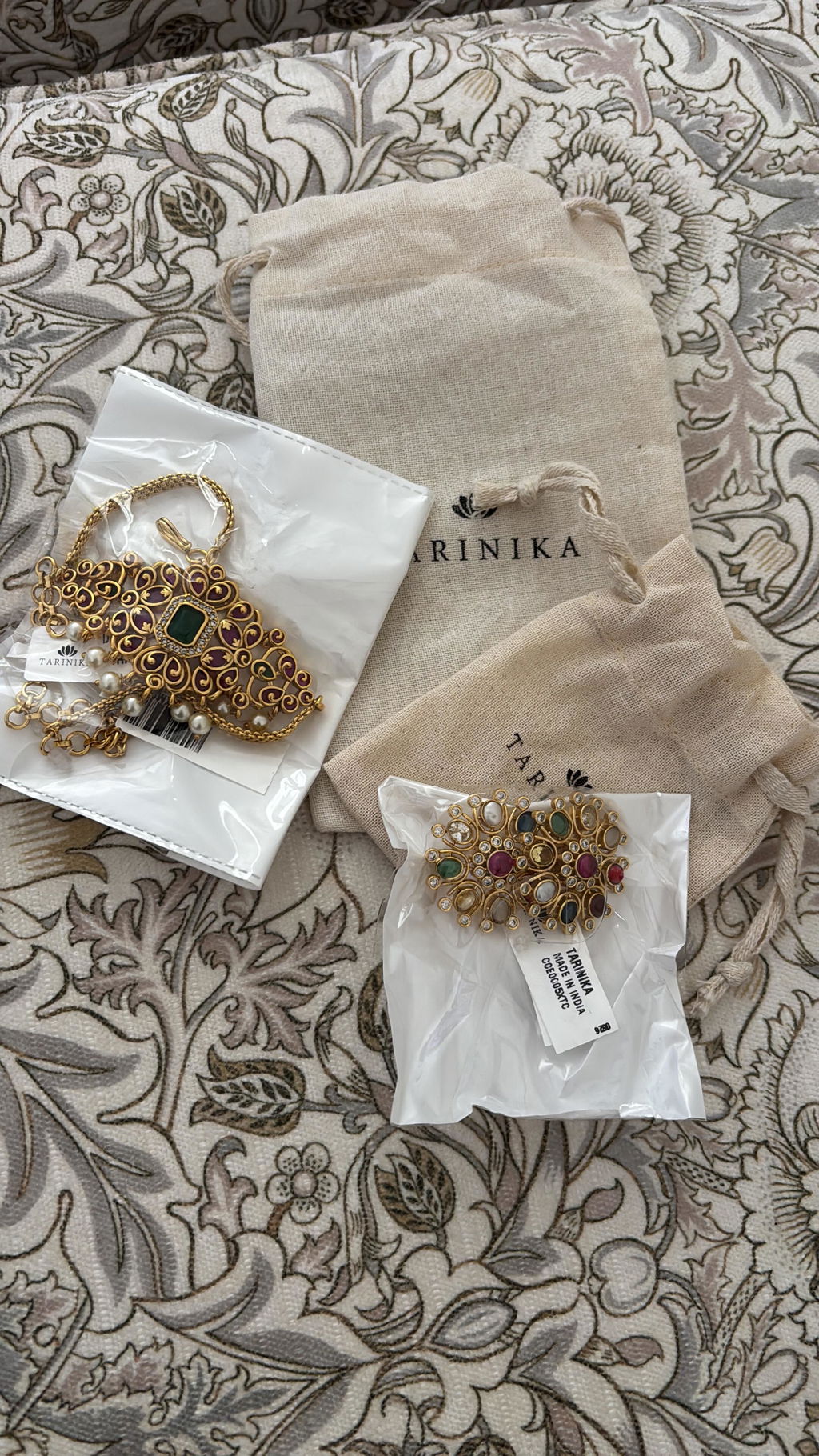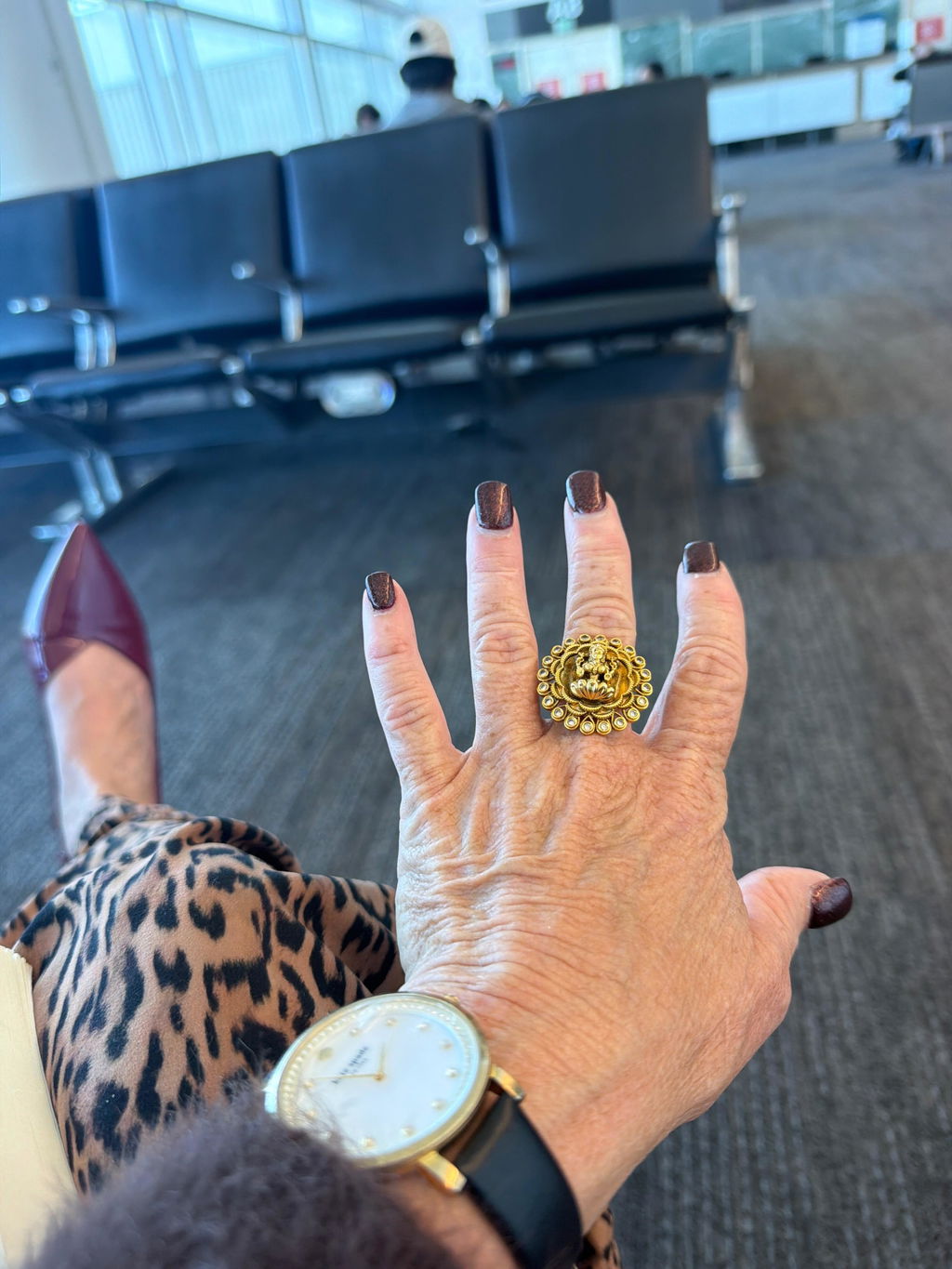

Gold-plated jewelry needs gentle cleaning because a thin layer of gold covers another metal underneath. The safest method uses lukewarm water, a few drops of mild soap, and a soft cloth. Clean away oils and dirt without rubbing hard. Regular gentle care can help gold-plated jewelry maintain its shine and extend its wearable life.
Why does gold-plated jewelry need special care?
Gold-plated jewelry does not contain a solid layer of gold throughout the piece. Manufacturers apply a thin layer of gold over another metal. The plating gives the jewelry its rich golden appearance while keeping it more affordable than solid gold.
That gold layer can wear down with frequent friction, moisture, sweat, and exposure to chemicals. GIA also notes that chemicals found in cosmetics, household cleaners, and other products can damage jewelry surfaces.
Your cleaning routine should therefore remove dirt without removing the plating.
Think of it this way:
Gentle cleaning removes buildup. Hard scrubbing removes plating.
That small difference can affect how long your favorite necklace, earrings, bangles, or rings continue to look fresh.
How often should you clean gold-plated jewelry?
You do not need to deep-clean gold-plated jewelry after every wear.
A simple routine works better:
|
How often you wear it |
Recommended care |
|
Occasionally |
Wipe with a soft cloth after wearing |
|
Several times a week |
Wipe after use and clean gently every few weeks |
|
Daily |
Wipe after every use and give it a gentle clean when you notice buildup |
|
After exposure to sweat, perfume, or cosmetics |
Wipe it as soon as possible |
Regular wiping can prevent body oils, makeup, and dust from sitting on the surface for long periods.
You should also remove gold-plated jewelry before swimming, showering, exercising, or using household cleaning products. Chemicals and moisture can shorten the life of the plating.
What do you need to clean gold-plated jewelry at home?
You only need a few basic items.
- A small bowl
- Lukewarm water
- A few drops of mild liquid soap
- A soft microfiber or lint-free cloth
- A clean, very soft brush for small crevices
- A dry, soft towel
GIA recommends gentle cleaning methods that use warm water, mild soap, and soft cleaning materials for many types of jewelry.
Avoid using an old toothbrush with stiff bristles. The bristles can create unnecessary friction against the plating.
How do you clean gold-plated jewelry step by step?
1. Prepare a gentle cleaning solution
Fill a small bowl with lukewarm water.
Add two or three drops of mild liquid soap.
Mix the water gently with your fingers.
Do not use hot water. Excessive heat can affect some gemstones and delicate jewelry materials.
2. Check the jewelry before cleaning
Look closely at the piece.
Check for:
- Loose stones
- Cracked or damaged sections
- Peeling plating
- Delicate pearls
- Porous gemstones
- Loose clasps
- Fine chains
Stop the cleaning process if you notice serious damage.
Some gemstones need special care. Pearls, turquoise, coral, and other porous or delicate materials can react poorly to chemicals and unsuitable cleaning methods.
3. Dip a soft cloth into the solution
Dip the cloth into the soapy water.
Wring it out well.
The cloth should feel damp rather than soaking wet.
This method works especially well for necklaces, earrings, bangles, and other gold-plated pieces that do not have heavy dirt buildup.
4. Wipe the jewelry gently
Use light strokes to wipe the surface.
Focus on areas that collect body oils and makeup, such as:
- Behind earrings
- Around necklace clasps
- Inside bangles
- Around pendant edges
- Between decorative details
Do not scrub the jewelry.
Gold plating can wear away from repeated friction. GIA has documented cases where gold plating rubbed off through use and exposed the underlying metal.
5. Use a soft brush for small details
Some Indian jewelry designs feature intricate patterns, textured surfaces, stones, or small decorative sections.
If dirt remains in a tiny crevice, use a very soft brush.
Move the brush gently.
Do not press the brush into the jewelry.
If the piece contains delicate or porous gemstones, skip brushing unless the manufacturer specifically recommends it.
6. Wipe away soap residue
Take another soft cloth and dampen it with clean lukewarm water.
Wipe the jewelry gently.
Do not hold delicate gold-plated jewelry under running water. Small stones or loose components can fall into the drain.
GIA recommends cleaning jewelry away from an open sink drain or protecting the drain before cleaning.
7. Dry the jewelry completely
Place the jewelry on a clean, soft towel.
Let it air-dry completely.
You can gently pat the surface with another soft cloth.
Avoid using a hair dryer or placing the jewelry near direct heat.
8. Store it properly
Store the jewelry in a soft pouch or a separate jewelry box.
Keep necklaces, earrings, bangles, and rings separated when possible.
Separate storage prevents pieces from rubbing against one another and creating scratches.
GIA recommends individual storage compartments or soft protective packaging to reduce scratches and other damage.
Can you use dish soap to clean gold-plated jewelry?
Yes, but choose a mild soap and use only a small amount.
Mix a few drops of mild liquid soap with lukewarm water. Apply the solution with a soft cloth and avoid aggressive rubbing.
Do not assume that stronger soap will clean the jewelry better.
Strong cleaners can contain chemicals that damage jewelry surfaces. GIA specifically warns against chlorine, harsh household cleaners, and abrasive products for jewelry care.
Can you clean gold-plated jewelry with toothpaste?
No.
Toothpaste can contain abrasive ingredients. These ingredients can scratch jewelry surfaces and create unnecessary friction against gold plating.
The same rule applies to baking soda, abrasive powders, and rough polishing compounds.
If the product feels gritty, skip it.
Gold-plated jewelry needs a soft touch rather than aggressive polishing.
Can you use vinegar to clean gold-plated jewelry?
It is better to avoid vinegar.
You may find home-cleaning recipes that recommend acidic solutions for jewelry, but gold-plated jewelry needs a gentler approach.
You do not need an acidic cleaner to remove normal oils and dirt. A mild soap solution can handle everyday buildup without introducing unnecessary chemicals.
Can you use baking soda on gold-plated jewelry?
No.
Baking soda can act as an abrasive when you rub it against a surface.
That rubbing can gradually affect the gold-plated layer.
You should also avoid DIY mixtures that combine baking soda with vinegar, lemon juice, salt, or other household ingredients.
Simple cleaning works better for gold-plated jewelry.
Can you use an ultrasonic cleaner on gold-plated jewelry?
You should not use an ultrasonic cleaner at home unless the jewelry maker specifically confirms that the piece can handle it.
Ultrasonic cleaners create vibrations that remove dirt from jewelry. However, GIA warns that ultrasonic cleaning can damage certain gemstones and delicate jewelry.
Gold-plated jewelry also needs extra care because the plating can wear from friction and repeated handling.
For everyday cleaning, stick with a soft cloth and mild soap.
What should you avoid when cleaning gold-plated jewelry?
A few common cleaning habits can shorten the life of gold plating.
Avoid these products and methods:
|
Avoid |
Why? |
|
Toothpaste |
Abrasive ingredients can scratch the surface |
|
Baking soda |
Can create friction against the plating |
|
Bleach |
Harsh chemicals can damage metals |
|
Chlorine |
Can damage jewelry materials |
|
Strong household cleaners |
Chemicals can affect jewelry surfaces |
|
Rough polishing cloths |
Friction can wear plating |
|
Stiff toothbrushes |
Bristles can scratch or rub the surface |
|
Steam cleaners |
Heat and steam can damage some jewelry and gemstones |
|
Ultrasonic cleaners |
Vibrations can harm some jewelry and gemstones |
|
Hot water |
Heat can affect some delicate materials |
|
Excessive soaking |
Water can affect certain stones and jewelry components |
GIA recommends caution with abrasive cleaners, chlorine, ammonia-based cleaners, steam, and ultrasonic cleaning because different jewelry materials respond differently to these methods.
How can you make gold-plated jewelry last longer?
Cleaning helps, but your daily habits matter just as much.
Put jewelry on after applying beauty products
Apply perfume, lotion, sunscreen, hairspray, and makeup before you put on your jewelry.
Give these products time to dry.
Then wear your jewelry.
Cosmetics can contain ingredients that affect jewelry surfaces over time.
Remove jewelry before showering
Water alone may not immediately ruin gold plating, but frequent exposure to water, soap, shampoo, and body products can speed up wear.
Take your jewelry off before you shower.
Remove jewelry before exercising
Sweat contains salts and other compounds that can build up on jewelry.
Your jewelry can also rub against your skin and clothing during exercise.
Keep gold-plated pieces away from workouts when possible.
Keep jewelry away from swimming pools
Remove gold-plated jewelry before entering a chlorinated pool.
Chlorine can damage jewelry metals and alloys.
Give frequently worn pieces a break
You do not need to wear the same necklace or bangle every day.
Rotate your jewelry.
A piece that gets less friction and exposure to sweat, water, and cosmetics can maintain its appearance for longer.
How long does gold-plated jewelry last?
Gold-plated jewelry can last anywhere from several months to several years, depending on the plating thickness, jewelry quality, frequency of wear, body chemistry, and exposure to moisture and chemicals.
There is no single lifespan that applies to every gold-plated piece.
A frequently worn ring may show plating wear faster because your hands experience constant friction. A pendant or occasional-wear necklace may retain its finish much longer.
As a practical guide:
|
Wearing pattern |
Possible visible plating life |
|
Occasional wear with careful storage |
2 to 5+ years |
|
Regular wear with good care |
1 to 3 years |
|
Frequent daily wear |
Around 6 months to 2 years |
|
Constant exposure to water, sweat, chemicals, and friction |
Several months to around 1 year |
These figures provide a practical range rather than a guarantee. Plating thickness and construction can change the result significantly. GIA has also documented gold plating that rubbed away from normal use, which shows why friction plays an important role in longevity. Read our guide on how to keep gold-plated jewelry from tarnishing for more tips.
Gold-plated jewelry: pros and cons
|
Pros |
Cons |
|
More affordable than solid gold |
Plating can wear over time |
|
Offers a rich gold appearance |
Water and chemicals can speed up wear |
|
Works well for occasional and festive wear |
Frequent friction can expose the base metal |
|
Comes in many designs |
Some pieces need special gemstone care |
|
Easy to maintain with gentle cleaning |
Harsh cleaning can damage the finish |
The biggest advantage comes from affordability and design variety. The biggest limitation comes from the fact that the gold layer can eventually wear down.
How do you know when gold plating needs professional attention?
Home cleaning cannot restore gold plating that has already worn away.
Look for these signs:
- The base metal appears through the gold surface.
- Certain areas look silver, copper, or darker than the rest.
- The finish looks uneven after cleaning.
- The plating shows visible scratches.
- A stone feels loose.
- A clasp no longer closes properly.
- A chain shows signs of weakening.
If the gold layer has worn away, ask a jeweler about replating instead of trying to polish the surface at home.
Polishing may remove even more of the remaining plating.
A simple gold-plated jewelry cleaning routine
You can remember the entire process with five simple steps:
Wipe → Clean → Rinse → Dry → Store
- Wipe away oils after wearing.
- Clean with lukewarm water and mild soap.
- Remove soap with a lightly damp soft cloth.
- Dry the piece completely.
- Store it separately in a soft pouch or jewelry box.
This routine takes only a few minutes and can help you avoid unnecessary wear.
FAQ: Cleaning gold-plated jewelry at home
What is the safest way to clean gold-plated jewelry?
The safest everyday method uses a soft cloth, lukewarm water, and a few drops of mild soap. Wipe gently and avoid soaking, scrubbing, abrasive products, and harsh chemicals.
How often should I clean gold-plated jewelry?
Clean it when you notice oil, dirt, or makeup buildup. Wipe the jewelry with a soft cloth after wearing it, especially if you wear the piece frequently.
Can I wash gold-plated jewelry with soap and water?
Yes. Use a small amount of mild soap with lukewarm water. Avoid strong detergents and prolonged soaking.
Can I clean gold-plated jewelry with toothpaste?
No. Toothpaste can contain abrasive ingredients that may scratch the surface and increase wear on the gold plating.
Can I use baking soda to clean gold-plated jewelry?
No. Baking soda can create friction when you rub it against the jewelry. Use mild soap and a soft cloth instead.
Can I wear gold-plated jewelry in the shower?
It is better to remove it before showering. Soap, shampoo, water, and repeated moisture exposure can contribute to faster plating wear.
Can I wear gold-plated jewelry while swimming?
No. Remove gold-plated jewelry before swimming, especially in chlorinated pools. Chlorine can damage jewelry metals and other materials.
Does gold-plated jewelry tarnish?
Gold plating itself does not behave exactly like a solid gold surface. As the plating wears, the underlying metal can become visible and may react with moisture or air. Proper care can slow this process.
How long does gold-plated jewelry last?
Gold-plated jewelry can last from several months to several years. Occasional wear and careful storage can extend its appearance, while daily friction, sweat, water, and chemicals can shorten its life.
Can I use an ultrasonic cleaner for gold-plated jewelry?
Avoid using one unless the jewelry manufacturer specifically recommends it. Ultrasonic cleaning can damage some gemstones and delicate jewelry.
How can I make gold-plated jewelry last longer?
Remove it before showering, swimming, exercising, and sleeping. Apply perfume and cosmetics before putting on jewelry. Wipe pieces after wearing them and store them separately in a dry, soft pouch or box.
Can I restore gold plating at home?
You can clean and maintain gold plating at home, but you cannot recreate worn plating with household cleaning products. A jeweler can assess the piece and recommend professional replating when necessary.
Final takeaway
Gold-plated jewelry does not need complicated cleaning products to stay beautiful. A soft cloth, lukewarm water, mild soap, and gentle handling can remove everyday dirt without putting unnecessary stress on the plating.
The bigger difference comes from what you avoid. Keep gold-plated jewelry away from chlorine, harsh cleaners, abrasive products, prolonged moisture, and unnecessary friction. Store each piece separately and give frequently worn jewelry a break.
With the right habits, your favorite gold-plated pieces can keep their warm, polished appearance for years. Still wondering if gold-plated jewelry is worth it? Find out in our next read.