



Indian jewelry has a history that spans thousands of years. The diversetypes of Indian jewelry tell tales of ancient dynasties and the meticulous craftsmanship that has been passed down through generations. Let us explore the rich heritage and discover the diverse art forms ofIndian jewelry types and the artisans behind them.
THE HERITAGE OF INDIAN JEWELRY
Different types of jewelry in Indiaflourished under different dynasties, such as the Mughals and Rajputs. Each dynasty brought its unique styles and techniques along and its influence can be seen even today. For example, during the era of the Mughals, the kind of jewelry worn by men and women was widely renowned for its intricate designs and use of precious stones while Rajput jewelry emphasized grandeur and bold designs. These dynasties not only influenced the design and style ofIndianjewelry but also the techniques and materials used.
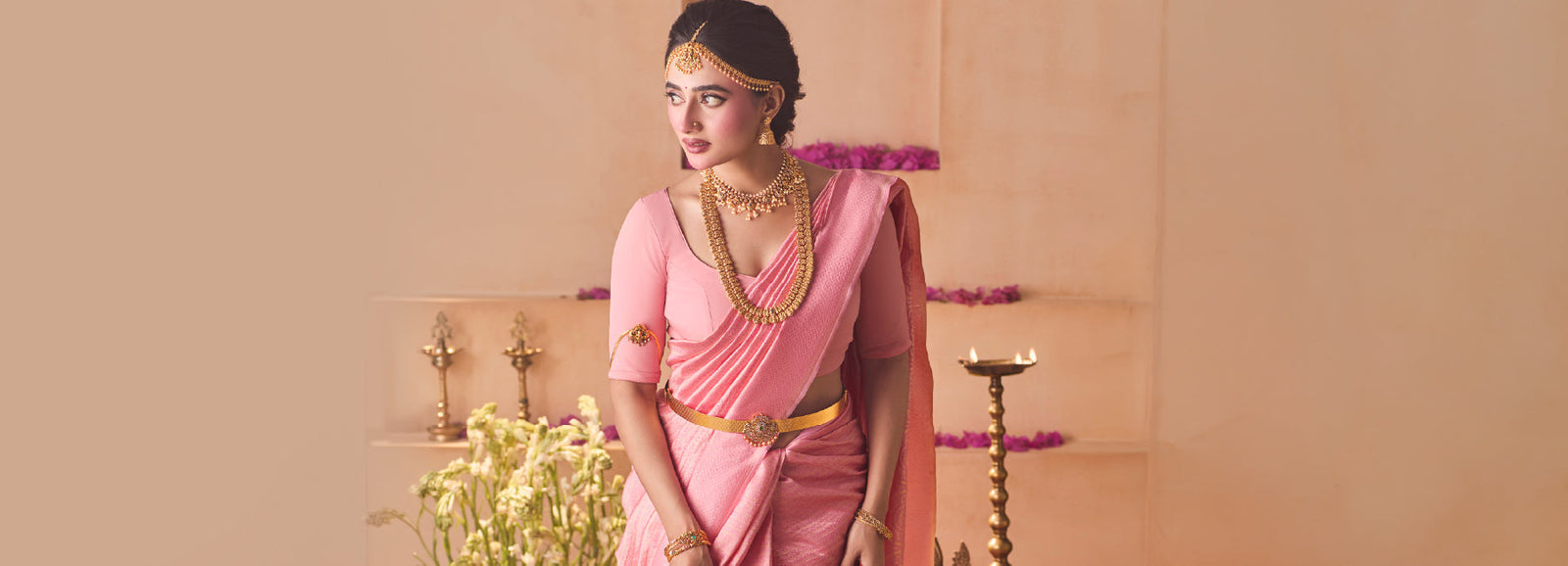
VariousIndian jewelry types have been considered auspicious since ancient times.Temple jewelry of South India was initially crafted to adorn the deities in temples and symbolized divine sanctity during the Chola dynasty. It was later used by temple dancers and devotees by replicating the designs to feel closer to the divine. Temple jewelry is now a big part of South Indian weddings, worn by brides on their big day to receive blessings from Gods and Goddesses.
Indian Traditional jewelry still plays a crucial role in various rituals and ceremonies. The religious and cultural reverence associated with traditional jewelry highlights its role in preserving the sacred and auspicious traditions of Indian heritage.
THE DIVERSE ART FORMS OF INDIAN JEWELRY CRAFTSMANSHIP
KUNDAN JEWELRY
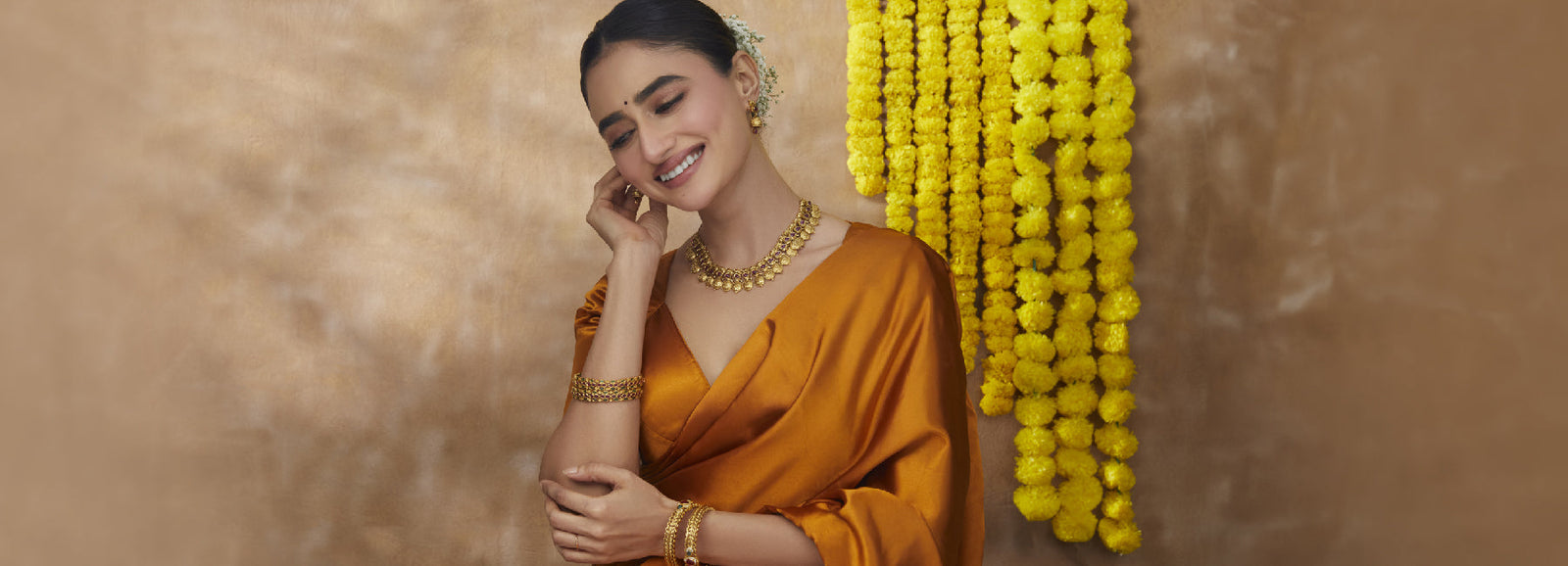
Kundan jewelry is a reflection of the luxurious tastes of the Indian royalty. It originates from the royal courts of Rajasthan and Gujarat. This art form evolved during the Mughal era and has since become synonymous with grandeur and elegance.
The making ofKundan jewelry involves shaping the base metal and careful setting of precious stones in gold foil. The fine detailing and stone setting require immense precision and skill which makes each piece a work of art. The relevance ofKundan jewelry is still evident in its widespread appeal among Indian brides and modern influencers.

Danica Statement Kundan Necklace Set
MEENAKARI JEWELRY
The beauty of Meenakari lies in its ability to transform plain metal into a canvas of colors. The Meenakari technique is also known as enamelling. It is an ancient art form that adds vibrancy to the jewelry. This technique involves application of enamel to the metal surface to create colorful designs.
You will see a lot of artisans when you visit Rajasthan crafting stunningmeenakari jewelry. The lanes of pink city Jaipur is a hub of this vibrant art form. The intricate designs and vibrant colors makeMeenakari jewelry a favorite for festive occasions.

Jalaja Statement Multi Finger Enamel Ring
POLKI JEWELRY
The classic appeal ofPolki jewelry is characterized by its use of uncut diamonds. Its timeless beauty makes it a cherished part of bridal trousseaus. The process of making your favourite Polki necklace is labour-intensive and requires great skill. Artisans precisely set the uncut diamonds in place using lac (a type of resin). The final piece is then polished to enhance its natural luster.
TEMPLE JEWELRY
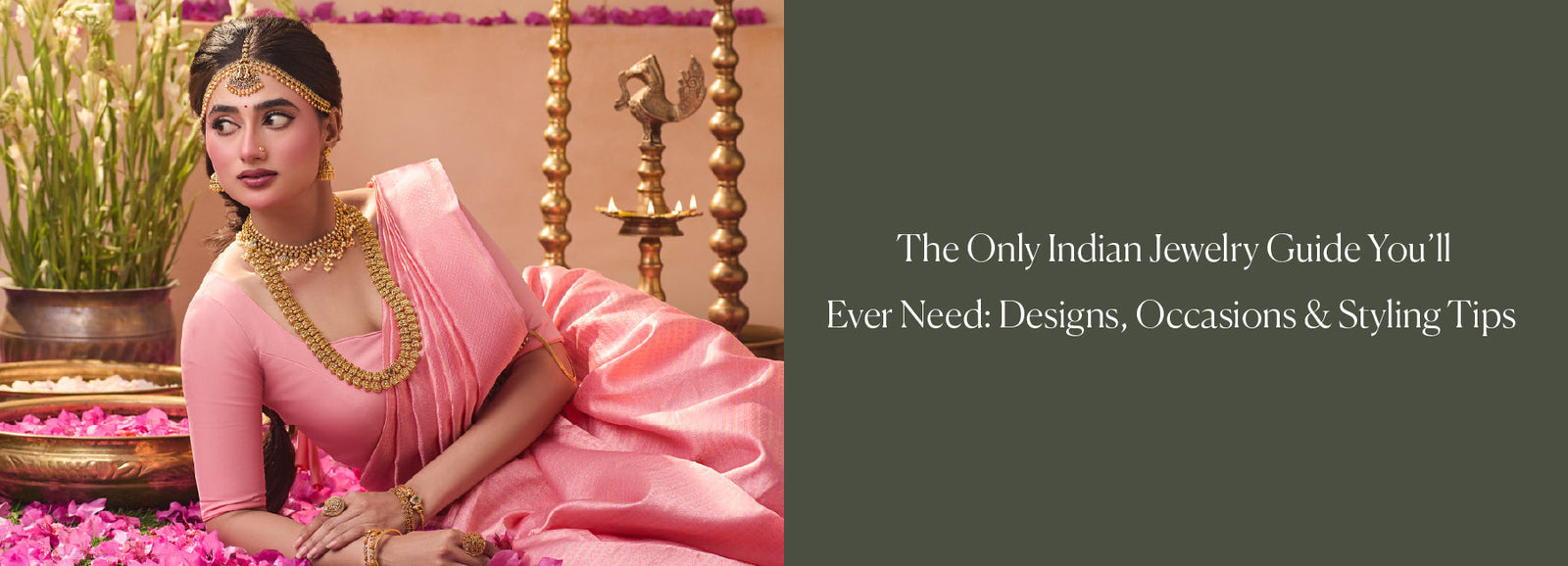
Temple jewelry has its origins in the temples of South India. ThisIndian jewelry type is inspired by the deities and the rich temple architecture. The jewelry holds immense cultural and religious significance. It is often worn during wedding ceremonies and festivals to symbolize devotion and reverence.
The detailed craftsmanship ofTemple jewelry is a marvel in itself. You will be in awe of the elaborate designs that feature carvings of gods and goddesses, peacock motifs and floral patterns set in gold and embedded with precious and semi-precious stones.

Astha Lakshmi Antique Temple Necklace Set
FILIGREE WORK JEWELRY
Filigree work is also known asTarakashi and involves creating delicate designs using fine silver or gold wires. ThisIndian jewelry type is known for being lightweight in nature and its intricate patterns. Filigree work is predominant in regions like Odisha and Andhra Pradesh. These regions are known for artisans having exceptional skill and creativity. They create Filigree jewelry designs that are both elegant and intricate.
THE ARTISANS BEHIND THE CRAFT
The creation of traditional Indian jewelry is an art that requires immense skill and dedication. Artisans spend years honing their craft and mastering the techniques involved. The knowledge and skills of jewelry making are passed down from one generation to the next. This generational craftsmanship ensures that traditional techniques and styles are preserved and continue to thrive.
We atTarinika are dedicated to preserving and reviving the exquisite craftsmanship of traditionalIndian jewelry types by actively supporting local artisans and their time-honoured techniques. Our designers collaborate with local artisans to incorporate traditional techniques into contemporary jewelry designs, bringing these ancient art forms to the global stage. This fusion of traditional and modern styles helps in keeping the legacy of Indian jewelry craftsmanship alive.
FAQs
What are the most popular traditional Indian jewelry types?
The most popular traditional Indian jewelry types include Kundan jewelry, Temple jewelry, Meenakari jewelry, Polki jewelry, Filigree jewelry, Jadau jewelry, and antique South Indian jewelry. These styles are known for their rich craftsmanship, cultural symbolism, and bridal appeal
What are the three main types of jewelry?
Jewelry can broadly be divided into three major types:
> Fashion Jewelry: It is referred to as costume jewelry. It is made from less expensive metals and semi-precious stones. Fashion jewelry reflects the current fashion trends and is affordable.
> Fine Jewelry: This type of jewelry is crafted from precious metals like gold, silver, and platinum. It is often embellished with precious gemstones such as diamonds, rubies and sapphires. Fine jewelry is known for its durability and timeless appeal.
> Handmade Jewelry: It is crafted by artisans using traditional techniques. It can be made from a variety of materials like metals, beads, and natural stones. This type of jewelry is unique and often carries a personal or cultural significance.
How can you identify real Indian jewelry?
> Genuine gold jewelry will have a hallmark that certifies its purity. Look for marks such as BIS (Bureau of Indian Standards) or other recognized hallmarking authorities.
> Authenticdifferent types of jewelry in India will exhibit high levels of craftsmanship with intricate details and flawless finishes. Handmade pieces will have slight variations that add to their uniqueness.
> Buy from well-known and reputable jewellers online or offline who have a history of selling authentic Indian jewelry. They are more likely to provide genuine pieces and reliable certification.
> Look for a certificate of authenticity from a reputable jeweller when purchasing expensive jewelry.
.What is the difference between Kundan and Polki jewelry?
Kundan jewelry uses highly refined gold foil to set gemstones, while Polki jewelry features uncut natural diamonds set in traditional designs. Kundan jewelry is known for intricate craftsmanship and colorful detailing, whereas Polki jewelry is admired for its raw, regal appearance.
Why is Temple jewelry important in Indian culture?
Temple jewelry originated in South Indian temples and was initially created to adorn deities. Over time, it became an essential part of bridal wear, classical dance costumes, and festive jewelry traditions, symbolizing devotion, prosperity, and blessings.
What makes Meenakari jewelry unique?
Meenakari jewelry is unique because of its colorful enamel work created on gold or silver surfaces. This traditional Rajasthani art form combines vibrant colors, floral motifs, and detailed craftsmanship to create festive and statement jewelry pieces.
Which Indian jewelry type is best for weddings?
Temple jewelry, Kundan jewelry, Polki jewelry, and antique bridal jewelry are among the most popular choices for Indian weddings because of their grand appearance, traditional craftsmanship, and cultural significance.
What is Filigree jewelry?
Filigree jewelry, also called Tarakashi, is a delicate jewelry-making technique that uses fine silver or gold wires to create intricate lace-like patterns. It is especially popular in Odisha and Andhra Pradesh.
How is traditional Indian jewelry made?
Traditional Indian jewelry is handcrafted using techniques such as stone setting, enamelling, carving, embossing, and wirework. Skilled artisans spend years mastering these techniques, which are often passed down through generations.
Why is handcrafted Indian jewelry valuable?
Handcrafted Indian jewelry is valuable because it reflects detailed artistry, cultural heritage, and traditional craftsmanship. Each handmade piece carries uniqueness and often requires hours or even days of skilled labor.
What is the significance of motifs in Indian jewelry?
Traditional Indian jewelry motifs like peacocks, lotus flowers, elephants, and Lakshmi designs symbolize prosperity, beauty, spirituality, protection, and auspiciousness.
Which states in India are famous for traditional jewelry craftsmanship?
Rajasthan is famous for Kundan and Meenakari jewelry, Tamil Nadu for Temple jewelry, Odisha for Filigree jewelry, and Gujarat for traditional silver and Kundan craftsmanship.
Is traditional Indian jewelry still in fashion?
Yes. Traditional Indian jewelry remains highly popular in modern fashion, especially for weddings, festivals, and Indo-western styling. Contemporary designers often blend heritage craftsmanship with modern silhouettes.
What metals are commonly used in traditional Indian jewelry?
Gold, silver, copper alloys, and gold-plated metals are commonly used in traditional Indian jewelry. Many pieces are also adorned with pearls, gemstones, uncut diamonds, and enamel detailing.
How can you identify authentic Indian jewelry?
Authentic Indian jewelry typically features detailed craftsmanship, hallmark certification for precious metals, traditional stone-setting techniques, and high-quality finishing. Purchasing from trusted jewelry brands also helps ensure authenticity.
Why is Kundan jewelry popular among brides?
Kundan jewelry is popular among brides because of its royal aesthetic, intricate craftsmanship, and ability to complement traditional bridal outfits like lehengas and silk sarees.
What is the difference between antique jewelry and Temple jewelry?
Temple jewelry is inspired by temple art and deity motifs, while antique jewelry refers to jewelry designed with vintage-inspired finishes and heritage aesthetics. Temple jewelry can also feature antique finishes.
Can traditional Indian jewelry be styled with modern outfits?
Yes. Traditional Indian jewelry can be styled beautifully with modern outfits. Statement chokers, jhumkas, enamel rings, and layered necklaces pair well with Indo-western dresses, fusion wear, and even minimalist contemporary fashion.
What is Jadau jewelry?
Jadau jewelry is a traditional jewelry-making technique where uncut stones, pearls, and gemstones are embedded into gold without adhesives. It is closely associated with Mughal-era craftsmanship.
Which jewelry style is best for festive occasions?
Meenakari jewelry, Temple jewelry, and Kundan jewelry are excellent choices for festive occasions because of their vibrant colors, intricate detailing, and traditional appeal.
Why does Indian jewelry have cultural significance?
Indian jewelry represents more than beauty—it symbolizes heritage, spirituality, family traditions, marital status, prosperity, and regional identity across generations.
Where can you buy traditional Indian jewelry online?
You can explore handcrafted traditional Indian jewelry collections including Temple jewelry, Kundan sets, Polki necklaces, antique jewelry, and festive designs at Tarinika.