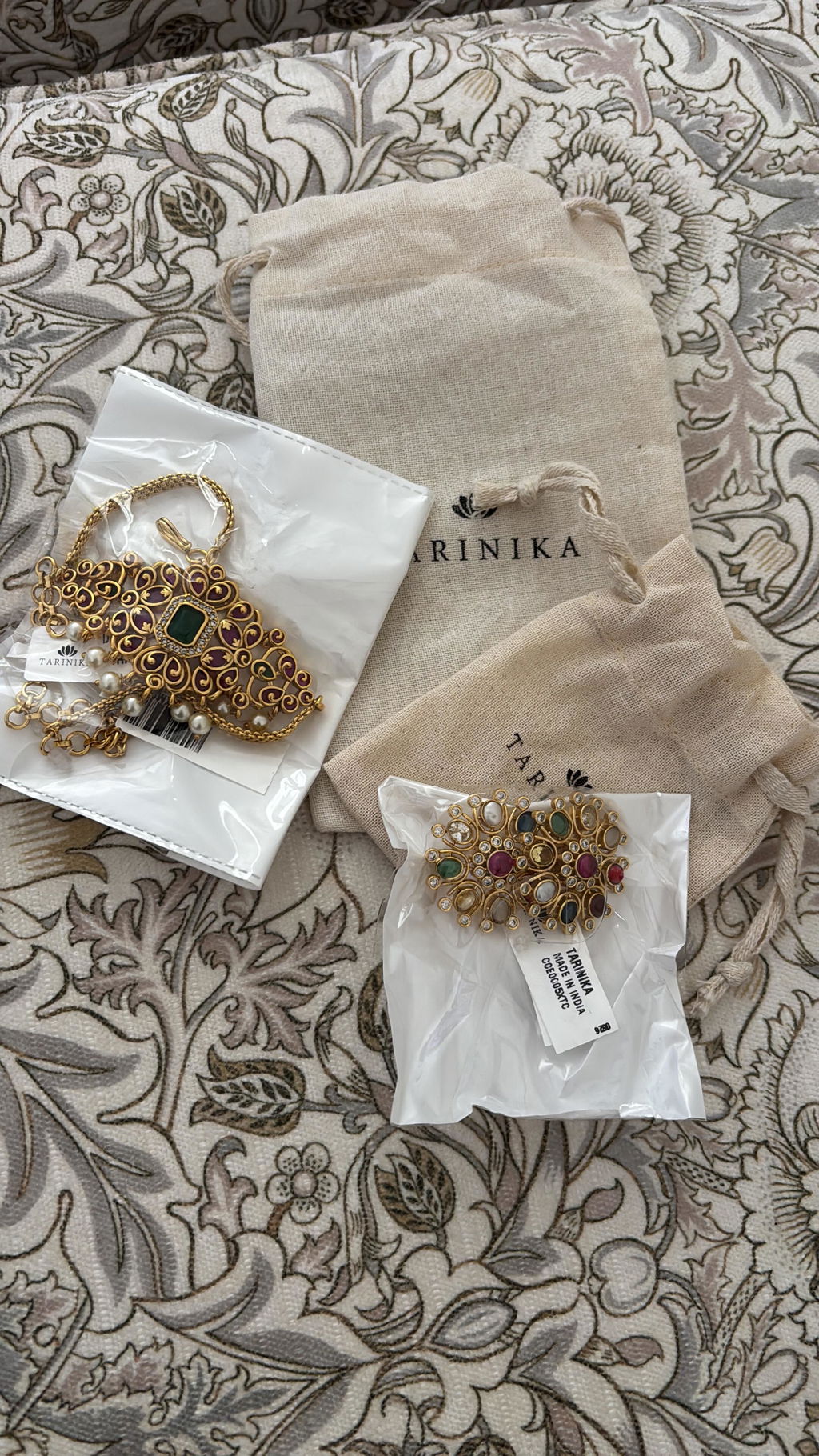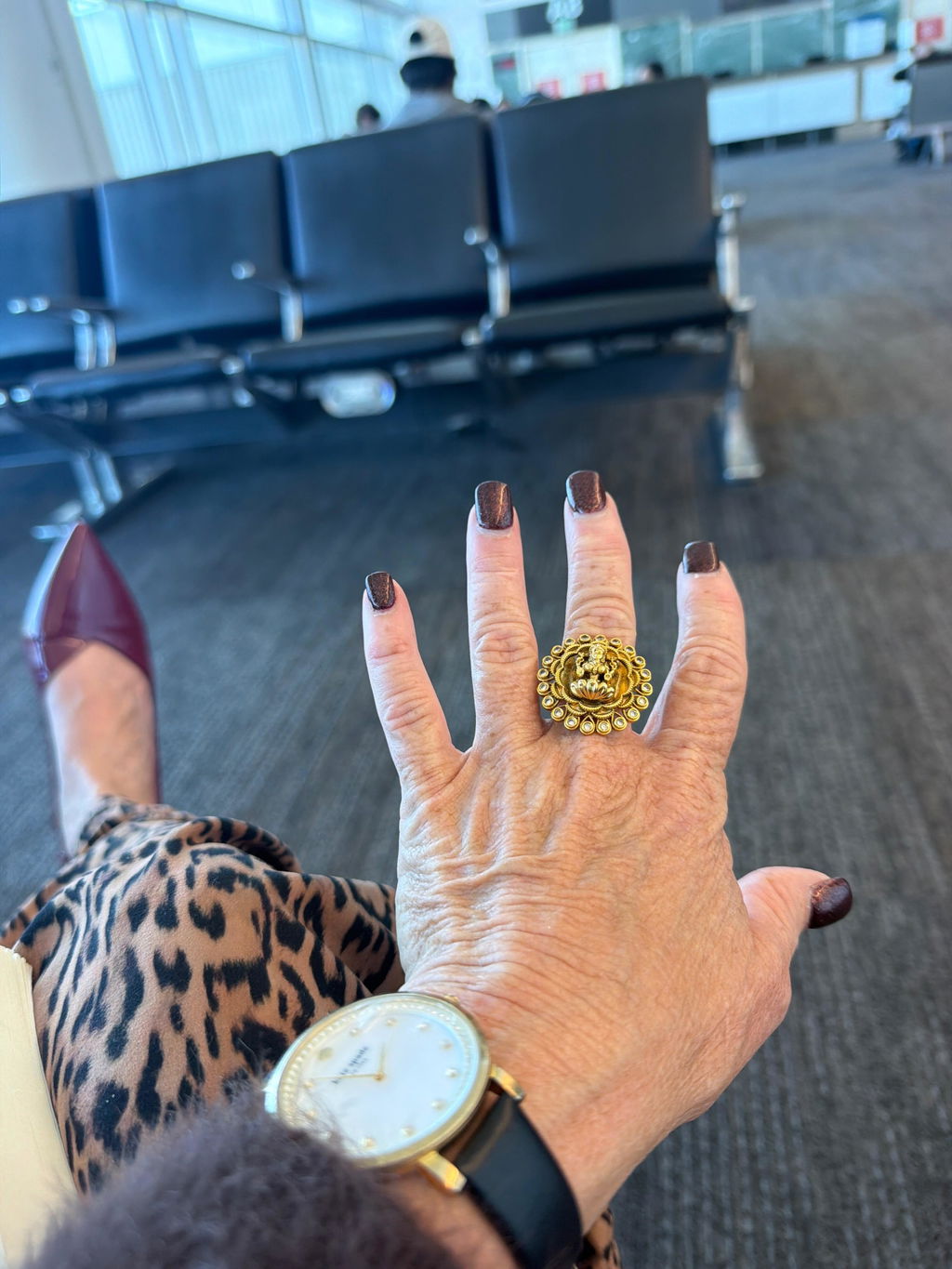

What is the best jewelry to wear on Diwali? Essentially, the jewelry that you wear on Diwali will depend on the outfit that you wear, your style and the occasion itself. For example, you can wear temple jewelry with traditional sarees, jhumkas for an elegant festive look and layered necklaces with Lehengas and shararas.
Jewelry completes that festive mood. The occasion of Diwali brings out all the special outfits that are kept in the wardrobe for this time of the year. The silk sarees come out, the lehengas get worn again, and even a simple kurta can look beautiful with the right type of jewelry like earrings or a long necklace.
But more jewelry does not always create a better look. The right pieces should work with your outfit rather than compete with it. Your neckline, fabric, hairstyle, and the type of celebration should all guide your choices.
Planning your Diwali wardrobe will be a cakewalk with this complete style guide. We will help you choose that feels festive, elegant, and easy to wear.
How do you choose jewelry for Diwali?
First think about your outfit, your neckline and the occasion for which you are dressing. Pick one main jewelry piece and work the rest of your look around it.
For example, a heavy embroidered lehenga can carry a statement necklace and earrings. A silk saree may need only a pair of temple jhumkas and bangles.
Remember to select jewelry which will add extra detail to your overall look rather than becoming too over powering to the outfit.
Here is a simple way to decide:
|
Outfit |
Jewelry that works well |
|
Silk saree |
|
|
Banarasi saree |
|
|
Lehenga |
|
|
Sharara |
|
|
Anarkali |
|
|
Simple kurta set |
|
|
Contemporary Indo-western outfit |
The occasion also matters. You can go heavier for a Diwali puja or family gathering. You may prefer lighter pieces for card parties, dinners, or casual celebrations.
What are the best types of Indian jewelry for Diwali?
Indian jewelry offers countless choices when it comes to incorporating festive elements into your wardrobe. You do not need to follow one style from head to toe.
1. Temple jewelry for a traditional Diwali look
Temple jewelry brings a classic South Indian influence to festive dressing. Traditional motifs often feature Lakshmi, Ganesha, peacocks, flowers, and other heritage-inspired details.
Temple necklaces pair beautifully with silk sarees and traditional blouses. Temple jhumkas can also work with simpler outfits when you want the earrings to become the focal point.
Best for: Silk sarees, Kanjeevaram sarees, traditional lehengas, festive pujas.
Styling tip: Let the necklace take center stage. Keep the earrings and bangles simpler if the necklace has detailed motifs.

2. Jhumkas for an easy festive upgrade
Jhumkas remain one of the easiest ways to make an outfit feel festive.
A pair of antique jhumkasv can transform a simple kurta. Larger jhumkas can complement a saree or lehenga without requiring a necklace.
Choose smaller jhumkas for daytime celebrations. Save larger, more detailed styles for evening events.
Best for: Sarees, kurtas, anarkalis, shararas, and lehengas.

3. Kundan jewelry for a royal festive look
Kundan jewelry works well when you want a richer and more traditional appearance. Its detailed setting and bright stones complement festive fabrics such as silk, brocade, velvet, and embellished georgette.
A Kundan choker can work especially well with a deep or open neckline. You can pair it with matching earrings or skip the necklace and let the earrings carry the look.
Best for: Lehengas, silk sarees, Farshi salwar suit, evening celebrations.

4. Chandbali earrings for a statement look
Chandbalis have a distinctive crescent shape that makes them easy to recognize. They also work with both traditional and modern Indian outfits.
You can wear large chandbalis with a saree and skip the necklace. This creates a cleaner look while keeping the jewelry festive.
Best for: Sarees, anarkalis, Angrakha style suit set, lehengas, and Indo-western outfits.

5. Choker necklaces for lehengas and sarees
A choker necklace sits close to the neck, which makes it a natural choice for outfits with open or structured necklines.
Pair a choker with a longer necklace if your outfit has a simple neckline and you want a layered look. Otherwise, wear the choker alone and let it remain the focal point.
Best for: Lehengas, sarees, festive gowns, and blouse-heavy outfits.

6. Long necklaces for a graceful layered look
Long necklaces add length to your overall appearance. They work particularly well with sarees and lehengas that have simpler necklines.
You can layer a short necklace with a long necklace for a more traditional appearance. Keep the earrings smaller when you create multiple necklace layers.
Best for: Sarees, long kurtas, Anarkalis, and lehengas.

What jewelry should you wear for Diwali puja?
Diwali puja calls for jewelry that feels festive but remains comfortable enough for sitting, moving, and participating in rituals.
A pair of traditional earrings, a delicate necklace, bangles, and a ring can create a balanced puja look.
If you wear a saree, consider temple jewelry or traditional gold-toned pieces. If you choose a simple kurta or suit, statement earrings can add enough festive detail without requiring several accessories.
Avoid very heavy necklaces if you expect to sit for a long time.
Comfort matters just as much as appearance.
What jewelry should you wear for a Diwali party?
A Diwali party gives you more room to experiment.
You can choose statement chandbalis, a layered necklace, a bold choker, or oversized jhumkas.
If your outfit already has heavy embroidery, choose one statement jewelry piece. For example, pair a heavily embellished lehenga with statement earrings instead of adding a large necklace, maang tikka, and multiple bangles.
For a simple outfit, you can increase the jewelry.
A plain silk saree with a striking Kundan necklace can look more intentional than a heavily accessorized outfit.
Should you wear a necklace or statement earrings?
Choose based on your neckline and outfit details.
|
If your outfit has... |
Choose... |
|
Deep neckline |
|
|
High neckline |
|
|
Heavy embroidery around the neck |
|
|
Simple blouse |
|
|
Detailed dupatta |
|
|
Open hair |
Larger earrings can work well |
|
Sleek bun |
When in doubt, choose one focal point.
Your face becomes the natural focal point when you wear statement earrings. Your neckline becomes the focal point when you wear a statement necklace.
How can you layer jewelry without looking overdone?
Layering works best when you create a clear hierarchy.
Start with your main piece. Then add one or two supporting pieces.
For example:
Look 1: Choker + long necklace + small earrings
Look 2: Long necklace + jhumkas + bangles
Look 3: Statement chandbalis + CZ bangles + ring
Look 4: Temple necklace + matching earrings + Maang Tikka
Avoid adding several pieces that demand attention at the same time.
A simple rule can help: if your necklace has a lot of detail, choose quieter earrings. If your earrings are large, keep your necklace simple.
How should you care for your Diwali jewelry?
Good storage matters, especially if you plan to wear your jewelry again next year.
Follow these simple steps:
- Wipe each piece with a soft, dry cloth after wearing it.
- Store necklaces separately to prevent tangling.
- Keep earrings and small pieces inside individual pouches or compartments.
- Avoid direct contact with perfume, hairspray, lotion, and makeup.
- Keep jewelry away from moisture and humidity.
- Store pieces in a cool, dry place.
- Avoid stacking pieces that can scratch one another.
- Check clasps and stones before storing valuable or detailed pieces.
Do not use harsh household cleaners on fashion jewelry. Some cleaning products can damage plating, stones, or decorative finishes.
Can you wear the same Diwali jewelry every year?
Absolutely.
A versatile jewelry collection should work across several festive occasions. Jhumkas, chandbalis, temple necklaces, bangles, and classic chokers can work with different outfits each year.
You can also change the styling.
Wear a temple necklace with a silk saree one year. Pair it with a plain kurta set the next year. Style the same earrings with a lehenga for a third look.
Repeating jewelry does not make an outfit less special. Good jewelry should become part of your festive wardrobe rather than a one-time purchase.
Diwali jewelry checklist
Before you finalize your jewelry, check these five things:
1. Does it suit the neckline?
Your necklace should sit naturally around the neckline.
2. Does it balance the outfit?
Heavy outfits usually need fewer statement pieces.
3. Can you wear it comfortably?
You may wear your Diwali jewelry for several hours, so weight matters.
4. Does it match the occasion?
Choose lighter jewelry for casual gatherings and more detailed pieces for formal celebrations.
5. Can you style it again?
Versatile jewelry gives you more opportunities to wear it throughout the year.
Find your Diwali jewelry style
Diwali jewelry should make you feel dressed for the occasion without making you uncomfortable. Start with your outfit, identify one focal piece, and build the rest of your jewelry around it.
If your outfit carries heavy embroidery, let the jewelry breathe. If your outfit looks simple, use statement earrings or a necklace to add interest.
Most importantly, choose pieces that you will want to wear again.
From traditional temple-inspired designs to Kundan necklaces, festive jhumkas, chandbalis, and contemporary statement pieces, the right jewelry can turn a familiar outfit into a completely new Diwali look.
Explore festive Indian jewelry at Tarinika and find pieces that bring together traditional craftsmanship and modern styling for Diwali 2026.
Frequently asked questions
What jewelry is best for Diwali?
Temple jewelry, jhumkas, Kundan jewelry, chandbalis, chokers, and layered necklaces all work well for Diwali. Choose based on your outfit, neckline, celebration, and personal style.
Which jewelry looks best with a saree for Diwali?
Temple jewelry, jhumkas, Kundan necklaces, chandbalis, and long necklaces pair well with sarees. Choose one main piece based on the saree's fabric and embroidery.
Can I wear Kundan jewelry for Diwali?
Yes. Kundan jewelry works especially well with silk sarees, lehengas, shararas, and other richly detailed festive outfits.
Are jhumkas suitable for Diwali parties?
Yes. Jhumkas work for both traditional and modern Diwali outfits. Choose larger styles for evening parties and smaller designs for daytime celebrations.
What jewelry should I wear for Diwali puja?
Choose comfortable traditional jewelry such as jhumkas, a simple necklace, bangles, or temple-inspired pieces. Avoid jewelry that feels too heavy if you expect to sit through a long puja.
Should I wear a necklace with statement earrings?
You can, but you do not need to. If your earrings have a large or detailed design, choose a delicate necklace or skip the necklace completely.
How can I make fashion jewelry last longer?
Keep fashion jewelry away from water, sweat, perfume, lotions, and humidity. Wipe each piece after wearing it and store it separately in a dry place.
How long does gold-plated jewelry last?
Gold-plated jewelry can last around one to three years with regular use and careful storage. Frequent exposure to moisture, sweat, cosmetics, and friction can reduce its lifespan.
Can I wear the same jewelry with different Diwali outfits?
Yes. Versatile pieces such as jhumkas, chandbalis, bangles, and classic necklaces can work across sarees, lehengas, kurtas, and shararas.
What jewelry should I buy for Diwali if I want to wear it beyond the festival?
Choose versatile pieces that work with both traditional and contemporary outfits. Classic jhumkas, chandbalis, temple-inspired earrings, simple chokers, and elegant bangles can work well beyond Diwali.